What specific measures do you take to ensure humans retain agency and oversight when integrating advanced AI systems?
Most answers emphasize keeping humans in the loop, setting clear boundaries, and building oversight mechanisms, though approaches range from technical guardrails to transparency and preserving human judgment.
10 answers
Answers
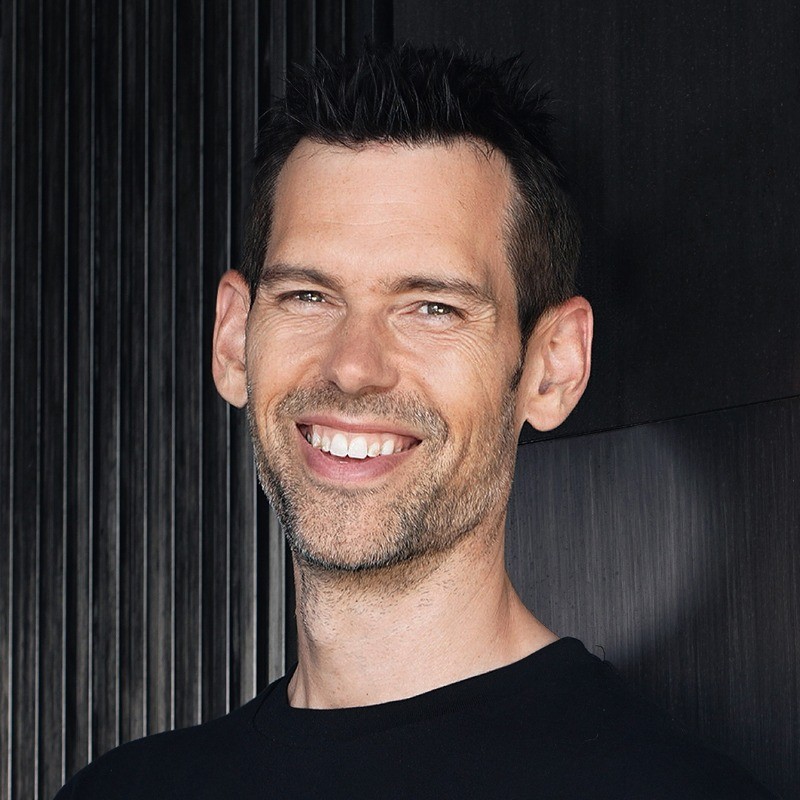

Tom Bilyeu
CEO · Impact Theory
Adversarial AI oversight
Tom Bilyeu says the measure is adversarial AI oversight: using one AI to watch and police another, limiting permissions and flagging humans, because trusting AI to do good risks AIs colluding.
Tom Bilyeu's Impact Theory · Tom Bilyeu's Impact Theory · Listen at 24:30

Maik Taro Wehmeyer
Co-Founder & CEO · Taktile
Keep human in the loop
Maik Taro Wehmeyer says you should always keep the possibility of a human in the loop, because the reason differs by use case: costly mistakes like a loan default, or regulators wanting a human on AML.
Fintech Leaders · Fintech Leaders · Read

Reid Hoffman
Co-Founder, Executive Board Chair · Manas Ai
Learn their limits
Reid Hoffman says to learn the limits of these quasi-human AI tools and figure out where they fit constructively, because they lack shared contextual awareness and may not know what good enough looks like.
Reid Hoffman · Watch on YouTube
David Vellante
Co-founder, co-CEO SiliconANGLE, theCUBE, theCUBE Research (formerly Wikibon) · Siliconangle & Thecube
Specify human-in-the-loop decisions
David Vellante says to specify which decisions still require human in the loop and human approval, as part of determining accountability before delegating authority.
SiliconANGLE theCUBE · Watch on YouTube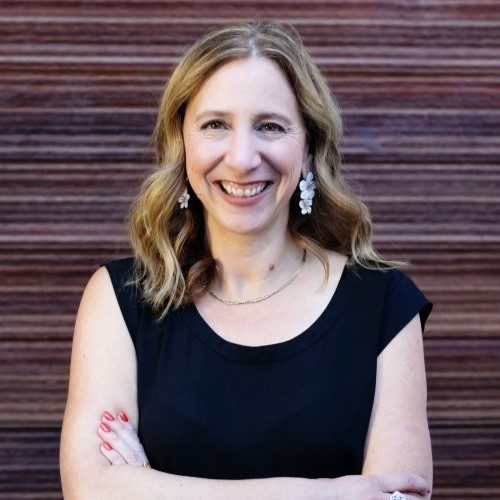

Paula Goldman
Chief Ethical and Humane Use Officer & EVP, Product · Salesforce
Controls and escalation
Paula Goldman says to build controls for oversight and quality assurance, escalate anomalies to people, and decide upfront where human judgment should be preserved, such as for complex legal or emotional customer calls.
The answer starts at 5:12.
Thinkers & Ideas · Listen on Apple Podcasts

Akhil Verghese
Chief Executive Officer · Krazimo
Multiple guardrails and human oversight
Akhil Verghese says they try to set up multiple guardrails and safety mechanisms, with a human overseer as the ultimate guardrail, to prevent trusting AI systems too much.
Social 333 Podcast · Social 333 Podcast · Listen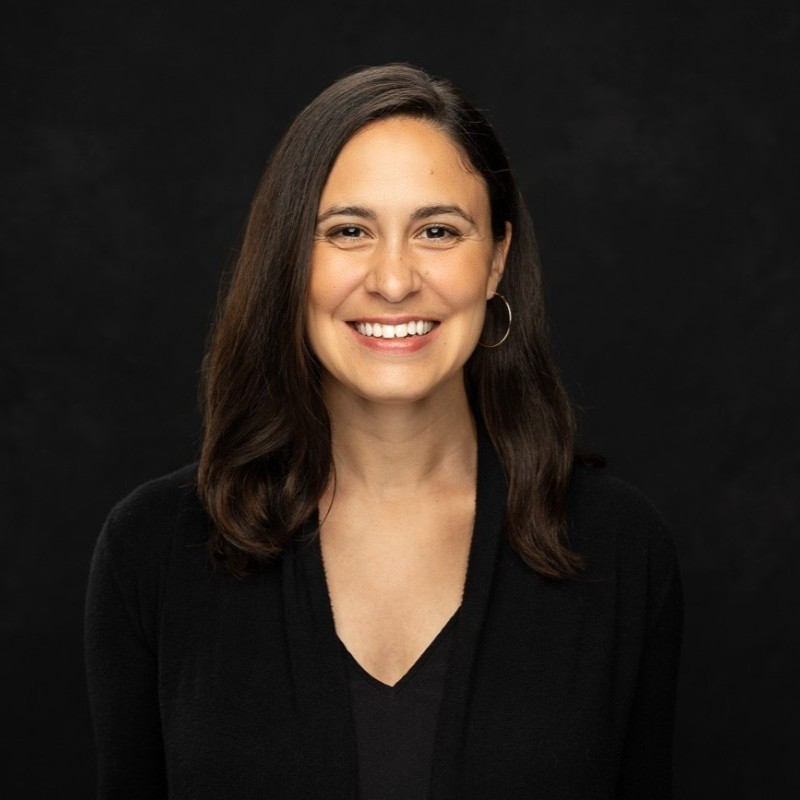

Julia Barham
Business Leader | CX Acquisition · Progressive Insurance
Maintain own point of view
Julia Barham says a product manager's most important asset is their own point of view, which AI should assist but not replace, since you can't farm out having a point of view and shouldn't be caught without an informed answer.
Mind the Product · Watch on YouTube

Rob Allen
Chief Product Officer · Threatlocker
Limit AI to specific folder
Rob Allen says he used CrowdLocker to limit Claude to a folder called 'Claude,' so it can only access files moved there; he thinks that's sensible to let people explore AI without exposing sensitive documents.
Security Weekly - A CRA Resource · Watch on YouTube

Sam Altman
Chief Executive Officer · OpenAI
Put power in people's hands
Sam Altman argues that in deploying AI, the power should be put in people's hands rather than used to impose a worldview from a lab, because society and the models will co-evolve and must be done together.
David Senra · David Senra · Listen at 37:46

R "Ray" Wang
Principal Analyst, Founder & Chairman · Constellation Research, Inc.
Transparency
Ray Wang says his firm insists on transparency, telling clients where AI is used and not and encouraging them to be transparent about AI-generated content. He ties this to keeping the cool solution from taking over.
DisrupTV · DisrupTV · Listen at 13:49