What is one specific way you have adapted blockchain infrastructure to support AI-driven applications or payments, and why?
Most answers focus on adapting wallets, tokens, or blockchain standards to enable AI agents to transact or control funds, while a few address provenance, user isolation, or bridging with traditional finance.
10 answers
Answers


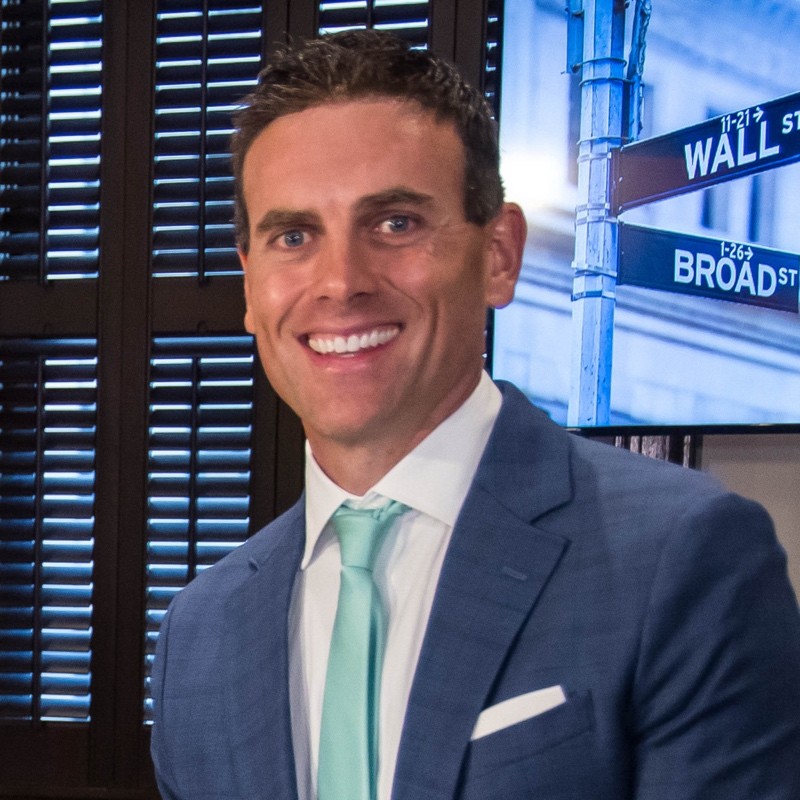
Michael B. Tannenbaum
Chief Executive Officer · Figure
Use coins to settle loans
Michael B. Tannenbaum says his firm uses coins to settle loans, which he says saves time and money.
The answer starts at 17:39.
The Pomp Podcast · Listen on Apple Podcasts

Hahnbee Lee
Co-Founder · Mintlify
Use crypto wallets
Hahnbee Lee says a crypto wallet is a nice way to provably give an AI access to and ownership over money, since you simply can't give an AI access to a bank account.
AI Engineer · Watch on YouTube

Edward Woodford
CEO & Founder · Zerohash
MPC‑based spend limits
Edward Woodford says MPC technology lets controls be cryptographically embedded in an agent's wallet, such as capping spending at $50, because control over AI agents and humanoids is a major concern.
Thinking Crypto · Watch on YouTube

Jeremy Allaire
Co-Founder, Chairman and CEO · Circle
X402 standard
Jeremy Allaire says his team has been pushing standards like X402 so an agent that needs to consume another service can use a wallet and make payments, and he says agent-to-agent transactions will need this kind of infrastructure.
The answer starts at 46:21.
The Information's TITV · Listen on Apple PodcastsChris Kelly
Founder · Kelly Ventures
Trace AI provenance on blockchain
Chris Kelly says blockchains are an easy way to trace AI-generated content back to whether it came from a human, AI, or an agent, which is why he sees them as a way to check AI provenance.
The answer starts at 23:58.
The Pomp Podcast · Listen on Apple Podcasts
Daniel Ishag
Chief Commercial Officer · Bakkt
Owning Digital Asset Rails
Daniel Ishag says his company acquired DTR to own digital asset rails, which let it bridge traditional finance and agentic payments, since legacy banking infrastructure can't support programmable money for agents.
The answer starts at 12:14.
The Digital Executive · Listen on Apple Podcasts

Alexander Hoeptner
CEO · AllUnity
X402‑based facilitator
Alexander Hoeptner says his company built an X402-based facilitator that lets agents with money access eligible content folders or drives, and has secured its first clients for implementing it.
The answer starts at 48:36.
RULEMATCH Spot On · Listen on Apple Podcasts
John Gillen
Relationship Manager & Strategic Advisor · Initiative Equity Partners
Agent SDK via Wallet Connect
John Gillen says Wallet Connect has developed an agent SDK so an agent can use your wallet on your behalf, letting it buy things and act on chain.
Milk Road · Watch on YouTube

Tarun Chitra
Founder, CEO · Gauntlet
Stake token for discounts
Tarun Chitra suggests staking a token could earn a discount or zero data retention from an inference provider, describing it as a way to offer different levels of service quality tied to the token.
Unchained · Unchained · Listen at 31:31

Illia Polosukhin
Co-Founder · Near Protocol
Multi‑tenant agent system
Polosukhin says his team launched a 1.0 multi-tenant agent system that isolates each user.
Bankless · Bankless · Listen at 34:40
More Blockchain Infrastructure & Protocols questions
View all →- What regulatory practice best encourages institutional adoption?9 answers
- What drives institutional adoption of public blockchains for assets?19 answers
- How are you preparing for quantum threats to blockchain cryptography?8 answers
- What factors matter most for a successful blockchain ecosystem?6 answers
- What is blockchain's most valuable benefit in your markets?23 answers