How should leaders balance optimism about AI's potential with concerns about its risks and societal impact?
Most answers urge balancing optimism with practical safeguards, resource allocation, and focus on societal benefit, though views split on whether to slow AI development or accept some risks for progress.
11 answers
Answers
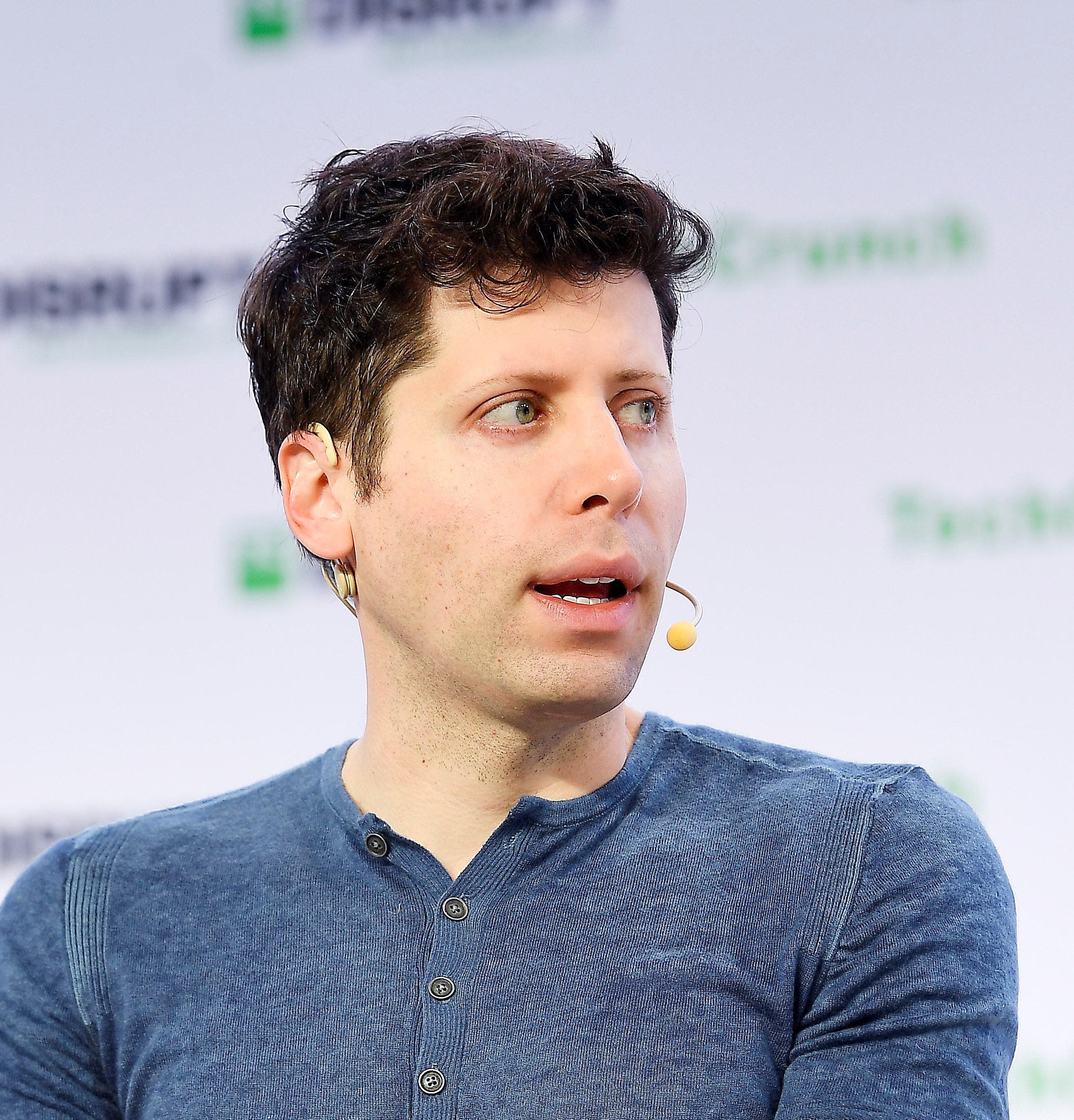

Sam Altman
Chief Executive Officer · OpenAI
Accept some risks for greater good
Sam Altman says the world should accept some bad things for the benefits of this technology, and that he wouldn't trade away major hacks, misuse, or scams because people will do far more good than bad.
Daily Tech News Show · Watch on YouTube

Tom Bilyeu
CEO · Impact Theory
Push positively, ensure safety
Tom Bilyeu says he will get involved and try to push AI in a good direction, since stopping it isn't an option, and that we need to ensure it maximizes truthfulness and curiosity, not drives it insane.
Tom Bilyeu · Watch on YouTube

Ethan Mollick
Associate Professor · The Wharton School
Use AI to augment, not replace labor
Ethan Mollick says leaders should decide to augment rather than replace labor, arguing replacement is tempting but dangerous to society and companies, since replacing marketers with AI left firms sounding identical and hurt them.
The Prof G Pod – Scott Galloway · Watch on YouTube
Emmanuel Ameisen
Research · Anthropic
Allocate resources between benefits and risks
Emmanuel Ameisen says the response is to adapt and shift resources back and forth between AI's benefits and risks as it progresses, because the technology has both benefits and risks.
Lenny's Podcast · Watch on YouTube
Clark Barrett
Corbel Professor (Research) · Stanford University
Invest in safety research, avoid over‑emphasizing worst‑case outcomes
Clark Barrett says leaders should invest in AI safety research, but avoid emphasizing worst-case outcomes when the real probabilities are unknown, since anyone claiming certainty is guessing.
Y Combinator · Watch on YouTube

Martin Casado
General Partner · Andreessen Horowitz
Avoid extreme rhetoric
Martin Casado says leaders should avoid extreme rhetoric on AI, because one extreme calls it snake oil and the other says everyone loses jobs; he says adopting teams tend to grow and it’s for productivity, not headcount cuts.
The Analytics Engineering Roundup · The Analytics Engineering Roundup · Read

Varad Pande (वरद पाण्डे)
Partner & Director · Boston Consulting Group (Bcg)
Raise the ceiling and strengthen the floor
Varad Pande says we have to both raise the ceiling to unlock new opportunities and strengthen the floor so no one is left out.
Boston Consulting Group · Watch on YouTube

Peter H. Diamandis
Founder & Curator · Abundance360
Focus on Net Good
Sam Altman said people will do orders of magnitude more good than bad with technology.
The answer starts at 41:27.
Moonshots with Peter Diamandis · Listen on Apple Podcasts

Josh Elman
Director of Product Management · Apple
Focus on humanity
Josh Elman says leaders should focus on building technology that benefits humanity, a responsibility he learned at Apple, pointing to the Apple Watch as an example.
The answer starts at 29:46.
Newcomer Podcast · Listen on Apple Podcasts
Richard Socher
CEO · Recursive
Regulate specific applications, stay clear‑eyed
Richard Socher says leaders should stay clear-eyed about AI's downsides and regulate specific applications rather than intelligence in the abstract, since that's how to avoid bad scenarios.
Latent Space · Latent Space · Read
Buck Shlegeris
Chief Executive Officer · Redwood Research
Slow down development
Buck Shlegeris argues AI development should be slowed, saying he is optimistic that public, boards, and governments will recognize the risks and bad ROI and push companies to develop more slowly.
The answer starts at 41:28.
Unsupervised Learning with Jacob Effron · Listen on Apple Podcasts