What recent trend in AI industry investment or financing do you think will have the biggest impact on the market, and why?
Most answers highlight shifts in where capital is flowing—toward AI-native firms, compute, deep tech, and frontier labs—while some note concerns about debt, revenue, and the rise of solo founders.
10 answers
Answers
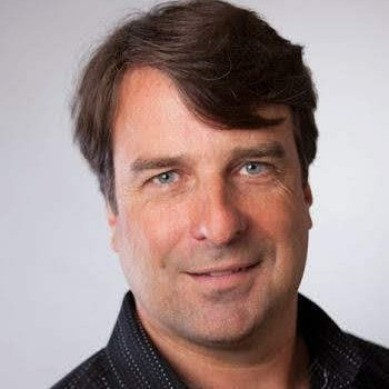
John Furrier
Co-Founder, CEO, Executive Editor, Cohost of theCUBE · Siliconangle & Thecube
Capital Moving to AI-Native
John Furrier says capital is moving toward agentic and AI-native companies, which he says are attracting significant funding because they sit on the right side of the new architecture.
The answer starts at 32:22.
theCUBE Podcast · Listen on Apple Podcasts

Patrick O'Shaughnessy
Founder and CEO · Positive Sum
Throwing capital at problems
Patrick O'Shaughnessy says the big disruption of AI is that you can throw capital at problems, unlike in tech history when engineering problems didn't scale.
Invest Like The Best · Watch on YouTube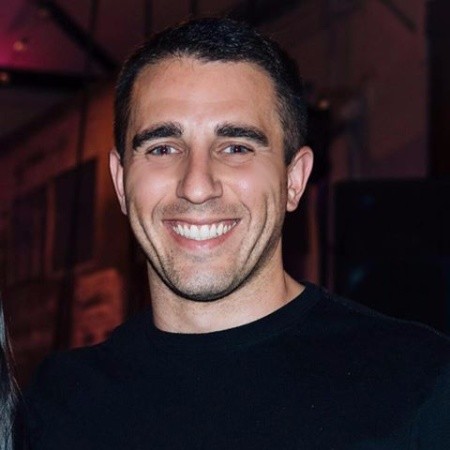

Anthony Pompliano
Founder & CEO · Professional Capital Management
Building out compute
Anthony Pompliano says the only thing he thinks you can make money on with the highest probability of certainty is things related to building out compute, because we don't have enough of it and we're going to continue to build it out.
Anthony Pompliano · Watch on YouTube
Gary Gensler
Former Sheriff of the SEC (Self-Proclaimed) · U.S. Securities And Exchange Commission
AI investment boom, ~2.5% of economy
Gary Gensler says the AI investment boom, at about 2.5% of the economy, is roughly twice the size of the 1990s internet boom, and notes the challenge for companies like Anthropic and OpenAI is whether their heavy spending will lead to revenues.
The answer starts at 2:02.
Bloomberg Talks · Listen on Apple Podcasts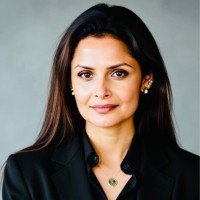
Shulagna Dasgupta
Founder
Bootstrapped solo‑founder startups
Shulagna Dasgupta says the trend of bootstrapped solo-founder startups will have the biggest impact, because developing and prototyping are far cheaper than before, letting founders chase ideas without debt or shame.
The answer starts at 20:14.
Catalyst Podcast · Listen on Apple Podcasts

Tom Bilyeu
CEO · Impact Theory
Debt Outpacing Revenue
Tom Bilyeu says debt accumulation is still outstripping revenue accumulation, which he calls a problem because it means companies are still default dead.
Tom Bilyeu · Watch on YouTube

Lino Gandola
Founding Partner · Riceberg Ventures
Shift to deep‑tech investing
Lino Gandola says the biggest shift is investors moving toward a deep-tech thesis, because AI commoditized software and made that bucket less attractive, while deep tech now offers breakthrough innovations.
Analytics Insight · Analytics Insight · Listen at 8:41

Dario Amodei
CEO and Co-Founder · Anthropic
Safety infrastructure
Dario Amodei argues that safety infrastructure will have the biggest impact, proposing embedded independent evaluators and capability-linked checkpoints that shift competitive advantage from model capability toward institutional trust and permission to operate.
Decoding Discontinuity · Decoding Discontinuity · Read

Martin Casado
General Partner · Andreessen Horowitz
Scale‑up capital game
Martin Casado says the biggest change in this wave is that money can now be put to good use, making it a scale-up capital game where companies that raise a lot know how to use it rather than blowing up.
a16z Podcast · a16z Podcast · Listen at 5:15

Nizar Tarhuni
Executive Vice President, Research & Market Intelligence · PitchBook
Concentration in frontier labs
Nizar Tarhuni says the biggest-impact trend is concentration in frontier labs, noting that about 10 companies are driving two-thirds of capital and the bulk of dollars has gone into the frontier labs.
Founded & Funded · Founded & Funded · Listen at 30:07