What are the key architectural choices or practices that enable reliable and effective agentic AI systems?
The answers emphasize reliability through simplicity, clear criteria, observability, verification, deterministic code, security, cooperation, and governance, though they differ on which architectural practice is most critical.
8 answers
Answers

Mitchell Troyanovsky
Co-Founder · Basis
Simple and Reliable
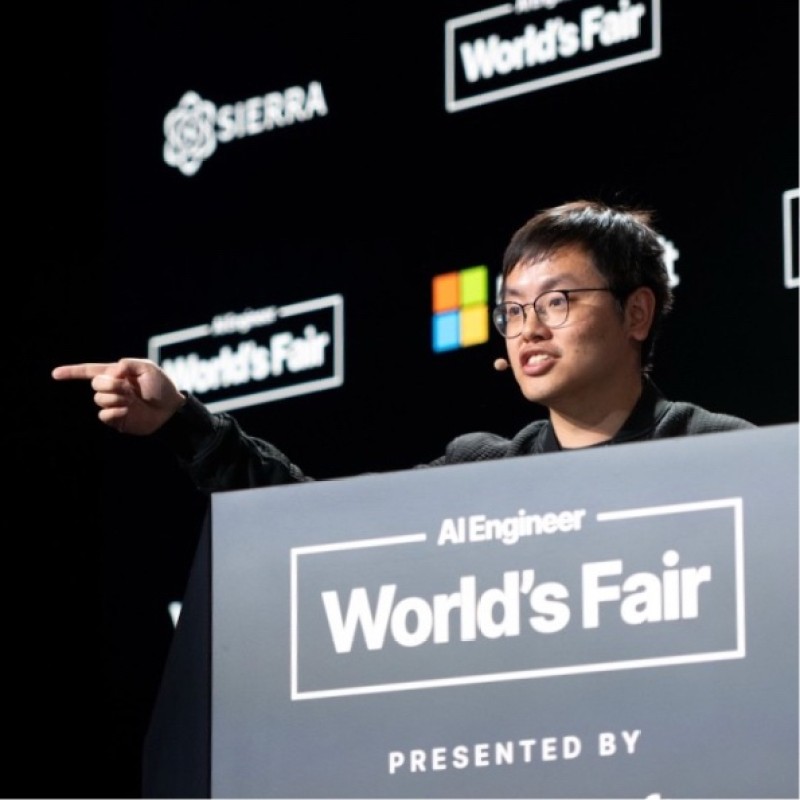
Mitchell Troyanovsky says that for agents to diffuse they need to be simple, and for teams to trust them they need to be reliable, which he says comes from developing opinions on how the agent behaves to build signal and close the loop.
AI Engineer · Watch on YouTube

Guillermo Rauch
CEO · Vercel
Clear Exit Criteria
Guillermo Rauch says agents work best when given almost no guidance other than clear exit criteria, since agents are improving at longer-horizon tasks and can work against criteria like passing tests or shipping code.
First of Kind · Watch on YouTube

Rama Akkiraju
VP, Enterprise AI · Nvidia
Observability
Rama Akkiraju says observability is key, especially for understanding agent behavior before an agent can be certified.
Imagination in Action · Watch on YouTube

Dwarkesh Patel
Host · Dwarkesh Podcast
Train for Cooperation
Dwarkesh Patel says AI agents are highly cooperative because they are trained that way, in multi-agent environments where they work together and are aligned with each other, and he argues the alternative of training them to be adversarial would be worse.
Dwarkesh Patel · Watch on YouTube

Sam Ramji
CEO and Co-founder · Sailplane
World Model & Verification
Sam Ramji says reliable agentic systems require building a world model fed step by step from understanding and recording the world, and that verification is the value, since it confirms what an agent learned will cause good and not harm.
The answer starts at 8:53.
MTS · Listen on Apple Podcasts

Erik Voorhees
Founder · Venice.ai
TEE Models & Encryption
Erik Voorhees says people who want to be "proper crypto paranoid" can use TEE models with end-to-end encryption through Venice, so the entire inference round trip can be attested by an outsider who's mildly technical.
Unchained · Unchained · Listen at 1:11:40

Ang Li
CEO & Co-Founder · Simular
Deterministic Code for Actions
Ang Li argues that deterministic tasks should be stored as code, since code is deterministic and avoids the accumulated error rates of long chains of neural-net decisions, giving minimum risk when performing recurring tasks.
Analyse Podcast · Analyse Podcast · Listen at 19:56

Joe Fernandes
VP and GM, Red Hat AI Business Unit · Red Hat
Efficient Inference & Governance
Joe Fernandes says enterprise AI success requires delivering efficient inference, connecting AI to trusted enterprise data, and governing autonomous agents across hybrid cloud environments.
SiliconANGLE theCUBE · Watch on YouTube
More Generative AI questions
View all →- What design choice improves AI agent privacy?5 answers
- What responsibilities should AI creators have for their models?12 answers
- How does your team create feedback loops for AI models?12 answers
- What architecture optimizes compute for AI workloads?13 answers
- How do you balance AI customization and scalability?8 answers