What are the most important factors for successfully integrating AI into healthcare workflows while maintaining clinician and patient trust?
Most answers emphasize strong governance, clinician involvement, and human oversight as key to trustworthy AI integration, with some also highlighting workflow fit, transparency, and measurable impact.
11 answers
Answers

Chris Carmody
Chief Information Officer · Upmc
Strong Governance
Chris Carmody says successful AI integration starts with governance and the processes around it, so organizations can identify and focus on the top problems they're trying to solve.
The answer starts at 7:04.
Becker’s Healthcare Podcast · Listen on Apple Podcasts
Johnetta Blakely
Chief Medical Officer · Community Oncology Alliance
Clinician champions
Johnetta Blakely says that when introducing something new, you should make sure you have a couple of champions who have already figured out the kinks and know the pain points and how to answer them.
The answer starts at 52:20.
Beyond the Chart: Exploring the AI Frontier for Oncology · Listen on Apple Podcasts

Danny Lee, MD FACP
Chief Medical Informatics Officer · Johns Hopkins Health Plans
Reducing provider burnout
Danny Lee, MD FACP says that before adopting any AI product, especially clinical-facing ones, he looks for technologies that reduce provider burnout, make clinicians' lives easier, and make them more effective while improving patient safety and quality.
The answer starts at 3:27.
Becker’s Healthcare Podcast · Listen on Apple Podcasts
Hal Wolf
President and Chief Executive Officer · Himss
Governance, training, measurement
Hal Wolf says successful adoption requires training people, governance, and processes, and that you need to measure the impact on access and quality, since without measurable impact the effort's relevance is questionable.
The answer starts at 6:50.
The Big Unlock · Listen on Apple Podcasts

Zeke Emanuel
Vice Provost for Global Initiatives · University Of Pennsylvania
Physician oversight
Zeke Emanuel says the real disagreement over AI in medicine concerns autonomous AI, which he defines as AI managing a patient without case-by-case physician oversight, and he frames physician oversight as the dividing line.
AI and Healthcare · AI and Healthcare · Listen at 13:07

Colin LeClair
Chief Executive Officer · Connections Health Solutions
Human oversight
Colin LeClair says his organization wants "human at the helm and supported by AI," not just human in the loop, so that they get it right with a sensitive, high-risk population.
The answer starts at 11:18.
Becker’s Healthcare Podcast · Listen on Apple Podcasts

Munjal Shah
Senior Product Manager, Wearables · Google
Scope safety
Munjal Shah says one thing his team focused on for safety was "scope safety" — not having the AI diagnose or prescribe — and that making it safe means using many models working together.
The answer starts at 6:56.
"Second Opinion" with Christina Farr, Ash Zenooz MD & Luba Greenwood JD · Listen on Apple Podcasts
Peter Lee
President, Microsoft Science · Microsoft
Workflow integration
Peter Lee says the answer is workflow: he argues success comes from integrating AI into clinical workflows reliably and consistently, not from finding the perfect model, so it helps clinicians and patients all the time.
Second Opinion with Christina Farr · Watch on YouTube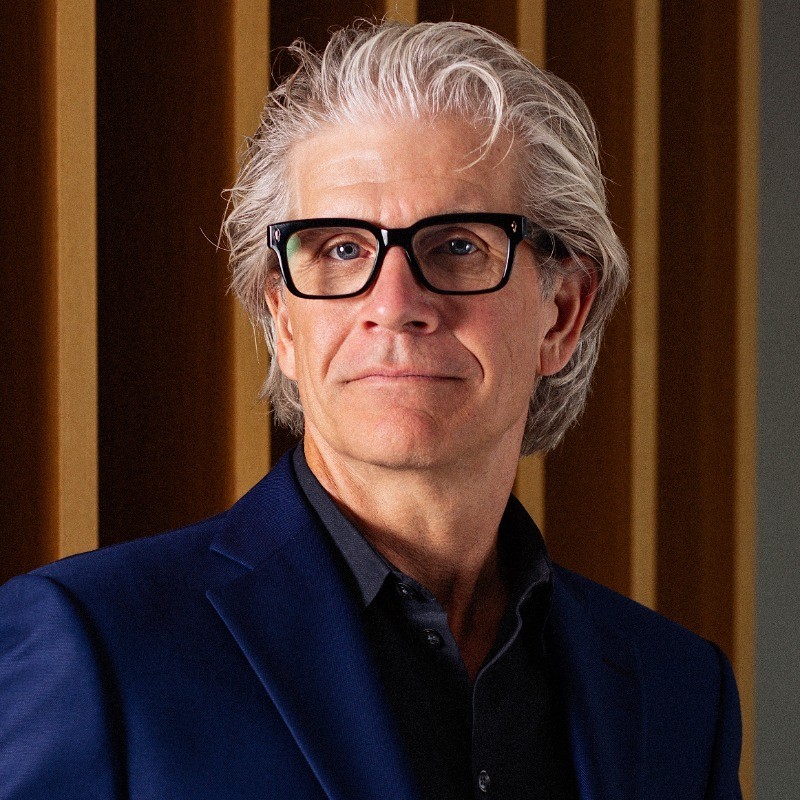

Rhett Alden
CTO, Elsevier Health Markets · Elsevier
Transparency
Rhett Alden says transparency must be driven home for AI tools to be adopted in clinical operations, citing transparency in how responses are arrived at and where information comes from as critical.
The answer starts at 3:24.
The AI in Business Podcast · Listen on Apple Podcasts

Anirban Maitra
Director, Perlmutter Cancer Center · Nyu Langone Health
Physician oversight
Anirban Maitra says the most important thing is using AI safely, with qualified physicians analyzing and checking results rather than letting AI diagnose without oversight, because the physician's judgment remains the captain of the ship.
The answer starts at 10:15.
Becker’s Healthcare Podcast · Listen on Apple Podcasts
Kimberly Powell
Vice President / General Manager, Healthcare at NVIDIA · Nvidia
Healthcare professionals in the loop
Kimberly Powell says it is so important to have healthcare professionals in the loop, both when using the tools and in building them, so clinicians can catch mistakes and treat the systems as a second opinion.
Second Opinion with Christina Farr · Watch on YouTube
More HealthTech questions
View all →- What practice ensures trust and safety scaling AI in healthcare?22 answers
- What practice is key for scaling healthcare services?17 answers
- What elements are essential for AI governance in healthcare?10 answers
- How can AI reduce admin burden for clinicians?15 answers
- What should early HealthTech founders prioritize?13 answers