What is the most durable moat an AI company can build, and why?
Most answers emphasize proprietary or unique data and deep customer integration as the strongest moats, though some highlight execution, broad solutions, or network effects as alternative defenses.
10 answers
Answers


Rob Walling
Co-Founder · Tinyseed
Owning the Customer's Job
Rob Walling says the durable moat is owning the customer's job better than anyone, not the feature, because copying features and code is now cheap and fast.
The Practical Innovator's Guide to Customer-Centric Growth · The Practical Innovator's Guide to Customer-Centric Growth · Read

Michael Bernstein
Professor · Stanford University
Bespoke Data
Michael Bernstein says bespoke data is a durable moat because it is not out there and cannot be purchased, so frontier labs won't automatically get better at it, though he notes his bias as head of data efforts at Simile.
Stanford eCorner · Watch on YouTube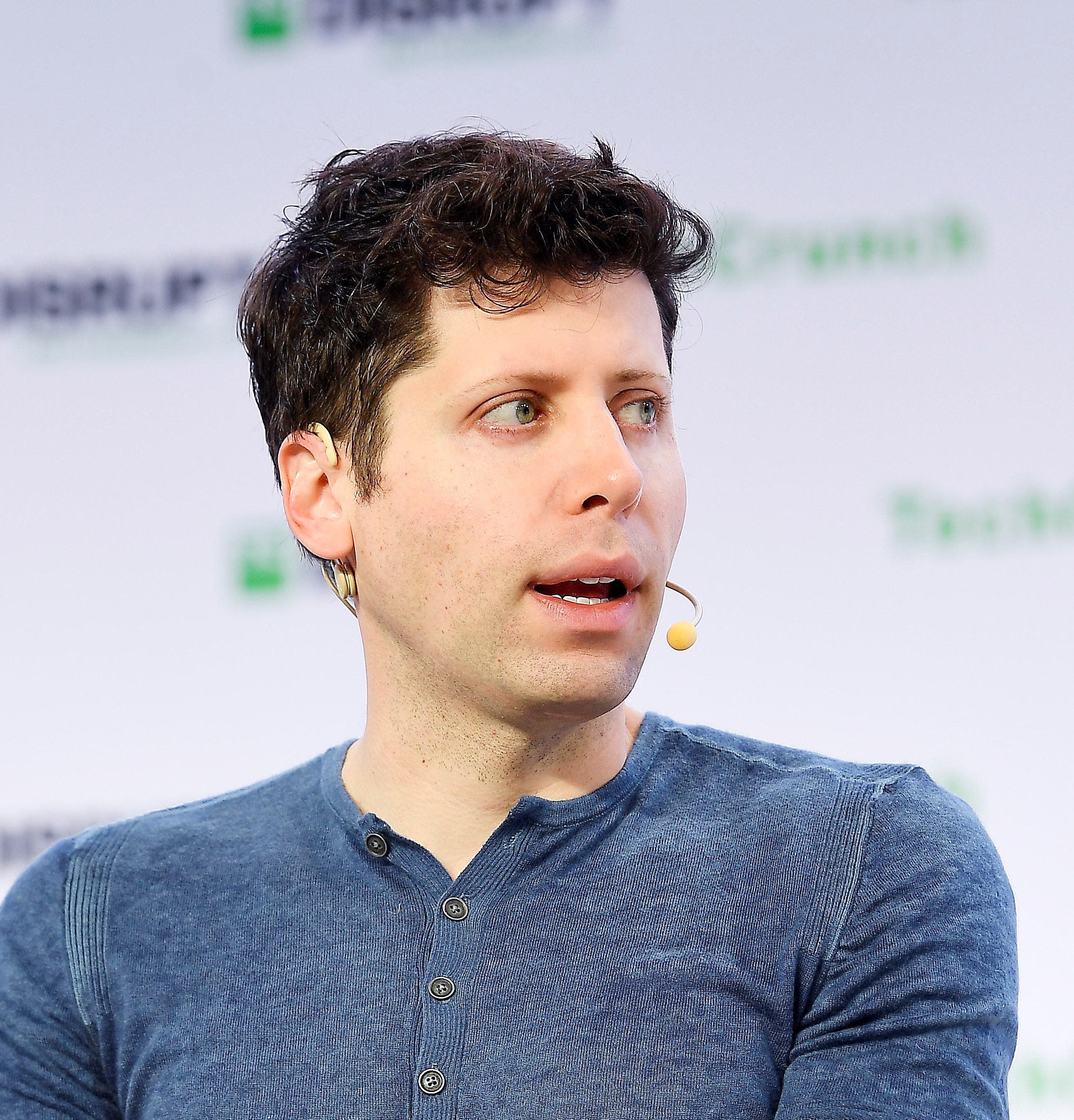

Sam Altman
Chief Executive Officer · OpenAI
Deep Customer Relationships
Sam Altman says the traditional moats still apply, naming deep customer relationships, integration into users' and businesses' lives, network effects and data, and expects these to keep working.
Matthew Berman · Watch on YouTube

Harry Stebbings
Founder · 20vc
A Data Loop
Harry Stebbings says the more durable companies are those creating a data loop, where usage generates data no one else has, which improves the product and attracts more usage, so copiers can copy features but not the interactions.
20VC with Harry Stebbings · Watch on YouTube

Omer Kaplan
Co-Founder & CEO · Zyg
Big Multi-Vertical Solution
Omer Kaplan says the only thing with a moat is solving a problem that replaces multiple offerings across different verticals, since single-point solutions have no moat because companies can build them themselves or use Claude.
The answer starts at 24:59.
The Autonomous Business · Listen on Apple Podcasts

Peter H. Diamandis
Founder & Curator · Abundance360
Proprietary Data
The host and Alex, not Diamandis, discuss data as a moat.
The answer starts at 8:35.
Moonshots with Peter Diamandis · Listen on Apple Podcasts

Anish Acharya
General Partner · Andreessen Horowitz
Network Effects
Anish Acharya says the classic moats still apply, naming network effects, scale advantages, brand effects and proprietary data, and argues founders should have ambition in those directions rather than focusing on how hard the software is to build.
The answer starts at 55:52.
Lenny's Podcast: Product | Growth | Career · Listen on Apple Podcasts

Nic Poulos
Founder & General Partner · Euclid
Proprietary Data
Nic Poulos says the two primitives of defensibility are data and workflow, citing proprietary first-order data such as Thomson Reuters' 40 years of annotated case law as something no one else likely has.
The answer starts at 12:12.
The Learning Corner by Precursor · Listen on Apple Podcasts

Vivek Vaidya
Co-Founder/CTO · Kana
Execution
Vivek Vaidya says the moat really is execution, arguing that technology is easy to build these days, so defensibility comes from being maniacally focused on execution.
The Full Ratchet (TFR): Venture Capital and Startup Investing Demystified · The Full Ratchet (TFR): Venture Capital and Startup Investing Demystified · Listen at 36:06

Danyal Akarca
Co-founder · Callosum
Specialized High-Margin Models
Danyal Akarca says model companies will struggle unless they build very specialized, high-margin models that are hard to replicate because of their data.
Scaling Europe · Scaling Europe · Listen at 31:30