What is the most important measure for reducing the risks posed by rapidly advancing AI, and why?
The answers emphasize improving measurement, safety research, transparency, public understanding, and defensive strategies, while differing on whether restricting access or drawing strict boundaries is effective.
7 answers
Answers
Helen Toner
Interim Executive Director · Center for Security and Emerging Technology (CSET)
Better measurement
Helen Toner says investing in our ability to measure what AI systems can do really matters right now, because current methods of measuring concerning capabilities like hacking or persuasion are rudimentary and need to be better.
The answer starts at 11:43.
TED Tech · Listen on Apple Podcasts
Clark Barrett
Corbel Professor (Research) · Stanford University
Invest in AI safety
Clark Barrett says it is a good idea to invest in AI safety research, given that the future has high uncertainty, especially now.
Y Combinator · Watch on YouTube

Nilay Patel
Editor-in-chief · The Verge
An Informed Population
Nilay Patel says a more informed population is better able to face threats and build the political will to introduce new regulatory schemes, arguing people should understand how things work before pressuring politicians to control them.
The answer starts at 32:08.
Decoder with Nilay Patel · Listen on Apple Podcasts

Timnit Gebru
Founder & Executive Director · The Distributed AI Research Institute (DAIR)
Data transparency
Timnit Gebru calls for simple data transparency, saying companies should document where their data came from before releasing a product, and she says they don't do this and will fight it.
The answer starts at 13:44.
Uncanny Valley | WIRED · Listen on Apple Podcasts

Reid Hoffman
Co-Founder, Executive Board Chair · Manas Ai
Hardening defenses
Reid Hoffman says that rather than pausing or decelerating AI, we should use the lead on frontier models to do "the hardening and the rewriting and the defense side of this in a really intense way," which he gives as a reason he is a smart accelerationist.
Reid Hoffman · Watch on YouTube

Tom Bilyeu
CEO · Impact Theory
Clear weapon–civilian line
Tom Bilyeu says the key measure is to build a very clear line between weapon-grade AI and civilian-use AI, and that without it you will run into problems.
Tom Bilyeu's Impact Theory · Tom Bilyeu's Impact Theory · Listen at 29:19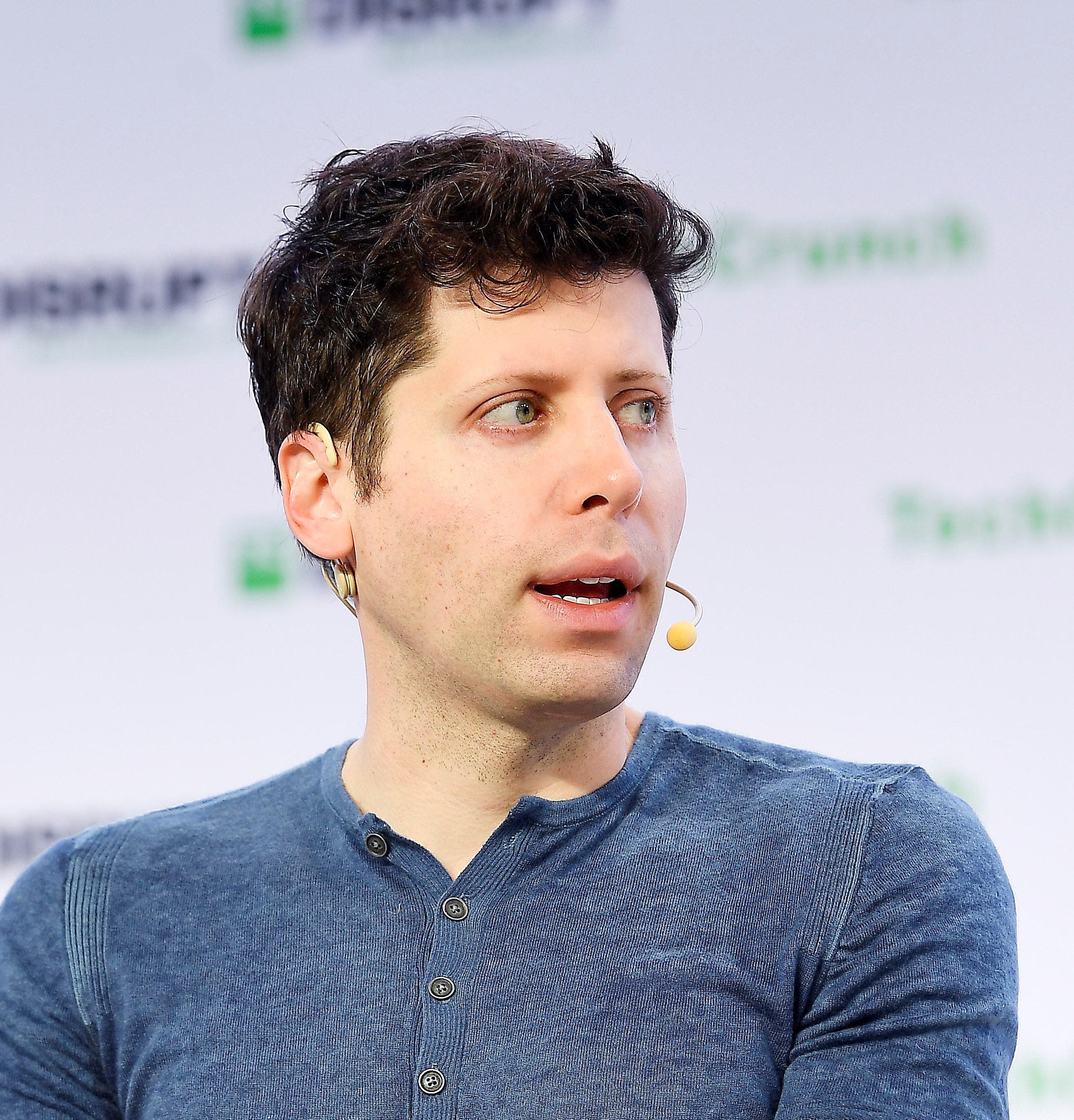

Sam Altman
Chief Executive Officer · OpenAI
Not Limiting Access
Sam Altman does not give "limit access" as his answer here; he describes limiting who gets access as a position he attributes to others in the AI field and criticizes as concentrating power in a few companies.
David Senra · David Senra · Listen at 31:19