What practice or mindset has most shaped your approach to leadership, and why?
The answers emphasize values like humility, focus, prioritization, and authenticity, with some highlighting mission-driven purpose, while others stress decisiveness, speed, or seeking support.
18 answers
Answers


Ben Horowitz
Horowitz · Andreessen Horowitz
Mission-driven purpose
Ben Horowitz says he builds companies to do something larger than yourself and make the world a better place, adding that if you do that you will make money, whereas being in business just for money is not for him.
The answer starts at 55:06.
Stanford Online: University Courses & Lectures · Listen on Apple Podcasts

Han Wang
Co-Founder · Mintlify
Doing the right thing
Han Wang says good leadership distills down to focusing on doing the right thing, and that good leaders know what good leadership looks like and try to act toward it.
The answer starts at 26:49.
Not Another CEO Podcast · Listen on Apple Podcasts

Ashmeet Sidana
Chief Engineer · Engineering Capital
Prioritization
Ashmeet Sidana credits prioritization, saying the only solution to limited resources, time and competitive threats is prioritization — being able to take the signal away from the noise.
The answer starts at 16:52.
Stanford Online: University Courses & Lectures · Listen on Apple Podcasts

Arjun Mangla
Co-Founder & CEO · Fulcrum
Intellectual honesty
Arjun Mangla says intellectual honesty and extreme rational thought have most shaped his approach, because it helps him avoid common pitfalls and short-term local maxima that distract from long-term decisions.
The answer starts at 22:47.
AI in the Real World with Foundation Capital · Listen on Apple Podcasts

Guy Kawasaki
Trustee
Lead by Example
Guy Kawasaki says the principle he'd keep is that you should never ask people to do something you yourself would not want to do, which he believes could survive another hundred years.
22nd Century Frontier® · 22nd Century Frontier® · Read

Harry Stebbings
Founder · 20vc
Humility
Harry Stebbings says humility has shaped his approach, arguing you need a high degree of humility in this business because every week he gets hit by things he doesn't know, and the biggest mistakes come from getting caught in your ego.
20VC with Harry Stebbings · Watch on YouTubeEvan Carmichael
Don’t Go It Alone
Evan Carmichael says the critical practice is not doing it alone—get support and ask for help—because doing everything yourself is a recipe for burnout and failure, and his own isolation nearly broke him.
Evan Carmichael - Believe: Unlocking Your True Potential · Evan Carmichael - Believe: Unlocking Your True Potential · Listen at 53:43

Tom Duffy, CFA, CFP
Director, Private Markets · Tiff Investment Management
Focus
Tom Duffy says focus is the one word that best answers what the best managers have in common, since data has become commoditized by AI and focus and expertise in a specific area can differentiate a good manager.
VC10X with Prashant Choubey · Watch on YouTubePeter Sellis
Senior Vice President, Product · Discord
Push Your Best People
Peter Sellis says he pushes his strongest people as hard as possible, loading them with more decisions until they start making bad ones, because he wants to show he believes in them.
Lenny's Podcast · Watch on YouTube

David Weisburd
Co-Founder · Weisburd Pierce
Winner Mindset
David Weisburd says the winner mindset, as opposed to a victim mindset, is the biggest distinction in venture capital and upstream of almost everything else, meaning GPs decide to be emerging managers and get creative despite the winter.
The answer starts at 24:19.
Innovation with Mark Peter Davis · Listen on Apple Podcasts

Jay Shetty
Co-Founder · Juni Adaptogenic Sparkling Tea
Vulnerability
Jay Shetty says vulnerability is what shapes his approach to leadership, arguing that strength is being able to show both sides and open up rather than putting up a facade.
Jay Shetty Podcast · Watch on YouTube

Julien-David Nitlech
Managing Partner · Iris
Humility
Julien-David Nitlech says humility should be embedded in this business because VCs have so little leverage: they don't own much, and founders are the ones driving and negotiating their companies' futures.
The European VC · Watch on YouTube

Michael Hochberg
Board Member · Foreign Policy Research Institute
Focus on Key Priorities
Michael Hochberg says his approach is to pick the one or two specific things that give a right to win, because as his old CEO said, you can do anything but not everything.
Village Global · Watch on YouTube

Mitch Kapor
Founding Partner · Kapor Capital
Ruthless Prioritization
Mitch Kapor says ruthless prioritization shaped his leadership approach: entrepreneurs always have 50 things to do but can do about three, making it key to survival.
Imagination in Action · Watch on YouTube

Bogomil Balkansky
Partner · Sequoia Capital
Trust Your Gut
Bogomil Balkansky says his best way to make irreversible, type 1 decisions is to follow his gut, which he describes as the culmination of subtle signals, and says he is more often than not happy with the decision in retrospect.
Technovation with Peter High (CIO, CTO, CDO, CXO Interviews) · Technovation with Peter High (CIO, CTO, CDO, CXO Interviews) · Listen at 17:56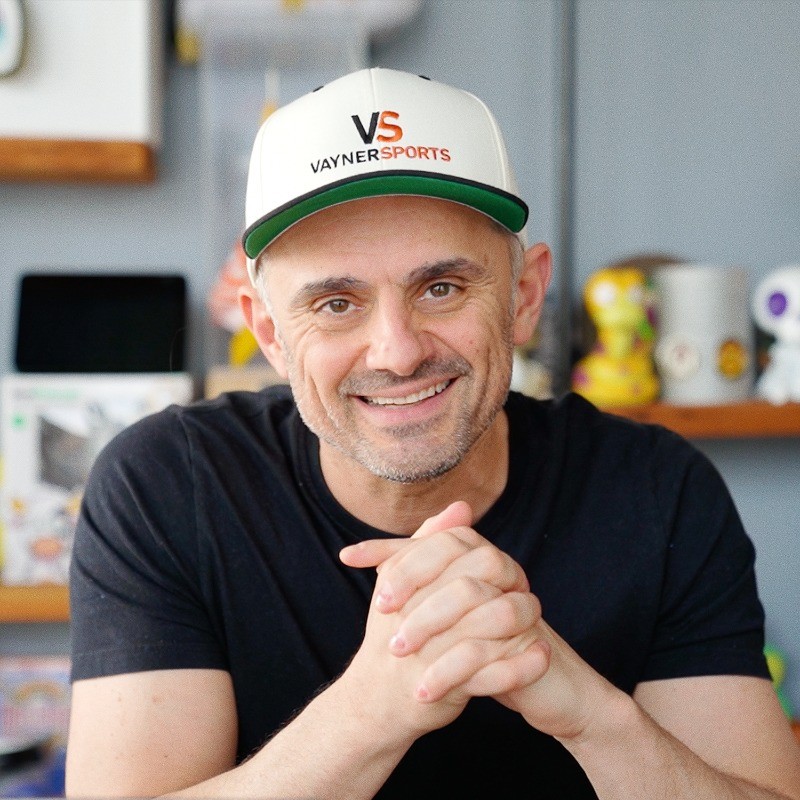

Gary Vaynerchuk
Chairman of VaynerX, CEO of VaynerMedia · Vaynerx
Speed
Gary Vaynerchuk says speed is the game, and that if you can't execute fast you can't win because the world moves on by the time you deliver on your promise.
The GaryVee Audio Experience · The GaryVee Audio Experience · Listen at 45:04Max Hodak
Founder and CEO · Science Corporation
Own Your Judgment
Max Hodak says a hard lesson shaping his leadership is that you cannot delegate your judgment: as CEO you must make decisions that make sense to you, because that is the only way to big outcomes.
Y Combinator Startup Podcast · Y Combinator Startup Podcast · Listen at 20:32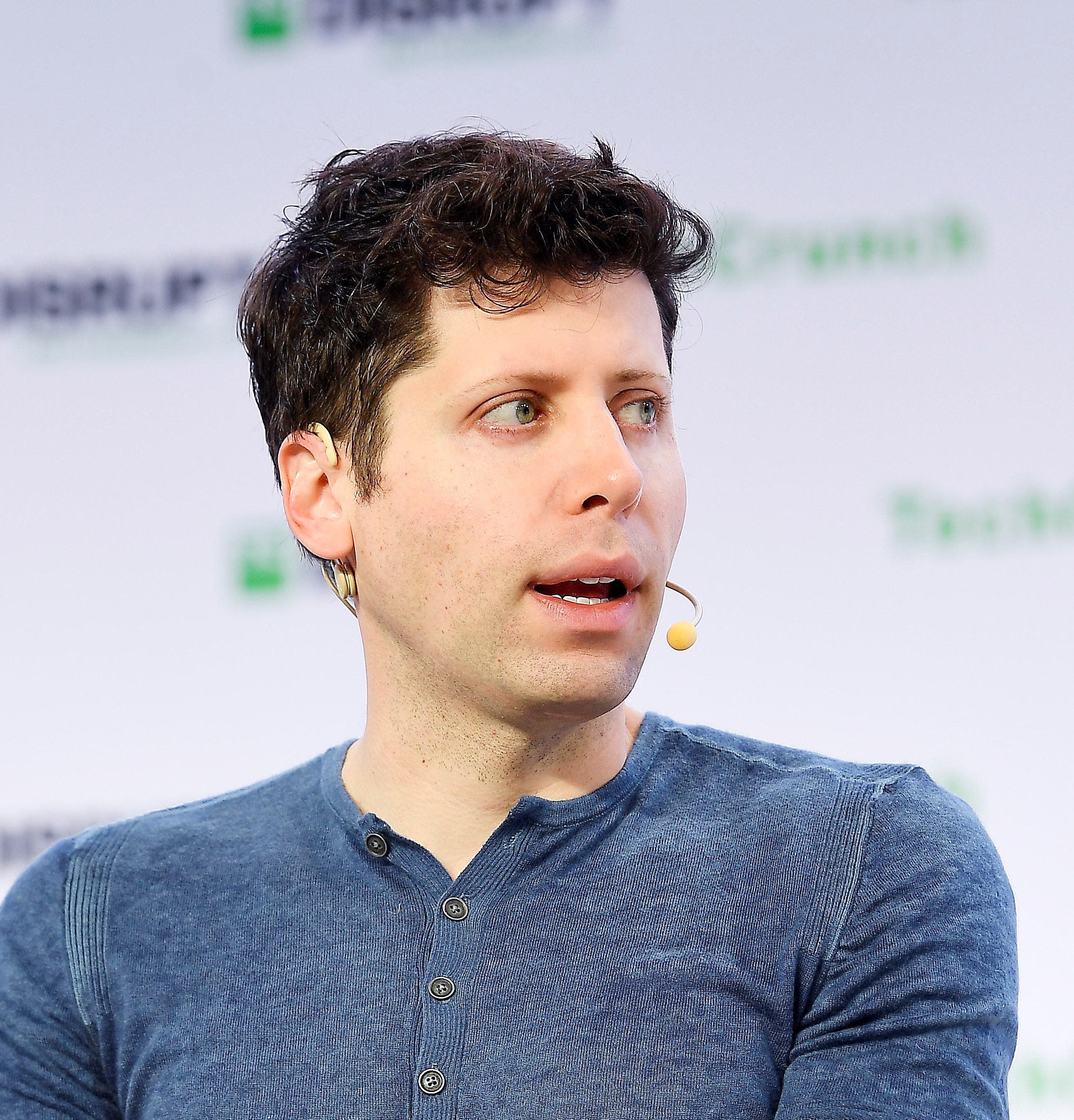

Sam Altman
Chief Executive Officer · OpenAI
Contrarian conviction
Sam Altman says contrarian conviction has most shaped his approach, advising people to find ideas they can develop reasonable conviction in even when conventional wisdom calls them wrong, because conventional wisdom is often wrong about what matters most.
The AI Corner · The AI Corner · Read