What is one specific practice or strategy your organization has adopted to defend against AI-driven cyber attacks, and why?
The answers highlight a range of proactive strategies—such as training, monitoring, access control, and AI integration—with consensus on the need for layered, adaptive defenses against evolving AI-driven threats.
12 answers
Answers

Snehal Antani
Co-Founder & CEO · Horizon3.ai
Train like you fight
Snehal Antani says security teams should train like they fight, because they can't learn to handle an incident in the middle of one and must build muscle memory ahead of time.
Big Technology · Big Technology · Read
Joe Diamond
CEO · Axonius
End-to-end environment
Joe Diamond says the most important fundamental is making sure you understand your environment end to end and keep it up to date, since you can no longer rely on tool dumps and spreadsheets to manage it.
New York Stock Exchange · Watch on YouTube

Amjad Masad
CEO · Replit
Securing sandboxing
Amjad Masad says his organization spends a lot of time securing sandboxing and making sure agents inside the enterprise don't go rogue, arguing most concern should be around cybersecurity rather than sci-fi scenarios.
TechCrunch · Watch on YouTube
Kevin Mandia
Co-Founder and Strategic Partner · Ballistic Ventures
Log every action
Kevin Mandia says his team logs every action its agent takes, including source, IP address, time and date, so they can go backwards and replay what happened when things go rogue.
The answer starts at 33:01.
a16z Podcast · Listen on Apple Podcasts

Sam Curry
Chief Information Security Officer, SVP · Zscaler
Shift right
Sam Curry says organizations should shift right, putting security protections in the production system itself, so attackers have fewer options and vulnerabilities can't be probed or exploited.
The answer starts at 5:59.
The Stack Overflow Podcast · Listen on Apple Podcasts

Rob van der Veer
Chief AI Officer · Software Improvement Group (SIG)
Harness AI code
Rob van der Veer says organizations need to build a harness around AI-generated code, giving it proper requirements and verifications, and ensure a mix of AI tools and humans doing the verification.
CyberWire Daily · CyberWire Daily · Listen at 15:29

Rob Allen
Chief Product Officer · Threatlocker
Continuous monitoring
Rob Allen says continuous monitoring is one of three key practices, and that organizations must continually monitor their agents and update rule sets to try to prevent breakouts.
Security Weekly - A CRA Resource · Watch on YouTube
Nick Warner
Co-Founder & CEO
Guardrails at the Endpoint
Nick Warner says his organization sets guardrails and controls around software before it runs, choosing the endpoint as the best place to do it because existing security tools were built for people and malware, not AI agents.
a16z Podcast · a16z Podcast · Listen at 6:28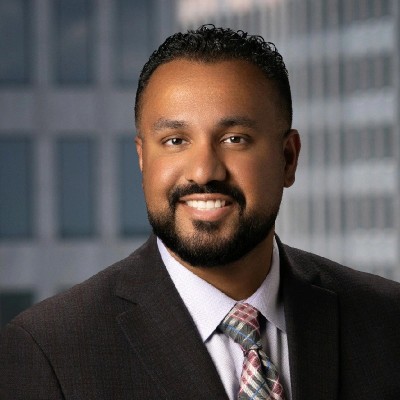

Jacob Thomas
Manager of Information Security · Texas Children'S Hospital
Good Governance Model
Jacob Thomas says his organization relies on a good governance model, with mitigating and compensating controls, to reduce the attack surface and limit what threat actors can do, an approach he says is not unique to AI.
SiliconANGLE theCUBE · Watch on YouTube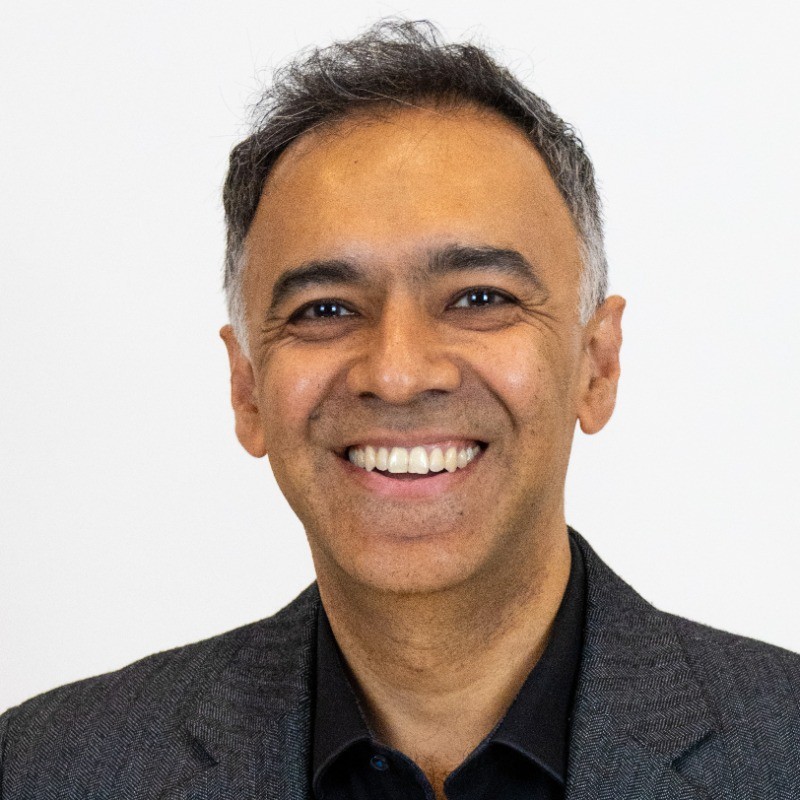

Mujtaba Hamid
Executive Vice President, Product · Booz Allen Hamilton
AI at the core
Mujtaba Hamid says his organization is going "AI native," building AI at the core of its technology solution to fight the threat, rather than adding AI at the fringes, because he believes that approach is needed to scale at the velocity required.
CyberWire Daily · CyberWire Daily · Listen at 18:25

Art Gilliland
Chief Executive Officer · Delinea
Control access
Art Gilliland says controlling access is the most powerful way to limit the blast radius of a breach, since sophisticated attackers will get in and you can't stop every attack.
The Software Leaders Uncensored Podcast · The Software Leaders Uncensored Podcast · Listen at 11:24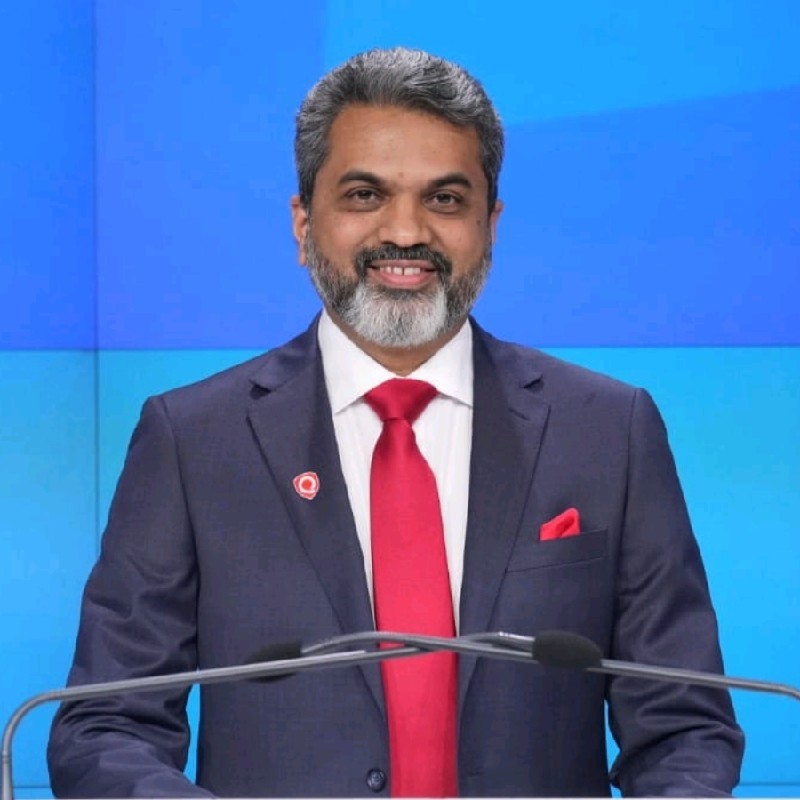

Sumedh Thakar
President & CEO · Qualys
Reverse-engineer patches
Sumedh Thakar says his company, Qualys, uses AI to reverse-engineer released patches, find the exploit, and turn it into compensating controls and a safe testing methodology.
SiliconANGLE theCUBE · Watch on YouTube
More Cyber Security questions
View all →- What should organizations do to prepare crypto for quantum threats?9 answers
- What practice keeps your security testing ahead of AI threats?8 answers
- What practice helps stay ahead of new vulnerabilities?14 answers
- What control best secures AI agents or models?13 answers
- What roles should humans play as AI automates cybersecurity?10 answers