What role does human expertise play when deploying AI systems in complex domains?
All answers emphasize the ongoing need for human expertise—especially judgment, oversight, and accountability—when deploying AI in complex domains, though some differ on how long this will remain essential.
16 answers
Answers


Tristan Handy
CEO & Founder · Dbt Labs
Facilitate Consensus
Tristan Handy says that as producing analytical answers gets easier, the more valuable skill is helping people agree on which answers matter and what to do with them, which he expects to survive AI.
Data Analysis Journal · Data Analysis Journal · Read

Scott Galloway
Author, “Notes on Being a Man” · Simon & Schuster
Guiding AI Use
Scott Galloway says individuals should make strong choices about when to use AI and when not to, and that leaders must decide how AI will be used, including augmenting rather than replacing labor, which he calls dangerous to society and companies.
The Prof G Pod – Scott Galloway · Watch on YouTube

Ethan Mollick
Associate Professor · The Wharton School
Augment Labor
Ethan Mollick says leaders need to decide how AI will augment rather than replace labor, arguing that replacing labor is tempting but dangerous to society and to the companies themselves.
The Prof G Pod – Scott Galloway · Watch on YouTube

Zeke Emanuel
Vice Provost for Global Initiatives · University Of Pennsylvania
Judgment in Rare Cases
Zeke Emanuel says humans might be better at using judgment in unusual cases where guidelines are unclear, such as rare cancers, and that is where human judgment overriding AI may come into play.
AI and Healthcare · AI and Healthcare · Listen at 8:22
Mukhtar Ahmed
Chief Executive Officer · BC Platforms
Human Judgment and Accountability
Mukhtar Ahmed says human judgment remains important for reasons including mechanistic plausibility, institutional behavior, and accountability, and that judgment and accountability stay human because someone must own the call.
The answer starts at 11:39.
The AI in Business Podcast · Listen on Apple Podcasts

Tiffani Bova
Chief Strategy and Research Officer · The Futurum Group
Critical
Tiffani Bova says humans are critical to the future of everything, especially scaling human taste and judgment, and argues companies should partner with experts rather than assume AI can do everything.
What's Next! with Tiffani Bova · What's Next! with Tiffani Bova · Listen at 26:23

Maik Taro Wehmeyer
Co-Founder & CEO · Taktile
Final Decision Oversight
Maik Taro Wehmeyer says that for end-to-end decisions you want both automated decision engines and a human in the loop, with a case manager able to take a look, though he adds that in three or four years humans may not be needed.
Fintech Leaders · Fintech Leaders · Read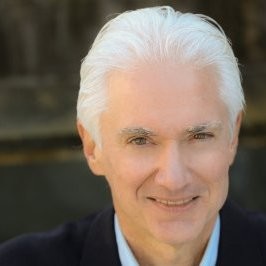

Jerry Kaplan
Adjunct Lecturer, Freeman-Spogli Institute for International Studies · Stanford University
Managing AI Agents
Jerry Kaplan says the key skill for humans in the future is managing AI agents, calling it already an important skill and the future of white-collar work.
The answer starts at 55:08.
The Good Fight · Listen on Apple Podcasts

Marty Kausas
Customer Support, also Co-Founder & CEO · Pylon
Human Judgment
Marty Kausas says human judgment is still needed because of a "last mile problem" where AI lacks context and understanding that humans have, so people must correct it.
The answer starts at 22:20.
How I Invest with David Weisburd · Listen on Apple Podcasts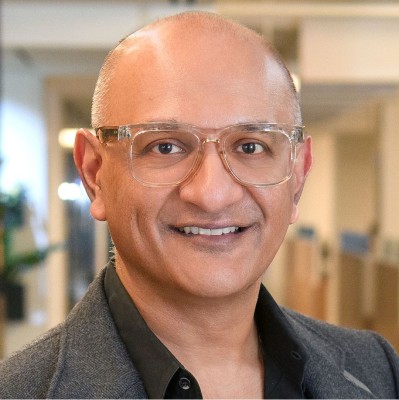

Jeetu Patel
President & Chief Product Officer · Cisco
Oversight and Judgment
Jeetu Patel says that as coding and code review get automated, taste, judgment and instinct about what to build become the bottleneck, making the decision of what not to build the most important one.
The answer starts at 9:45.
MTS · Listen on Apple Podcasts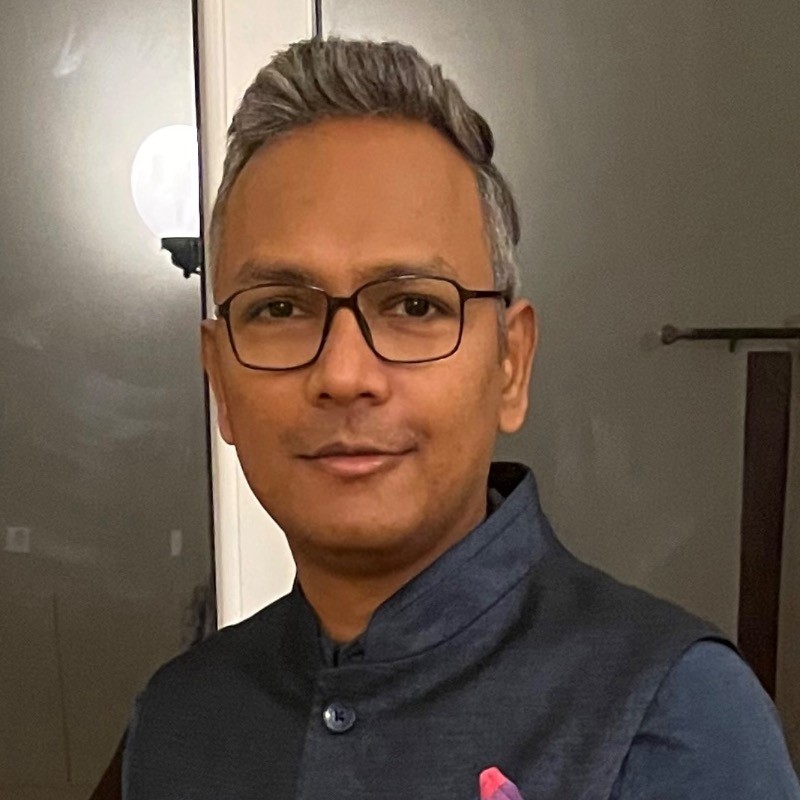

Suresh Subudhi
Global Leader: Travel, Cities and Infrastructure Practice · Boston Consulting Group (Bcg)
Judgment and Ethics
Suresh Subudhi says judgment and ethics are skills that will still have to be led by humans, since decisions are not always analytical or logical and that judgment role must be driven by humans.
Boston Consulting Group · Watch on YouTube
Anders Hejlsberg
Technical Fellow · Microsoft
Provides Understanding
Anders Hejlsberg says there still has to be someone who understands what is going on, how it relates to the business problem and what the organization is doing, so AI cannot be viewed as doing it all.
Ryan Peterman · Watch on YouTube

Tara Seshan
Member of Product Staff · Openai
Accountability
Tara Seshan says humans will remain most valuable as an entity of accountability, owning the outcome of what an agent produces, especially in highly regulated industries or where a direct human interface is required.
Lenny's Podcast · Watch on YouTube

Akhil Verghese
Chief Executive Officer · Krazimo
Human Oversight
Akhil Verghese says the ultimate guardrail is always a human overseer, warning that people who repeatedly trust AI risk confirmation bias and assuming the tenth answer is right.
Social 333 Podcast · Social 333 Podcast · Listen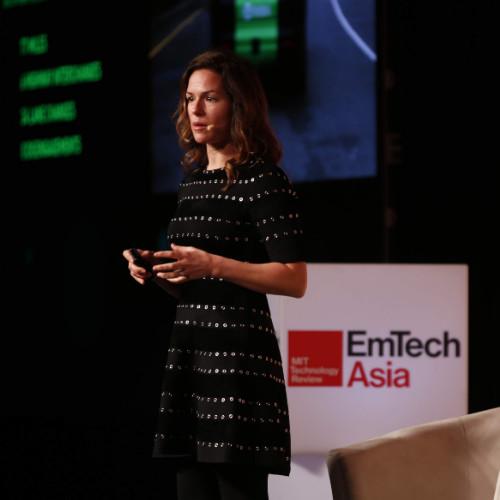

Kimberly Powell
Vice President / General Manager, Healthcare at NVIDIA · Nvidia
Human Experts Stay in the Loop
Kimberly Powell says it is so important to have health care professionals in the loop, and that the systems give those professionals information to help them do their jobs better, acting as a second opinion.
Second Opinion with Christina Farr · Watch on YouTube

Amit Spitzer
CTO & CISO · Glilot Capital
Guide AI Usage
Amit Spitzer says human experience is still needed to know what to ask AI and how to navigate it, arguing that without understanding between person and AI you won't be able to do your job.
N/A · N/A · Listen at 26:39