Which leadership practice do you rely on most to help your organization navigate rapid change, and why?
Most answers emphasize fostering transparency, trust, and clear values, while others focus on empowering teams through autonomy, adaptability, and active culture management during rapid change.
16 answers
Answers

Han Wang
Co-Founder · Mintlify
Transparency
Han Wang says his personal leadership style is one of transparency and genuineness, a value his company Milifi cares about, and that he leads by example through it.
Not Another CEO · Watch on YouTube

Dan Martell
Founder & CEO · Martell Ventures
Define Outcomes and Delegate Authority
Dan Martell says a mentor taught him to define an outcome and give people the resources to do it, including delegating spending decisions, so they can make decisions faster and he stops being the bottleneck.
Dan Martell · Watch on YouTube

Harry Stebbings
Founder · 20vc
Align on Culture and Values
Harry Stebbings says the most important basic is that everyone must be aligned on culture and values, with a clear, unchanging standard of how work is done that everyone is empowered to protect.
20VC with Harry Stebbings · Watch on YouTube

Dave Becker
CEO and Founder · Campusesp
Adaptability
Dave Becker says the biggest thing he learned from living abroad was adaptability, which he describes as adapting to where you are and listening more than talking at first to understand what's going on.
The answer starts at 8:51.
The CMO Podcast · Listen on Apple Podcasts

Nitin Nohria
Executive Chairman · Thrive Capital
Ongoing Agenda Clarity
Nitin Nohria says one of the top two things CEOs should focus on is having ongoing clarity about their agenda—both the company’s and their own—so they know what requires their attention now.
The Founder Mindset with Reza Satchu · The Founder Mindset with Reza Satchu · Listen at 17:39

Elena Verna
Growth · Lovable
Clear Commitments
Elena Verna says she stays clear about her commitments, incentives and priorities, because she doesn't want anyone to be surprised.
Elena's Growth Scoop · Elena's Growth Scoop · Read

Ryan Hawk
Learning Leader Show Host, Author of Welcome to Management, The Pursuit of Excellence · Insight Global
Celebrating Desired Behaviors
Ryan Hawk says the biggest way to tend culture is celebrating desired behaviors: when you celebrate what you want more of and don’t tolerate what you want less of, the culture can flourish.
Ryan Hawk · Watch on YouTube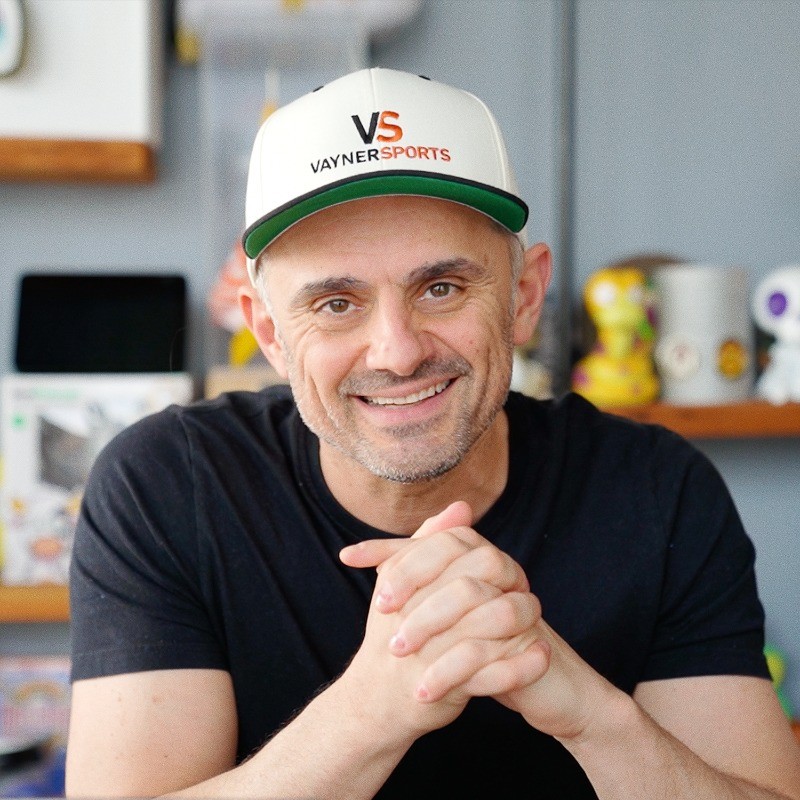

Gary Vaynerchuk
Chairman of VaynerX, CEO of VaynerMedia · Vaynerx
Humility
Gary Vaynerchuk says humility about one's shortcomings creates a professional advantage, letting leaders surround themselves with needed strengths and empower rather than suppress people who are stronger in certain areas.
GaryVee · Watch on YouTube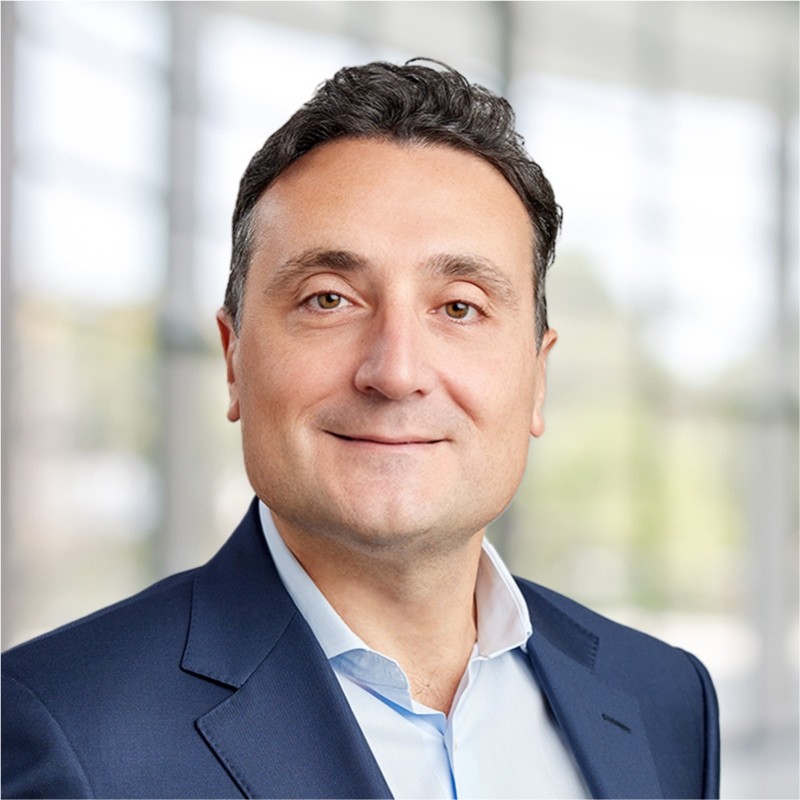

Nello Mainolfi
Founder, President and Chief Executive Officer · Kymera Therapeutics
Trust
Nello Mainolfi says trust is his number one lesson, arguing you can only build a resilient company if you build trust, which he says comes from being true, vulnerable, honest, transparent and data driven.
The answer starts at 30:15.
Biotech 2050 Podcast · Listen on Apple Podcasts

Shivali Anand
Country HR Head · Geidea
Giving Team a Voice
Shivali Anand says she wants her team to have a voice of their own, to think and breathe for themselves, because she would fail as a manager if they were still doing the same work.
Vantage Influencers Podcast · Vantage Influencers Podcast · Listen at 24:54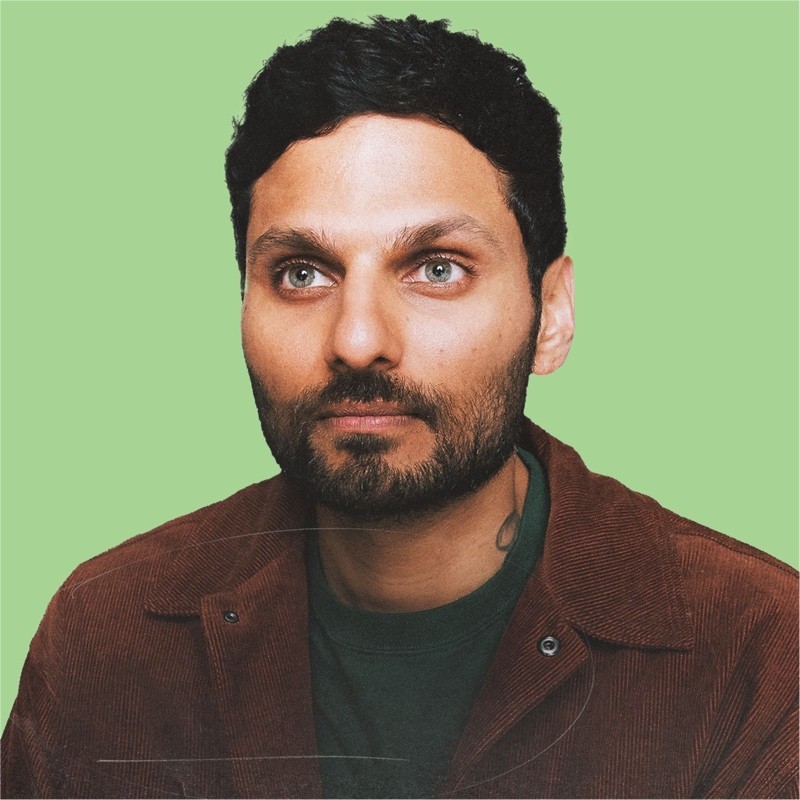
Jay Shetty
Co-Founder · Juni Adaptogenic Sparkling Tea
Vulnerability
Jay Shetty points to vulnerability, arguing that strength is being able to show both sides and open up rather than a facade of bravado.
Jay Shetty Podcast · Watch on YouTube

Aditya Khandelwal
Member of Technical Staff · Amazon
Treat It Like a Human Problem
Aditya Khandelwal says to treat rapid change as a human problem, because fear and human emotions are real and should be recognized.
AI Engineer · Watch on YouTube

Andrew Korn
Chief Financial Officer · Eliseai
Candor
Andrew Korn says candor is the number one thing that differentiates successful leadership, meaning being honest with yourself and others about expectations, abilities, and weaknesses; otherwise misaligned expectations breed mistrust and break relationships.
CFO THOUGHT LEADER · CFO THOUGHT LEADER · Listen at 11:11

Andy Frisella
Chief Executive Officer · 1st Phorm International
Autonomous Thinking
Andy Frisella says leaders should avoid being overly direct so their teams develop autonomous thinking and action, because answering every problem stunts employees' ability to learn and grow.
Andy Frisella · Watch on YouTube

Jake Cooper
CEO & Co-Founder · Grow Therapy
Cascading Vision
Jake Cooper says cascading topline vision and objectives from company to department to team level are useful because, done well, they create scaffolding for people to innovate locally and ladder back to core company goals.
Village Global · Watch on YouTube

Mike Grossman
Board Member · Filmhub
Actively Managing Culture
Mike Grossman says he strongly believes in actively managing culture, meaning intentionally articulating aspirational values and embedding them into hiring, performance reviews, and how the company operates.
Not Another CEO · Watch on YouTube