2026 world cup’s $13b boom: soaring ticket prices, AI hype, and a battle for soccer’s soul
The gist
The 2026 World Cup is smashing revenue records with tech-fueled hype and sky-high ticket prices, but a fierce battle over accessibility and soccer’s soul is raging off the pitch.
What to know
- FIFA expects a record $13 billion in revenue, with U.S. broadcasters and sponsors driving more than half of the deals.
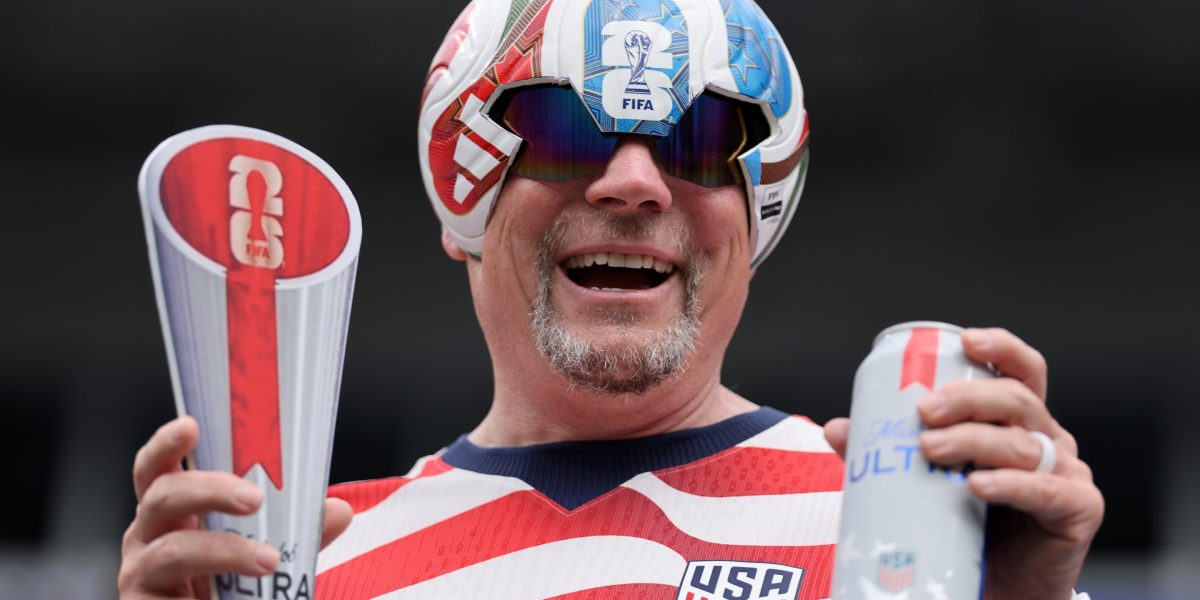
- AI-powered marketing, next-gen Nike jerseys, and superstar influencers like Messi are targeting a diverse, digital-first fanbase.
- Dynamic ticket pricing has sent final match seats soaring past $13,000 and resale prices to $2 million, igniting legal probes and fan backlash.
America’s World Cup Windfall
A $13B World Cup is set to supercharge North America’s economy, with record-breaking U.S. broadcast deals, booming sponsorships, and a tourism surge set to generate $40.9B in local GDP.
The 2026 FIFA World Cup is set to shatter previous financial records by targeting up to $13 billion in total revenue, a staggering 56% increase over the $7 billion generated in Qatar 2022. This surge is driven by a diversified revenue model where broadcasting rights alone are expected to hit $4.3 billion, with U.S. networks Fox and Telemundo contributing $1.25 billion—a 94% jump from the prior tournament. Sponsorship revenues are also booming, forecasted at $2.8 billion with American companies securing 54% of deals, underscoring the event’s growing commercial magnetism in the North American market.
Attendance and fan spending are catalyzing a powerful economic ripple effect, with approximately 6.5 million attendees anticipated, including 1.24 million foreign tourists who are projected to spend an average of $5,000 each—double the spending seen in previous World Cups. This influx is expected to generate a $40.9 billion GDP contribution for the host countries and an $80.1 billion global economic impact, predominantly benefiting the United States due to hosting the majority of matches. These figures highlight how the tournament’s scale and elevated fan engagement are translating into substantial local and international economic activation.
The 2026 World Cup’s commercial ecosystem is further amplified by record-breaking prize money totaling $871 million, a 49% increase from Qatar, reflecting the expanded 48-team format and signaling deeper financial rewards across the board. Coupled with this is a strategic shift toward maximizing in-person monetization through higher ticket prices—such as the July 19 final ticket at MetLife Stadium priced at $32,970, over 20 times the 2022 final price—and FIFA’s own resale platform, which has seen seats listed for millions. This asset-light model, leveraging existing NFL stadiums, allows FIFA to reinvest more revenue into football development globally, blending commercial success with long-term growth objectives.
Beyond direct event revenues, the World Cup is igniting a broader commercial renaissance in the U.S. retail market, with soccer-related apparel, footwear, and equipment sales surging triple digits in early 2026. This retail boom is fueled by growing American soccer fandom—now 19% of the population and increasingly multicultural and urban—as well as high-profile moments like Lionel Messi’s MLS arrival and the U.S. Women’s National Team’s Olympic success. As Beth Goldstein notes, the soccer lifestyle category is outpacing performance gear growth, illustrating how the World Cup is reshaping sports monetization and fan engagement in a digitally connected, tech-driven era.

AI and Hype Fuel Fandom
From AI-driven scouting and next-gen Nike jerseys to influencer-powered campaigns, brands are betting billions on digital innovation and immersive storytelling to win over a diverse, tech-savvy audience.
Nike and U.S. Soccer exemplify the meticulous innovation driving the 2026 World Cup's marketing playbook, having invested six years in co-creating jerseys that marry aesthetic appeal with cutting-edge performance technology. As Nike EVP Venkatesh Alagirisamy explained, these kits feature custom knit materials engineered for roughly double the ventilation of conventional jerseys, addressing anticipated heat challenges while players hailed them as the best-looking and best-feeling ever worn. Parallel to this, U.S. Soccer's adoption of AI-driven scouting breaks traditional barriers by analyzing global youth game footage to uncover American-eligible talent, democratizing player discovery beyond the limits of human scouts and underscoring technology’s growing role in fan and talent engagement.
The 2026 World Cup has catalyzed a radical shift in marketing strategies, compelling brands to master AI-driven search, multimodal content, and authentic storytelling to captivate a digitally savvy global audience. This evolution demands seamless collaboration and sophisticated tech stack integration, as marketers blend blockbuster campaigns with agile, real-time activations that resonate culturally and emotionally. Influencer partnerships featuring icons like Ronaldo, Messi, and Mbappe amplify this effect, mirroring successful influencer dynamics from events like Coachella and Netflix’s NFL campaigns, thereby maximizing ROI and forging deeper fan connections across multiple channels.
A defining feature of the 2026 World Cup’s marketing landscape is the strategic emphasis on long-term brand engagement through integrated sponsorships that tap into soccer’s rich cultural fabric. With over $10.5 billion invested globally in advertising, brands are not only competing for immediate eyeballs but also building sustained campaigns that blend entertainment with authentic storytelling—exemplified by Adidas’ 'Backyard Legends' campaign, which crafts immersive lore that emotionally engages fans while leaving space for imagination. This approach reflects a broader industry trend where sport, media, celebrity, and private capital converge, as seen in high-profile influencer-investor roles, signaling a new era of fan engagement driven by emotion and investment cycles.
Beyond the spectacle, the 2026 World Cup’s marketing and fan engagement strategies are deeply rooted in social responsibility and inclusivity, with U.S. Soccer emphasizing accessibility and affordability to grow the sport nationwide. Marketing teams are fusing data analytics with empathetic insights to create authentic connections as soccer cements its cultural foothold in America, while brands and tech giants double down on AI-powered sponsorships to capture Gen Z’s attention amid a booming AI space race. This dual focus on technology and empathy ensures that fan engagement extends well beyond the tournament, sustaining soccer’s momentum in diverse communities across the continent.






Ticket Chaos and Power Plays
Dynamic pricing, regulatory gaps, and FIFA’s centralized control have ignited legal probes and fan outrage, exposing deep governance and geopolitical rifts beneath the World Cup spectacle.
FIFA's unprecedented adoption of dynamic ticket pricing for the 2026 World Cup, enabled by the U.S.'s relatively lax regulatory environment, has sparked widespread controversy by dramatically inflating ticket costs and complicating accessibility for genuine fans. Average ticket prices surged by 34% between October and April, with early group stage seats ranging from $380 to over $4,100 and final match tickets exceeding $13,000, while resale prices for premium seats have soared as high as $2 million. This pricing strategy, coupled with opaque sales processes and allegations of misleading seat locations, prompted investigations by New York and New Jersey attorneys general, highlighting a growing backlash that even caused some ticket prices to drop amid declining demand.
Beyond ticketing woes, the 2026 World Cup is enmeshed in complex geopolitical and operational challenges that threaten to overshadow the sporting spectacle. The tournament unfolds amid heightened immigration anxieties, notably concerning Iran’s participation despite ongoing conflict with the U.S. host nation, visa hurdles for multiple teams, and fears of immigration enforcement actions that have dampened fan enthusiasm and attendance plans. Additionally, the tripartite hosting arrangement among the U.S., Mexico, and Canada introduces layers of diplomatic tension and intense soccer rivalries, complicating coordination and event management under FIFA’s centralized control through its U.S.-based subsidiary.
FIFA's governance and operational integrity remain under intense scrutiny, with longstanding corruption scandals and opaque financial practices casting a shadow over the World Cup’s execution and fan experience. Despite its record-breaking revenue ambitions—Gianni Infantino projects over $11 billion—questions persist about how funds are allocated across FIFA’s 211 member associations and the organization’s broader accountability. The controversial awarding of a 'Peace Prize' to former President Donald Trump and the consolidation of event control away from local organizing committees into a FIFA-run U.S. subsidiary further fuel criticism that governance challenges are not peripheral but intrinsic to the tournament’s very fabric.
The combination of exorbitant ticket prices, geopolitical tensions, and FIFA’s centralized operational model has raised profound concerns about the World Cup’s accessibility and cultural inclusivity. Fans from less affluent nations, particularly in Africa and Asia, find themselves priced out, while host cities bear heavy public costs for security and infrastructure without commensurate control over revenue or ticketing. Industry insiders like Peter Moore lament that the event risks becoming an exclusive spectacle dominated by speculators rather than a global celebration for everyday supporters, prompting urgent debates about the balance between commercial imperatives and preserving the World Cup’s traditional spirit.




Diverse Fans, Divided Loyalties
Soccer’s U.S. fanbase is young, multicultural, and digitally native—but national enthusiasm lags, with most Americans still on the sidelines and brand influence limited despite the global hype.
Soccer fandom in the U.S. is growing steadily but remains unevenly distributed across demographics and regions. While only 28% of Americans are somewhat likely to follow the 2026 World Cup, interest is significantly higher among immigrants and Hispanic and Asian Americans, with 54% and over 60% respectively showing engagement, compared to lower enthusiasm among U.S.-born and White Americans. This fragmented fan base also reflects diverse allegiances, as 66% of U.S. fans support multiple national teams, underscoring a complex cultural tapestry rather than a singular nationalistic fervor.
The demographic profile of U.S. soccer fans skews younger and more diverse, with Millennials and Gen Z comprising 76% of the fanbase and female engagement at 43%, notably higher than in Europe. Younger adults and men are more likely to follow the World Cup, while regional interest peaks in the Northeast, where 25% report strong enthusiasm. This youthful and diverse fanbase is reflected in evolving viewing habits, with 24% of fans planning to stream matches exclusively, signaling a shift away from traditional broadcast TV and highlighting soccer's integration into modern media consumption patterns.
Despite soccer's global prominence, over half of U.S. consumers (51%) do not plan to watch the 2026 World Cup, and only 9% identify as very active fans, illustrating the sport's still-maturing cultural footprint in America. This limited engagement extends to consumer behavior, where 52% are unlikely to purchase products advertised during broadcasts, and only 26% are influenced by sponsorships, indicating that while soccer is growing, its commercial and cultural impact has yet to fully permeate mainstream American markets.
Major League Soccer's rapid growth and youth development initiatives, exemplified by FC Dallas producing multiple U.S. Men's National Team players, are pivotal in expanding soccer’s cultural and economic presence ahead of the 2026 World Cup. Hosting the tournament is expected to boost attendance by 30% post-event, inspiring a new generation of players and fans. Communities like Dallas have mobilized extensively, reflecting soccer’s deepening roots in American life, where the sport now serves not only as entertainment but also as a conduit for social connection, family bonding, and cultural pride.