Africa’s renewable revolution: grid upgrades, off-grid surges, and a race for skilled talent power the continent’s clean energy leap
The gist
Africa is charging ahead with a clean energy revolution—supercharging grids, scaling off-grid solar, and racing to train the skilled workforce needed to power the continent’s ambitious transformation.
What to know
- Kenya, Angola, and Zambia are rolling out massive grid upgrades and solar-plus-storage projects to boost reliability and integrate renewables.
- Mini-grids and solar-powered solutions from players like Schneider Electric and Renewvia are closing rural electricity gaps, backed by hundreds of millions in fresh investment.
- A critical skills crunch looms, with Africa needing to upskill its workforce or risk stalling the sector’s projected 3.3 million green jobs by 2030.
Grid Overhauls Redefine Reliability
Kenya, Angola, and Zambia are pairing grid upgrades with integrated planning and storage to transform renewable ambitions into resilient, regionally competitive power systems.
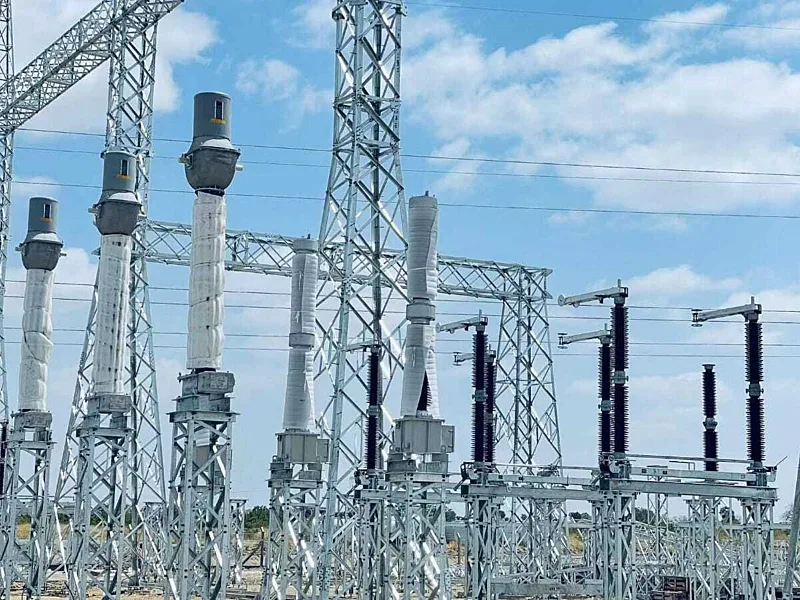
Kenya’s commissioning of the Mariakani substation, backed by the African Development Bank, marks a pivotal enhancement in coastal grid reliability and transmission capacity, directly addressing chronic issues like congestion and voltage instability in Mombasa and neighboring counties. This infrastructure upgrade not only supports industrial growth, port operations, tourism, and digital expansion but also aligns with Kenya’s broader strategy to modernize power systems for economic competitiveness, regional trade, and climate resilience, facilitating smoother integration of renewable energy sources.
The rapid deployment of large-scale solar-plus-storage projects in Angola and Zambia exemplifies Africa’s transition from renewable energy policy ambitions to tangible infrastructure that bolsters energy reliability and reduces fossil fuel dependence. Angola’s Luau photovoltaic park, Africa’s largest off-grid solar-plus-storage facility, and Zambia’s expansion of the Itimpi solar plant, combined with massive battery systems like Leopards Hill, are critical in mitigating climate-induced vulnerabilities such as drought-induced hydropower shortfalls, while powering essential services and industrial activities with cleaner, more resilient energy.
To fully capitalize on these renewable infrastructure gains, African governments and investors must embrace integrated energy planning that transcends isolated solar projects, incorporating storage, grid expansion, mini-grids, and hydropower management. This holistic approach requires evolving policy and regulatory frameworks to support transmission capacity, bankable tariffs, transparent procurement, and long-term maintenance, ensuring that batteries and other flexible resources are properly valued and that clean power becomes both dependable and accessible across diverse regions.
KenGen’s innovative Green Energy Park in Olkaria, Kenya, leveraging stable geothermal baseload power, is reshaping the industrial energy landscape by enabling direct electricity sales to manufacturers, data centres, and logistics firms. This special economic zone model reduces energy supply friction and transforms electricity from a business constraint into a competitive advantage, illustrating how reliable, 24/7 renewable power can underpin green industrialization. However, success hinges on clear, enforceable regulatory frameworks that balance competition with grid stability, ensuring sustainable growth without undermining public utilities.

Mini-Grids Spark Rural Growth
Decentralized solar solutions and robust policy frameworks are turning energy access into a powerful engine for local economies and private investment across underserved African communities.
By early 2026, mini-grids and decentralized power solutions have emerged as vital tools for bridging Africa’s persistent rural and peri-urban electricity access gaps, where traditional grid expansion lags. Schneider Electric’s Climate Smart Village model exemplifies this approach by integrating renewable energy with local economic activities such as irrigation and small-scale processing, transforming energy access into a catalyst for broader community development. These reliable mini-grids power essential services including clinics, schools, and small businesses, thereby enhancing safety, productivity, and income generation in underserved areas.
The scaling of decentralized energy solutions hinges on a robust ecosystem of supportive policies, sustainable financing, and community engagement aligned with national electrification strategies. Both Schneider Electric and Renewvia underscore the necessity of regulatory clarity and local partnerships to ensure fair tariffs, local maintenance, and productive energy use. Renewvia’s $750 million investment targeting 2.1 million connections across Uganda, Rwanda, Ethiopia, and the DRC highlights how patient capital and strong collaborations can unlock a bankable off-grid infrastructure market, driving private sector leadership in Africa’s renewable transition.
Innovations in solar-powered charging solutions have diversified rapidly, extending beyond rural phone kiosks to include portable chargers, PAYGo solar home systems, community hubs, and high-capacity off-grid EV stations. Zero Carbon Charge’s launch of solar EV charging stations along South Africa’s Johannesburg-Durban corridor exemplifies private sector ingenuity in delivering reliable energy independent of unstable national grids. However, sustainable scaling demands comprehensive policy frameworks encompassing equipment quality standards, consumer protections, grid integration rules, import duty clarity, and financing support for local installers to build trust and reliability.
To transform solar chargers from innovative gadgets into durable infrastructure, investment in local assembly, technician training, and maintenance networks is critical. This holistic approach ensures reliable products, transparent pricing, and effective after-sales service, which are essential for long-term energy security and digital inclusion across Africa’s off-grid communities. Such capacity building not only supports the technical sustainability of solar solutions but also fosters local economic empowerment and resilience.
Regulatory Shifts Unleash Markets
New open-access, net metering, and governance reforms are breaking monopolies and empowering consumers, accelerating solar adoption and private-sector competition continent-wide.
Kenya's landmark 2026 open-access power regulations have dismantled Kenya Power's longstanding retail monopoly, enabling independent producers like KenGen to sell electricity directly to large consumers. This shift not only opens fresh investment pathways and enhances market competition but also supports Kenya’s renewable energy dominance—already at 82% of installed capacity—by facilitating further integration of clean power through new transmission projects. However, the success of this market transformation hinges on transparent tariffs, equitable grid access, reliable contracts, and robust consumer protections to build trust and prevent abuses in the newly liberalized environment.
Madagascar’s energy-sector governance reforms, backed by a $68 million AfDB package in mid-2026, exemplify how regulatory overhaul can unlock investment and improve service delivery in energy-poor regions. By establishing an independent electricity regulator and a National Fund for Sustainable Energy focused on off-grid and rural electrification, the reforms aim to enhance transparency, fiscal resilience, and private-sector competitiveness. Crucially, these efforts are tied to measurable milestones—such as procurement transparency and regulator independence—to ensure that governance improvements translate into tangible market transformation and expanded energy access for marginalized communities.
Across Africa, the rise of net metering policies is accelerating solar adoption by transforming consumers into prosumers who can export excess rooftop solar power to the grid in exchange for credits. This regulatory innovation, embraced by countries like Kenya, Nigeria, South Africa, and Ghana, is catalyzing a rapid expansion of solar capacity—from 2.9 GW in 2024 to 4.5 GW in 2025—while reducing dependence on costly diesel generators. When paired with smart meters and clear tariffs, net metering enhances energy resilience and affordability for manufacturers, schools, and hospitals, turning distributed solar into a frontline tool for improving reliability and lowering costs in African cities.
May 2026 underscored a broader shift in African energy policy, where governments are increasingly leveraging reforms to balance affordability, fuel security, and industrial competitiveness amid political pressures. Kenya’s defense of government-to-government fuel supply deals highlights the critical role of transparent and stable procurement policies in maintaining market resilience and public trust. Yet, the experience also warns that poorly designed interventions—such as untargeted subsidies or opaque fuel contracts—can strain public finances and provoke controversy, underscoring the urgent need for governance reforms that enhance transparency, consumer protections, and efficient electricity use.
Results-Based Finance Drives Scale
Rwanda and Madagascar are proving that disciplined, milestone-tied funding and institutional reforms can turn billions in capital into real, equitable energy access for millions.
Results-based financing has emerged as a pivotal mechanism in Africa's renewable energy transition, exemplified by Rwanda’s $300 million Energy Sector Results-Based Financing II programme co-financed by the African Development Bank (AfDB) and the Asian Infrastructure Investment Bank (AIIB). By tying disbursements to verified delivery rather than promises, this model ensures that capital directly translates into measurable energy access improvements, aligning with broader continental ambitions such as AfDB and the World Bank’s Mission 300, which seeks to connect 300 million Africans to electricity by 2030 with an estimated $90 billion investment. Rwanda’s approach also underscores the necessity of coupling financing with rigorous execution discipline, environmental and social safeguards, and transparent reporting to guarantee that vulnerable populations benefit from affordable and sustainable energy services.
By mid-2026, African leaders have shifted from lamenting financing gaps to actively pitching bankable energy and green infrastructure projects, reframing them as lucrative investment opportunities rather than charity appeals. This strategic pivot, highlighted during the AfDB Presidential Dialogue, emphasizes the critical role of credible institutions, robust project pipelines, consistent policies, and strong regulatory frameworks in reducing investor risk and attracting patient, local-currency financing. Development banks are called upon to provide guarantees, first-loss capital, and long-term finance to catalyze private sector participation, enabling Africa to harness growth opportunities across solar, hydro, geothermal, wind, battery storage, electric mobility, and climate-resilient agriculture, while leveraging its geopolitical advantage in critical minerals and sustainable supply chains.
Complementing large-scale investment initiatives, the AfDB’s $68 million financing package for Madagascar illustrates how targeted support for governance reforms and energy-sector institutional strengthening can mobilize capital effectively. By facilitating the creation of an independent electricity regulator and a National Fund for Sustainable Energy, this package aims to build investor confidence and channel funds into critical areas such as off-grid and rural electrification where poverty remains concentrated. AfDB Country Manager Adam Amoumoun emphasized that Madagascar’s demonstrated political will and institutional capacity are vital for translating these reforms into tangible energy access and fiscal resilience outcomes, monitored through clear milestones including procurement transparency and regulator independence.
Private equity is increasingly becoming a cornerstone of Africa’s renewable energy financing landscape, as evidenced by ARM-Harith Infrastructure Investments’ Climate Transition Fund reaching a $76 million first close in early June 2026. This milestone signals growing investor confidence and the critical role of private capital in accelerating the continent’s clean energy transition, complementing multilateral and public financing efforts to bridge the vast funding gap and scale impactful projects across the region.
Talent Crunch Threatens Progress
Africa’s clean energy boom risks stalling without urgent investment in multidisciplinary workforce development, as skilled engineers migrate and technical gaps widen.
By mid-2026, Africa’s renewable energy ambitions face a critical bottleneck in skilled local labor, with migration and inadequate technical training threatening to slow progress. For instance, Kenyan lawmakers highlighted that seven of 18 engineers trained to manage the Ethiopia–Kenya high-voltage power line had migrated within three years, underscoring a fragile human capital base that imperils infrastructure sustainability. This shortage is especially urgent given projections by FSD Africa and Shortlist that the sector could generate up to 3.3 million direct jobs by 2030, predominantly in solar energy, making workforce development a linchpin for both project delivery and broad-based economic growth.
The evolving complexity of renewable energy infrastructure demands a workforce skilled not only in traditional engineering but also in emerging domains like software, battery storage, energy trading, and smart grid operations. South Africa’s proactive upskilling programs exemplify this shift, equipping engineers with multidisciplinary competencies essential for modern energy systems. This transition from a purely engineering focus to a broader technical skill set reflects the sector’s dynamic nature and the necessity for continuous learning to keep pace with technological advancements.
Sustainable growth in Africa’s clean energy sector hinges on embedding comprehensive skills development within every major project, including modern curricula, apprenticeships, certification, and clear local hiring pathways. Experts warn against the paradox of 'importing equipment while exporting talent,' advocating for integrated skills-transfer plans and maintenance strategies to build resilient local capacity. Moreover, reframing the energy transition as fundamentally a skills transition—by linking energy finance directly to workforce development—emerges as a strategic imperative to advance ESG goals, retain engineers, and foster inclusive, resilient growth across the continent.
Renewables Fuel Inclusive Growth
Renewable projects are catalyzing economic transformation, green industrialization, and ESG accountability—delivering jobs, reliable power, and measurable benefits far beyond the grid.
By mid-2026, Africa’s renewable energy projects have moved beyond mere infrastructure to become pivotal drivers of economic and social transformation. In Eritrea, for example, renewable energy access directly supports critical community activities such as irrigation, cold storage, and small enterprises, enhancing food security and resilience against climate challenges. Across the continent, cleaner energy reduces reliance on diesel, boosts industrial productivity, and sustains essential services like rural clinics and clean cooking programs, demonstrating tangible human and economic benefits that underpin inclusive growth.
The shift from sustainability rhetoric to measurable impact is reshaping Africa’s energy landscape, with stakeholders demanding credible transition plans, robust ESG reporting, and projects that deliver local value. Banks and investors now require transparent emissions data and risk management, while communities seek tangible benefits such as job creation, local procurement, and gender inclusion. This evolution underscores the necessity for disciplined implementation, strong governance, and accountability—elements emphasized in partnerships like that between AfDB and Eritrea—to ensure renewable energy initiatives translate into equitable and resilient development outcomes.
Green industrialization emerges as a strategic pathway for African nations to transcend raw commodity exports by fostering manufacturing and technology-driven value chains powered by renewable energy. Kenya’s KenGen exemplifies this trend through its innovative direct power sales from geothermal sources at the Green Energy Park in Olkaria, targeting manufacturers and data centers to lower electricity costs and enhance reliability. This model, enabled by Kenya’s 2026 open-access electricity regulations, promises to deepen local value chains, create jobs, and attract investment into cleaner production hubs, provided that regulatory frameworks balance competition with system stability.
African leaders are increasingly positioning energy and green infrastructure projects as bankable investments that simultaneously drive industrial competitiveness, social resilience, and climate adaptation. Reliable electricity is recognized as foundational for expanding factories, processing agricultural produce, and empowering entrepreneurs, while climate-smart infrastructure protects communities from floods and droughts. However, realizing these benefits hinges on stronger project pipelines, improved procurement, and consistent regulatory environments, as underscored at the AfDB Presidential Dialogue, ensuring that renewable energy investments yield concrete economic and social dividends.