AI data center boom sparks grid showdown: utilities, regulators, and communities clash over power, costs, and control
The gist
America’s AI data center explosion is pitting utilities, regulators, and local communities against each other in a high-stakes battle over who pays—and who controls—the nation’s overstressed power grid.
What to know
- AI data centers are driving unprecedented electricity demand, triggering grid bottlenecks and multi-year delays as utilities like FirstEnergy and PJM scramble to upgrade aging infrastructure.
- FERC is forcing grid operators to adopt new technologies and overhaul cost-sharing rules, while markets like PJM and ERCOT impose emergency curtailments and radical interconnection reforms to manage surging AI loads.
- Local pushback and political fights over cost allocation are stalling billion-dollar transmission projects, as communities resist footing the bill for infrastructure that mainly benefits out-of-state AI giants.
Gridlock at the Transmission Line
Aging infrastructure and fierce local opposition are creating years-long delays for AI data center power delivery, shifting the bottleneck from generation to the grid itself.
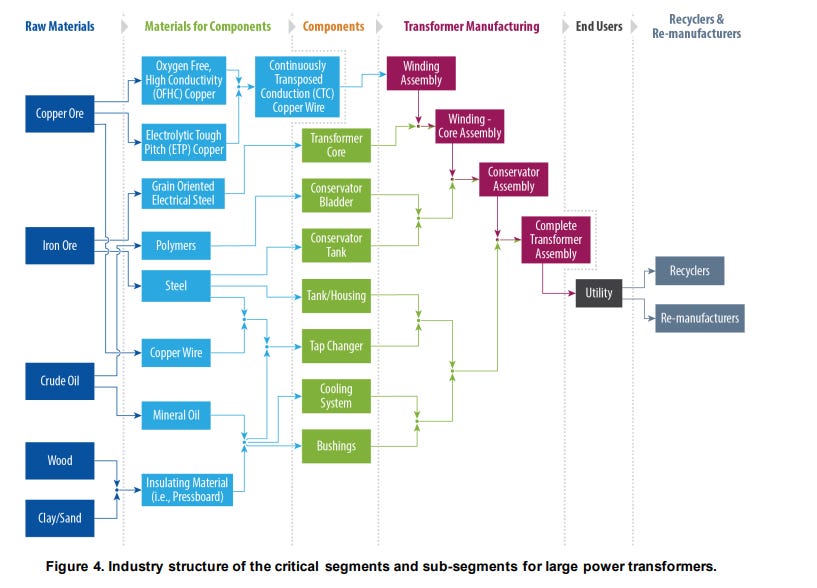
Electric transmission infrastructure stands as the primary bottleneck constraining the rapid expansion of AI data centers, with no technological fix on the horizon to accelerate the necessary investment pace. As experts emphasize, the challenge is not merely generation capacity but the deliverability of power through aging assets, substations, and transformers that often require four to five years to procure and install, creating multi-year delays in meeting AI load requests. This infrastructural inertia is compounded by societal resistance to new high-voltage transmission lines, where NIMBYism and regulatory hurdles limit the expansion of critical grid corridors essential for accommodating the surging electricity demand from hyperscale AI facilities.
The unprecedented surge in AI data center electricity demand is triggering a cascade of grid bottlenecks that threaten both the stability of critical infrastructure and the momentum of the AI revolution itself. With AI-driven data centers accounting for up to a third of new electricity capacity needs, regions like Texas and PJM face zero surplus capacity beyond 2027, forcing utilities such as FirstEnergy and ReliabilityFirst to overhaul traditional grid planning and interconnection processes. This strain is manifesting in volatile consumption patterns—swinging by 50 megawatts within minutes—and emergency curtailments by grid operators like PJM, underscoring the acute physical constraints and reliability risks reshaping investment and operational strategies.
The scale of grid modernization required to support AI data center growth is staggering, with projected infrastructure upgrades exceeding $1 trillion over the next decade amid soaring fuel and equipment costs. This massive investment imperative reflects a shift from chip and software bottlenecks to fundamental physical constraints involving electricity, water, land, and local political tolerance, which collectively complicate project timelines and cost allocation. Moreover, supply chain chokepoints in critical components like wide-bandgap semiconductors exacerbate these infrastructure challenges, demanding coordinated strategies that integrate grid expansion with broader supply chain resilience to sustain the AI infrastructure boom.
In response to these intertwined challenges, utilities are innovating operationally to manage speculative AI data center projects and mitigate grid risks, exemplified by FirstEnergy’s two-stage load study process that provides early cost and schedule estimates to screen projects before committing engineering resources. Yet, competition for limited grid capacity is intensifying, with advanced manufacturing and hyperscale data centers vying for the same constrained assets, as noted by commercial real estate broker Terry Coyne’s observation that 'the power is tapped out' in key markets like Ohio. This dynamic underscores the urgent need for regulatory reforms and community engagement to balance infrastructure expansion with local tolerance and equitable cost allocation.



Regulators Rewrite Grid Rules
FERC and regional operators are forcing sweeping reforms—mandating new tech, emergency curtailments, and cost transparency—to keep AI-driven demand from overwhelming the power system.
FERC has taken a proactive stance by ordering six grid operators to deploy Grid Enhancing Technologies aimed at increasing capacity and optimizing existing infrastructure, a move projected to save up to $100 billion compared to building new facilities. This regulatory push is complemented by historic inquiries into Regional Transmission Organizations (RTOs) to better integrate data centers into the grid, reflecting a broader federal effort to modernize grid planning amid surging AI data center electricity demand. Notably, FERC’s June 2026 order requires PJM and others to justify or revise cost allocation methods to prevent unfair cost-shifting to ratepayers, underscoring the commission’s focus on transparency and equitable cost distribution as AI-driven loads reshape grid economics.
Regional markets like PJM and ERCOT are implementing significant reforms to manage the unprecedented growth in AI data center loads, with PJM instituting emergency curtailment authority for data centers lacking co-located generation and ERCOT launching its Batch Zero process to fundamentally restructure large load interconnections. These measures respond to capacity price surges—PJM saw an 11-fold increase to $329.17 per megawatt-day in 2026/27—and highlight the tension between rapid data center expansion and slower grid infrastructure development. Hyperscalers such as Amazon Web Services and Microsoft are adapting by securing firm, carbon-free generation contracts, signaling a shift in data center siting strategies driven by regulatory and market pressures.
The rapid pace of AI data center development has exposed deep fissures in transmission expansion timelines and cost allocation frameworks, with projects like the $960 million Mid-Atlantic Reliability Line (MARL) caught in regulatory crossfire. Despite PJM’s regional approval in 2022, state consumer advocates—most vocally in Maryland—have challenged the socialization of costs, arguing that local ratepayers should not subsidize infrastructure primarily benefiting out-of-state data centers. This dispute, fueled by the hyperscalers’ voluntary Ratepayer Protection Pledge and amplified by state-level pushback, has stalled critical transmission projects and created a regulatory environment described as 'building the plane while flying,' where infrastructure buildout lags far behind data center demand.
Cost allocation remains the thorniest issue as hyperscalers negotiate tariffs to cover incremental generation costs but balk at joint payment mechanisms for shared transmission infrastructure, especially given the multi-state nature of many projects and lengthy construction timelines extending into the early 2030s. This complexity is compounded by local opposition to new transmission lines and the political sensitivity around rising electricity bills, prompting states like Texas and Congress to pursue cost protection measures and proposals such as Senator Lummis’s federal interconnection coordinator to streamline processes. Meanwhile, PJM’s failure to secure consensus on new interconnection rules due to cost disputes has forced FERC to impose tighter regulations unilaterally, illustrating the ongoing struggle to balance rapid AI growth with equitable, timely grid modernization.


Hyperscalers Go Off-Grid
AI giants are rapidly investing in onsite natural gas generation and advanced hybrid systems, reshaping the power landscape as grid expansion lags far behind demand.
Facing critical grid bottlenecks and insufficient expansion—forecasted to add barely 15GW of net-new ELCC capacity annually—hyperscale AI data center operators are aggressively pivoting to behind-the-meter (BTM) power generation, primarily leveraging natural gas solutions. Companies like Bloom Energy, Bergen Engines, and Wärtsilä have scaled rapidly to overcome turbine capacity constraints, enabling a surge in onsite gas generation that is reshaping America’s AI infrastructure landscape. This trend is underscored by projections that BTM will power over half of new U.S. data centers by 2028, with total BTM equipment capacity surpassing 50GW per year by 2029, signaling a fundamental shift toward hybrid power models combining grid and off-grid resources.
Beyond simply bypassing grid constraints, hyperscalers are innovating with integrated onsite solutions—incorporating energy storage, microgrids, and advanced electrical equipment such as 800V DC power delivery and liquid cooling systems—to enhance reliability and enable grid-interactive capabilities. These data centers can strategically reduce load during peak demand periods, offering valuable grid services that alleviate stress on utilities. Texas exemplifies this approach by pioneering hybrid power models, where hyperscalers’ investments in behind-the-meter generation are paired with smart grid technologies to navigate regulatory challenges and local opposition.
Major hyperscalers like Amazon, Google, and Microsoft are not only investing in behind-the-meter generation but are also committing substantial financial resources to infrastructure upgrades and power system modernization. For instance, National Grid’s $1.75 billion commitment to power Microsoft’s Texas AI data centers highlights a utility pivot driven by hyperscaler demand. This aligns with the Department of Energy’s bold new model requiring AI data centers to shoulder full energy infrastructure costs, aiming to shield residential ratepayers from price shocks while fostering a cleaner, more resilient energy future amid the AI arms race.
Experts advocate leveraging the immense financial clout of hyperscale AI operators to fund smart grid investments and long-term energy solutions, emphasizing innovative large load tariffs and coordinated grid planning as essential tools. This strategic collaboration seeks to balance infrastructure costs with residential electricity affordability amid escalating political and environmental pressures, transforming hyperscalers from mere energy consumers into active partners in grid modernization. As Bloom Energy’s 25-year vision of self-contained, waste-heat-utilizing data centers gains traction, the convergence of market needs and technological innovation is redefining the future of AI data center power management.




Local Fights, National Consequences
Community backlash and unresolved cost battles are stalling billion-dollar projects, as states and ratepayers resist funding infrastructure for out-of-state AI data centers.
The rapid expansion of AI data centers is triggering intense local opposition and political pushback, as communities resist bearing the financial and environmental burdens of new transmission infrastructure that primarily benefits distant hyperscalers. States like Maryland have filed complaints with FERC, and public hearings in West Virginia underscore how these disputes complicate project approvals and delay critical grid upgrades. This resistance reflects not just classic NIMBYism but deeper concerns about environmental justice and fairness, as local ratepayers question why they should fund costly projects like the $960 million Mid-Atlantic Resiliency Link (MARL) that serve northern Virginia’s data centers.
Cost allocation remains a contentious and unresolved issue, with FERC actively considering whether AI data centers should shoulder 100% of the transmission upgrade costs they necessitate. While hyperscalers such as Amazon, Google, and Microsoft have pledged to fund infrastructure upgrades to accelerate capacity availability, the complexity of enacting equitable cost-sharing agreements amid multi-state regulatory frameworks fuels ongoing political tensions. The traditional regional cost-sharing model is under strain as rapid AI-driven load growth disrupts planning assumptions, prompting state advocates to leverage commitments like the Ratepayer Protection Pledge to demand direct financial contributions from data centers.
These infrastructure and cost allocation challenges are unfolding amid broader systemic strains on the U.S. power grid, intersecting with crises such as looming jet fuel shortages and regional disparities in electricity affordability driven by factors like wildfire costs in California and fuel price volatility in the Northeast. This complex backdrop intensifies political debates over energy reliability and equitable cost sharing, making transparency around grid connections and long-term planning essential. Innovative large load tariffs and coordinated grid modernization strategies are emerging as critical tools to balance the soaring demands of AI data centers with the imperative to protect residential ratepayers and advance environmental justice.