AI data center labor wars fuel wage surge, housing crunch
The gist
A fierce skilled labor shortage is turbocharging wages and reshaping local economies as AI data center giants battle for talent, driving up home prices—and leaving housing projects in the dust.
What to know
- Nine out of ten data center operators now say talent scarcity—not power or land—is their top growth blocker, with engineers and trades seeing up to 64% wage premiums.
- A poaching frenzy means 25% of skilled staff are lured away by rivals, forcing firms like Digital Realty to broaden hiring, invest in training, and fast-track automation.
- Soaring wages are boosting home values near data centers but draining labor from housing construction, deepening regional housing shortages even as regulatory delays stack up.
Specialized Skills Hit Crisis Point
Aging workforces and soaring demand for niche expertise like liquid cooling and GPU operations are leaving data centers scrambling to retrain and upskill non-traditional candidates.
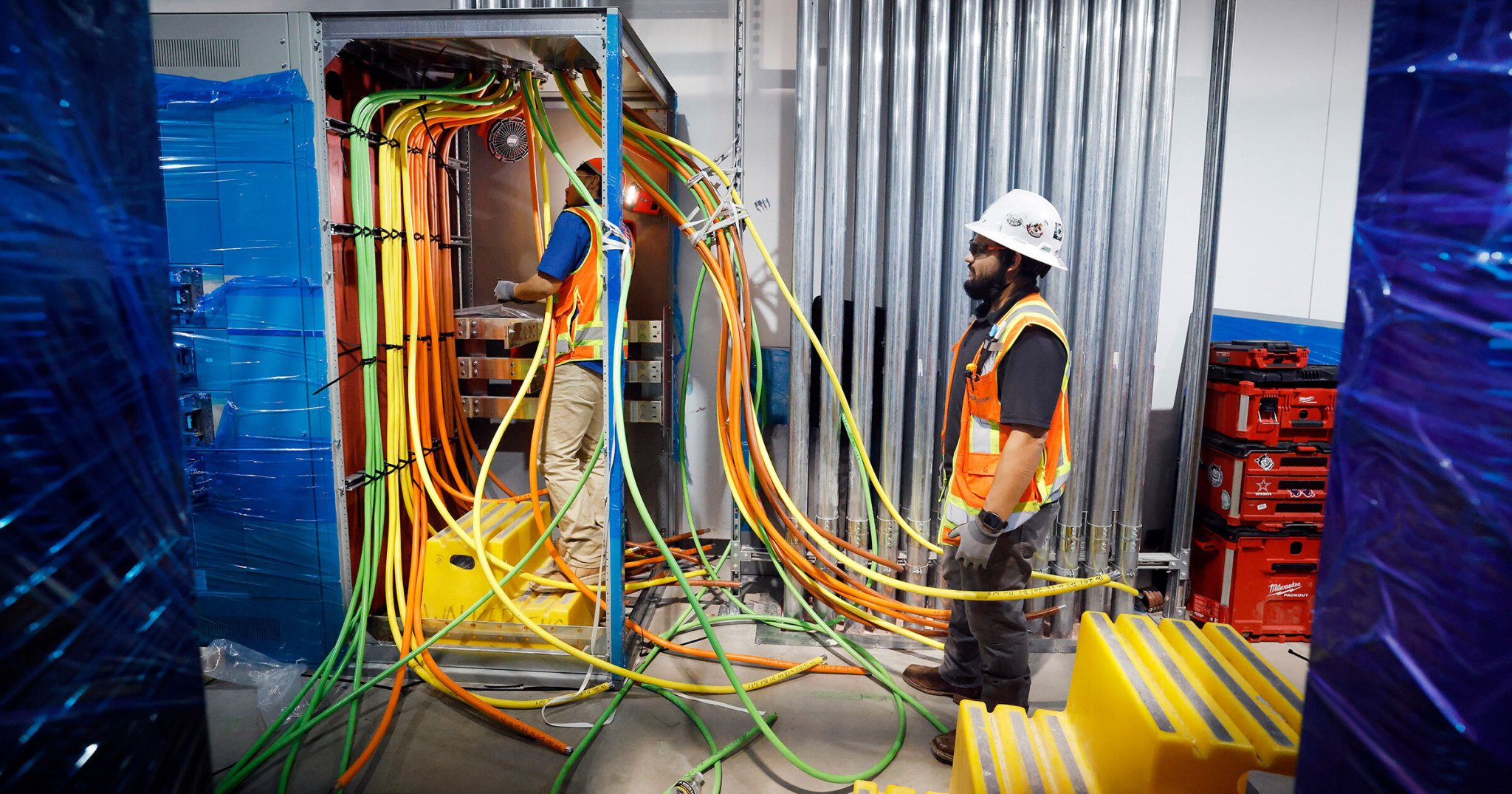
Skilled labor shortages have emerged as the most critical bottleneck to data center expansion, overshadowing traditional constraints like power and land. According to Joel Leege, President of Kelly Science, Engineering, Technology & Telecom, 90% of data center operators now cite talent scarcity as their primary growth limiter, with specialized skills such as liquid cooling commissioning, medium-voltage electrical expertise, and GPU cluster operations commanding significant wage premiums due to their high demand.
The competition for specialized engineering talent is fierce, with 25% of data center personnel being poached by rival operators, intensifying wage inflation and talent scarcity. This rivalry extends beyond data centers to adjacent sectors like telecommunications, where South Korean telecom operators and U.S. data center companies vie for the same limited pool of skilled workers, exacerbating the hiring challenges and driving up compensation packages.
The acute shortage of skilled blue-collar workers, including electricians, HVAC technicians, and mechanical specialists, is compounded by an aging workforce, with 41% of construction workers projected to retire by 2031 and nearly 20% of electricians already over 55. This demographic shift shrinks the talent pipeline, leaving companies like Digital Realty to broaden hiring criteria and invest heavily in training programs that transform candidates without direct data center experience into proficient engineers.
Wage Wars Reshape Local Economies
Sky-high pay for data center workers is fueling local booms but siphoning talent from housing construction, deepening regional shortages and driving up home prices.
The acute scarcity of skilled labor in the data center sector has triggered significant wage inflation, with facilities managers earning up to 64% more and electrical engineers about 10% above comparable roles in other industries. This premium extends to construction trades as well, where concrete workers on data center projects command wages near $45 per hour plus a $150 per diem—almost 50% higher than typical rates of $28–32 per hour—highlighting the sector's intense competition for talent and the resulting upward pressure on compensation.
Regional disparities in pay are stark, reflecting localized labor shortages and fierce competition among data center operators. For instance, salaries in Silicon Valley run 34.2% above the national average, while Omaha lags 11.8% below, underscoring how geographic talent pools shape wage inflation. This dynamic is compounded by high turnover, with 25% of data center personnel being poached by competitors, further escalating hiring costs and intensifying wage pressures across the industry.
While the wage inflation driven by data center expansion poses challenges, it also delivers substantial economic benefits to local communities. Counties hosting data centers since 2024 have experienced increased employment, rising home values, and reduced unemployment, positioning data center development as a key economic driver. However, this growth comes with trade-offs, as the surge in demand for skilled trades has drawn workers away from housing construction, contributing to a decline in new home starts and pending sales, a trend experts like Ed Brady warn will worsen without greater investment in workforce training.


Talent Pipelines Get a Makeover
Operators are widening recruitment to adjacent trades and schools, then fast-tracking training and automation to fill critical roles amid relentless poaching.
Facing acute skilled labor shortages, data center operators like Digital Realty are broadening hiring criteria to include candidates from adjacent trades such as master electricians and HVAC technicians, then investing heavily in tailored training programs to develop them into data center engineers. This approach allows those with related skills to enter mid-level roles after bridge training, while newcomers without experience start as paid entry-level technicians, creating a more sustainable talent pipeline amid fierce competition.
The industry is grappling with intense talent poaching, with roughly 25% of data center personnel being hired away by competitors, which exacerbates workforce constraints and drives wage inflation. To counter this, operators are simultaneously pursuing a three-pronged strategy: training workers from diverse backgrounds, aggressively recruiting experienced talent from rivals, and accelerating automation to reduce overall labor demands in constructing and operating AI data centers.
Beyond traditional recruitment channels, companies like Digital Realty are expanding outreach efforts through job boards, early-career programs, and partnerships with educational institutions, including exploring high school outreach to raise awareness of data center careers for non-engineers. This proactive engagement aims to diversify and enlarge the future workforce, addressing the chronic shortage of specialized engineers needed to support rapid AI-driven data center expansion.
Red Tape and Local Pushback Surge
Tougher regulations, grid delays, and mounting community resistance are stalling billions in projects and prompting states to consider outright bans on new data centers.
Regulatory measures are increasingly complicating data center expansions, with states like Pennsylvania and New York imposing stringent requirements that extend project timelines. Pennsylvania’s executive order enforces strict development standards, while New York’s Executive Order 62 mandates holding incomplete permit applications until comprehensive environmental impact statements are prepared, potentially delaying approvals by up to a year. These layered regulatory hurdles add to the complexity of navigating project development amid surging AI demand.
Infrastructure bottlenecks, particularly power availability and grid interconnection delays, remain critical chokepoints that dictate where data centers can be feasibly constructed. The New York Independent System Operator’s interconnection queue has ballooned to 11.9 gigawatts of anticipated large-load projects, underscoring the strain on existing grid capacity. This scarcity of reliable and timely power delivery compounds the acute skilled labor shortages, collectively throttling the pace at which AI data center capacity can be expanded.
Community opposition has emerged as a formidable barrier rivaling traditional infrastructure challenges, with local resistance, zoning disputes, and entitlement delays now capable of halting projects even after power and fiber resources are secured. According to CBRE, community engagement constraints are 'on par with power procurement,' and a 2025 Data Center Watch report estimated that $64 billion worth of U.S. data center projects have been delayed or blocked due to local pushback. This resistance has prompted at least 15 states to consider moratoriums or outright bans on new data center developments in 2026, further complicating expansion efforts.