AI data center backlash spurs grid, regulation showdown
The gist
New York’s historic moratorium on AI data centers has ignited a national showdown over whether the grid—and the public—can keep up with Big Tech’s ravenous power demands.
What to know
- AI data center electricity use in the U.S. is set to more than double to 66 GW by 2027, straining grids and sparking fierce local backlash.
- Governors and lawmakers are weighing tough new rules as hyperscalers like Meta pour billions into mega-campuses, fueling battles over utility bills, pollution, and who really benefits.
- Developers are backing away from projects amid mounting protests and regulatory chaos, giving a clear edge to players who can deliver both energy certainty and real community buy-in.
Moratoriums Redefine AI Expansion
Grassroots opposition and sweeping state moratoriums are forcing hyperscalers to rethink their approach as regulatory certainty and community trust become the new keys to survival.
New York’s unprecedented one-year moratorium on AI data center construction, enacted under Governor Kathy Hochul, marks a watershed regulatory intervention driven by escalating community and political opposition to the rapid expansion of hyperscale AI infrastructure. This pause aims to address the mounting strain on the state’s power grid and energy resources amid a global AI arms race, spotlighting the fierce clash between innovation ambitions and infrastructure capacity. The moratorium not only reflects local resistance but also intensifies a broader policy showdown involving hyperscalers, utilities, and regulators across key U.S. markets grappling with energy challenges and governance gridlock.
Community backlash against AI data centers is widespread and deeply organized, with hundreds of grassroots groups nationwide voicing concerns over soaring electricity and water bills, noise pollution, and environmental degradation. Residents near these facilities report disruptions ranging from constant noise to displacement due to eminent domain, as seen in Georgia where social media activism has amplified local grievances. This groundswell of opposition has fueled legislative momentum, with at least 15 states considering moratoriums similar to New York’s and federal lawmakers proposing measures to ensure data centers bear the full costs of their infrastructure impacts.
The regulatory moratoriums and community pushback signal a significant shift from earlier enthusiasm for AI data center investment toward a more cautious, responsible development paradigm. Stakeholders now emphasize strict conditions such as eliminating tax breaks, enforcing environmental safeguards, and ensuring fair treatment of workers, reflecting a consensus that voluntary compliance has failed to protect local interests. Investors and developers increasingly recognize that navigating local political dynamics and securing community support are critical to project viability, with regulatory certainty emerging as a competitive advantage in this contested landscape.



Grid Bottlenecks Hit Breaking Point
Surging AI data center demand is overwhelming power grids, triggering a scramble for on-site generation and exposing deep cracks in U.S. energy infrastructure planning.
The explosive growth of AI data centers is pushing regional power grids to their limits, with power availability and grid constraints now serving as the primary bottlenecks throttling expansion across key U.S. markets like Texas and New York. AI-driven rack densities reaching up to 300kW per rack are forcing a radical redesign of power, cooling, and infrastructure systems, intensifying technical and logistical challenges for utilities and developers who must balance surging demand with regulatory crackdowns and community backlash.
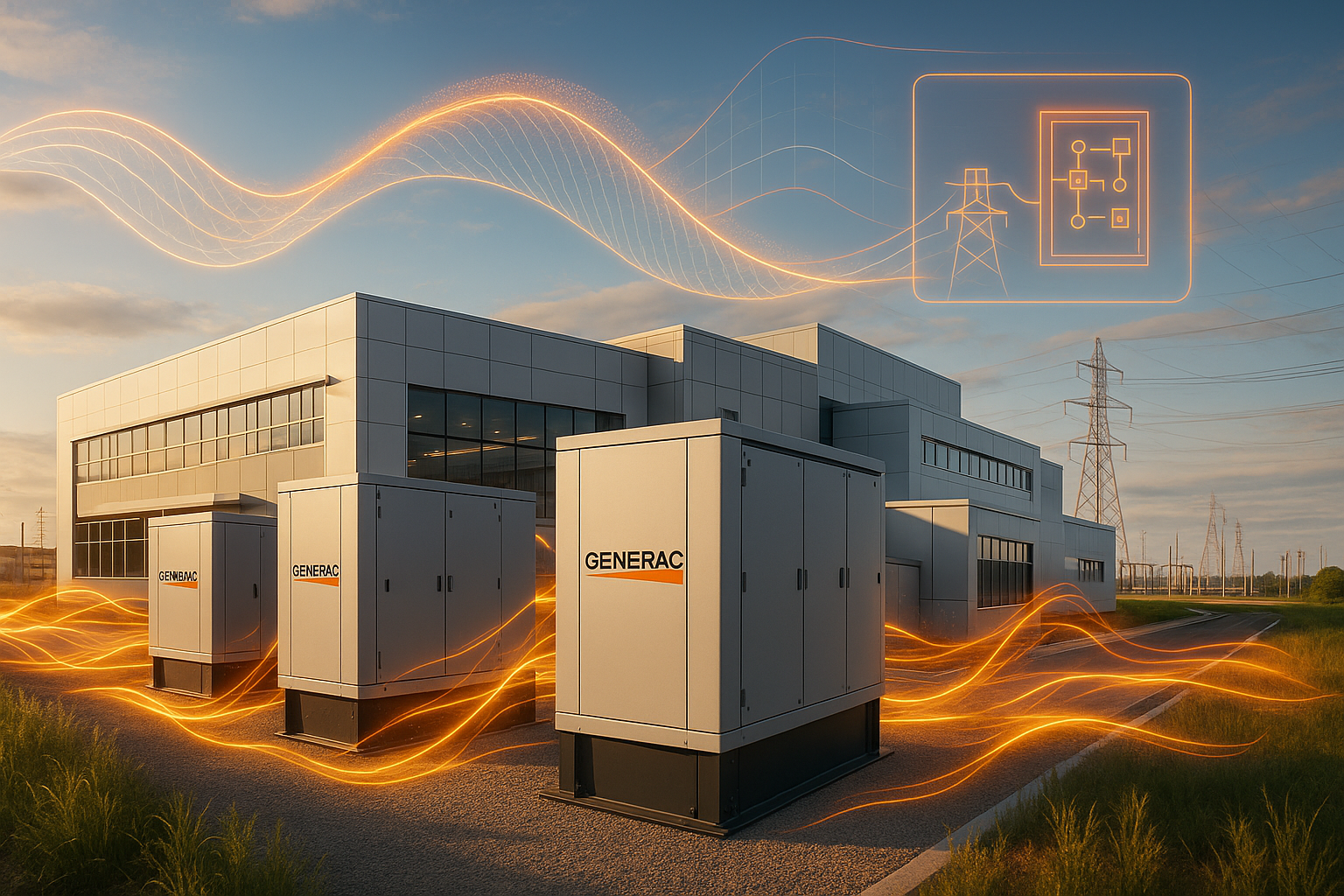
Behind-the-meter power solutions, particularly on-site natural gas plants, have emerged as critical stopgap measures to circumvent grid interconnection delays and power shortages, with projects often involving 300 to 500 megawatts of capacity. While these solutions provide speed and certainty, they raise long-term environmental concerns and financial risks due to decade-long contracts, and U.S. regulatory frameworks currently limit their integration with grid supply, unlike more flexible European models.
Forecasts from BloombergNEF and Goldman Sachs reveal a staggering near doubling of U.S. data center power demand by 2027, from 31 GW to 66 GW, potentially accounting for 8.5% of peak summer electricity consumption. This surge exacerbates grid instability risks and drives up electricity costs, particularly in the Mid-Atlantic and Northwest, while supply chain shortages, labor deficits, and inflated upfront electricity deposit costs further complicate timely project delivery and inflate execution risks, especially for first-time developers.
Scaling AI data center energy infrastructure is a complex, multi-year endeavor requiring phased development and proven expertise, as rapid gigawatt-scale expansions within a year remain unrealistic. Industry leaders emphasize the need to deliver energy solutions that are cheaper, cleaner, and more reliable than the grid, often relying on on-site or adjacent generation to bridge capacity gaps. Despite ambitious projections, only about 3 gigawatts of AI data center capacity were completed in the U.S. last year, underscoring the significant technical, logistical, and regulatory hurdles ahead.



Hyperscalers Rewrite the Playbook
Tech giants like Meta and OpenAI are driving a shift to power-first strategies—investing billions in custom energy solutions and early community engagement to secure their AI ambitions.
Meta Platforms is setting a new benchmark in hyperscaler infrastructure investment with its $50 billion, 5 GW Hyperion AI campus, which is not only a response to soaring AI compute demands but also a catalyst for regional power planning transformations. This massive project exemplifies how hyperscalers are proactively collaborating with utilities to drive shifts in transmission and clean energy integration, aiming to alleviate grid constraints while supporting unprecedented compute loads.
OpenAI’s leadership openly acknowledges the relentless pace at which AI compute demand outstrips supply, intensifying power grid pressures and fueling a fierce global infrastructure arms race. Navigating this landscape, OpenAI balances aggressive expansion with the realities of soaring grid tensions and construction bottlenecks across the U.S., illustrating the tightrope hyperscalers walk between scaling capacity and managing regulatory and energy challenges.
Hyperscale AI data centers are increasingly adopting a power-first strategy that prioritizes behind-the-meter energy innovations to mitigate skyrocketing grid tensions and costs. This shift reflects a broader industry trend where operators invest in self-funded grid enhancements and early community engagement to address public outcry and regulatory scrutiny, striving to demonstrate long-term local value and environmental responsibility amid the construction of roughly 700 new U.S. data centers.
Investor and developer strategies are evolving to factor in local political dynamics and regulatory uncertainties as critical determinants of project viability, with certainty becoming a competitive advantage. This recalibration is evident in hyperscalers like QTS abandoning large-scale projects such as the 2,100-acre Digital Gateway campus in Northern Virginia, signaling a strategic pivot toward more cautious, community-aligned site selection and development approaches.

Community Pushback Shapes the Future
Local resistance, fueled by economic and environmental anxieties, is forcing data center developers to prioritize genuine public benefit and sustainability over unchecked growth.
Community resistance to AI data centers is largely driven by tangible economic and environmental concerns, such as rising utility and water bills, which highlight the necessity for responsible and cooperative development practices. In Virginia, for example, residents experienced increased electricity costs due to insufficient safeguards, underscoring the imperative that "electricity bills cannot go up" and water must be recycled to prevent similar hikes. Yet, public approval can reach up to 50% when data centers operate under strict environmental and economic rules and engage communities as partners rather than imposing projects unilaterally.
The economic promise of AI data centers is undeniable, with governments like Australia’s celebrating their role in fostering growth and tempering inflation. However, this expansion also crystallizes a philosophical tension between aggregate economic gains and the less quantifiable impacts on local quality of life, as communities grapple with the trade-offs between prosperity and environmental or social disruption. This dynamic is further complicated by the fact that job creation, while real, is often overstated—Brookings estimates industry-sponsored studies exaggerate employment figures by a factor of three—and that tax incentives frequently subsidize facilities yielding minimal long-term local benefits.
AI data center growth challenges conventional environmental and ethical frameworks, as rapid expansions frequently bypass meaningful community consultation and encroach on protected or pristine lands, prompting legal battles like those in Scotland. Regulatory inconsistencies exacerbate this, with data centers facing less scrutiny than housing developments despite their outsized environmental footprint. Pragmatic solutions advocate mandating genuine renewable energy use—moving beyond mere carbon offsets—and prioritizing siting on barren or abandoned lands to harmonize innovation with sustainability, reflecting a growing consensus that unchecked growth is neither socially nor environmentally tenable.
The ethical discourse surrounding AI data centers is nuanced, recognizing AI’s transformative benefits in medicine and genome sequencing while critiquing frivolous applications and the concentration of power among tech elites like Sam Altman and Elon Musk. Alternative public investment models, such as the UK’s £2 billion government fund that invites open bids from companies of all sizes to explore AI’s societal benefits, exemplify efforts to democratize AI development and counterbalance private-sector dominance. This approach underscores a broader imperative to ensure AI infrastructure growth aligns with equitable access and ethical stewardship rather than merely enriching a privileged few.