AI data centers spark emissions surge and grid chaos in texas
The gist
A runaway boom in AI data centers is turbocharging Texas’s gas-fired power buildout, triggering a projected 20% surge in U.S. power sector emissions and pushing the state’s grid to the brink.
What to know
- Texas hosts a third of the U.S.’s 378 GW AI-linked gas power pipeline—including Amazon’s record-breaking GW Ranch—fueling the largest emissions spike in the country.
- A 474 GW backlog for grid hookups—over five times Texas’s peak demand—has forced regulators to slam the brakes, stalling or killing $170 billion in projects nationwide.
- With China sprinting ahead on renewables, the U.S. is locking in decades of fossil-fuel dependence for AI, as supply chain woes and stricter rules push companies to look overseas.
AI Data Centers Fuel Pollution Surge
A wave of gas-fired power plants for hyperscale AI data centers—led by Amazon’s Texas megaproject—has triggered the largest U.S. emissions spike in decades and sparked fierce backlash over broken climate pledges and community impacts.
The rapid proliferation of on-site natural gas power plants to fuel hyperscale AI data centers, exemplified by Amazon's Texas facility permitted to emit more carbon annually than any other U.S. power plant, is driving a dramatic surge in national power sector emissions. This expansion, facilitated by regulatory rollbacks under the Trump administration, has enabled faster data center development but often at the expense of broader climate and community considerations, locking in decades of pollution and contradicting corporate climate pledges such as Amazon's retreat from its 2040 net zero goal.
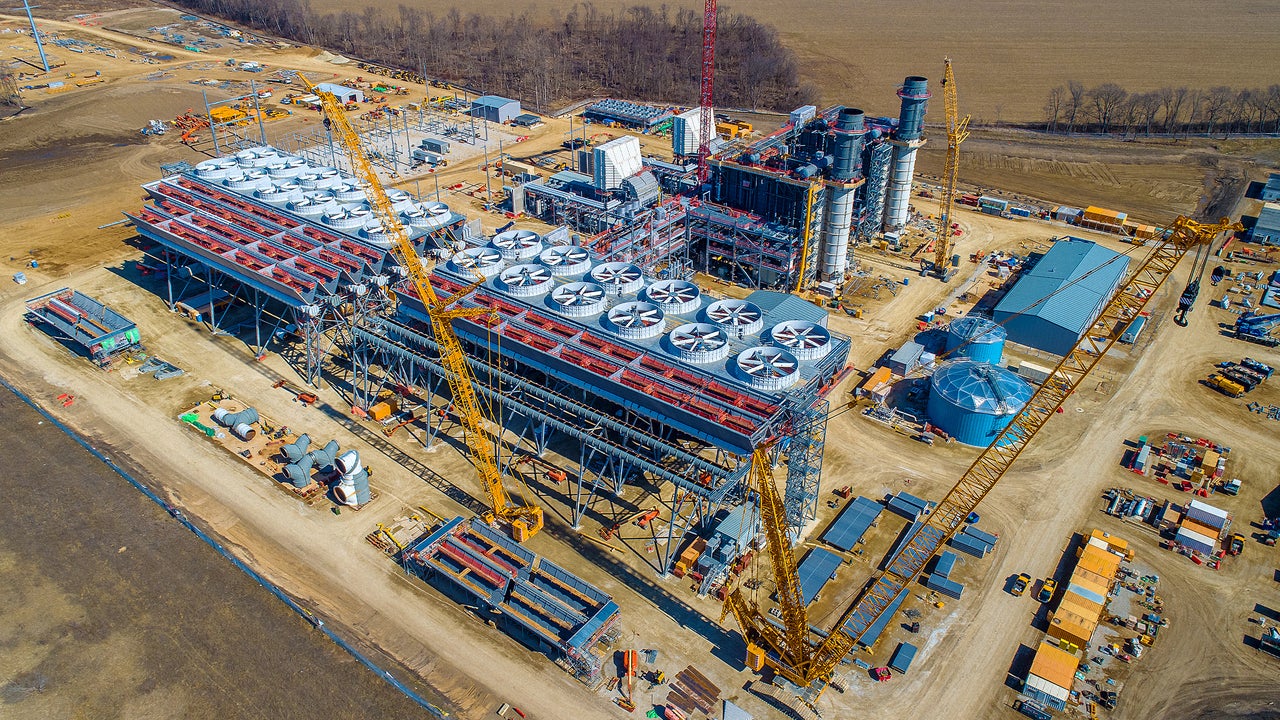
The U.S. is experiencing an unprecedented gas-fired power plant boom tied to AI data centers, with capacity in development ballooning from 252 GW to 378 GW since January 2026—nearly a third of the global total and more than triple China's pipeline. This surge threatens to increase U.S. power sector emissions by up to 20%, as many new plants rely on smaller, less efficient turbines due to a backlog of advanced models, further exacerbating pollution and environmental harm. Texas stands out as a hotspot, hosting a third of the national pipeline including the massive 7.65 GW Amazon-backed GW Ranch project.
This gas-fired expansion starkly contradicts U.S. climate commitments and has sparked growing environmental and community backlash, with residents concerned about rising emissions, water shortages, and escalating power bills. Two-thirds of over 800 planned data centers are sited in drought-stricken regions, fueling opposition and prompting dozens of local restrictions. Experts like Jenny Martos warn that this trajectory locks the nation into dependence on volatile fossil fuel costs and decades of pollution, undermining urgent climate goals and public trust.
Beyond emissions, AI data centers impose significant environmental strain through massive water consumption, with individual facilities using up to 19 million liters daily—comparable to a town of 50,000 people—exacerbating resource stress amid climate-induced droughts. Meanwhile, official government estimates have drastically underestimated the true carbon footprint of AI data centers, as seen in the UK where revised figures increased projected emissions by a factor of over 100, highlighting the gap between industry climate claims and reality. Major tech companies like Microsoft, Amazon, and Google have seen their carbon emissions rise by 20% largely due to AI energy demands, underscoring the environmental cost of the AI boom.



States Clamp Down on Data Centers
Mounting public and political opposition has driven Texas, New York, and Pennsylvania to impose moratoriums, stricter reviews, and new requirements on AI data centers, targeting environmental, water, and grid reliability concerns.
In response to the overwhelming surge of AI data center power connection requests—such as Texas’s staggering 474 GW queue, exceeding five times peak demand—regulators have implemented more rigorous screening processes to prioritize projects with higher execution likelihood and mitigate risks of electricity supply delays. Texas’s temporary halt of standard review processes now includes evaluations of ownership, governance, public incentives, and resource consumption, while PJM grid operators propose requiring data centers to reduce grid usage and switch to backup power during emergencies, reflecting a growing regulatory emphasis on grid reliability and resource management.
Several states have enacted moratoriums and tightened regulatory frameworks to address mounting environmental, water usage, and community concerns linked to rapid data center expansion. New York Governor Kathy Hochul’s one-year ban on new hyperscale data centers consuming over 50 MW, coupled with a statewide environmental permit freeze, exemplifies this stringent stance. Similarly, Pennsylvania has excluded data centers from expedited permitting, demanding local community approval, self-generation of power, or full grid connection cost payments, with Governor Josh Shapiro emphasizing corporate responsibility to be 'good neighbors' and ensure transparency.
The regulatory tightening is fueled by bipartisan political support and widespread public opposition driven by concerns over rising electricity costs and quality of life impacts. Texas Governor Greg Abbott’s call to pause new data center approvals, citing the strain of 420 GW of new electrical connections, underscores this shift. Public sentiment mirrors this unease, with a Gallup poll showing 70% of Americans opposing new local data centers and Politico reporting opposition within three miles of homes rising from 28% to 41% in just six months, fueling political incentives to slow-walk or restrict approvals ahead of the midterms.
The combined effect of regulatory bottlenecks, moratoriums, and intense community pushback has led to significant delays and cancellations of data center projects, directly impacting the expansion of gas-fired power plants designed to meet AI demand. Between January 2024 and May 2026, at least $170 billion worth of projects have been stalled or scrapped, with over 500 U.S. jurisdictions imposing restrictions. Permitting delays alone can extend timelines by 18 months or more, while grid interconnection waits stretch years, complicating efforts to rapidly scale power infrastructure amid growing environmental and social scrutiny.

Grid Bottlenecks Threaten Billions
Texas’s unprecedented 474 GW grid queue has created a choke point for AI data center development, risking billions in delayed revenue as regulators and supply chain woes slow new connections.
The explosive demand for power grid connections from AI data centers, particularly in Texas, has created an unprecedented bottleneck, with the ERCOT queue swelling to approximately 474 GW—over five times the state's peak demand of 91 GW. This congestion threatens nearly 20% of the U.S. data center development pipeline, risking delays that could impact up to $8 billion in revenue by early 2027, underscoring the critical financial and operational stakes tied to grid access.
In response to these grid connection backlogs, Texas has implemented stringent new regulatory reviews that scrutinize data center projects beyond mere power needs, evaluating ownership structures, resource consumption, and community impacts to prioritize developments with realistic execution prospects. This regulatory tightening, alongside emerging environmental and permitting hurdles in states like New York and Pennsylvania, adds layers of complexity that further slow infrastructure scaling and raise the bar for project viability.
Beyond regulatory and queue challenges, the physical infrastructure required to support AI data centers faces acute supply chain and logistical constraints. Shortages of critical components such as transformers, gas turbines, and heavy-haul transport equipment—exacerbated by strained maritime and rail cargo capacity—are delaying project timelines. As Craig McGraw highlights, the difficulty lies not just in hauling oversized equipment but in securing legal and safe transport routes, a challenge compounded by aging infrastructure and geopolitical disruptions affecting ports like Vancouver, Washington.
The gap between AI data centers announced and those fully operational reflects the broader struggle to scale power infrastructure amid limited grid expansions and prolonged permitting processes. With projected AI data center power demand by 2028 at 44 GW vastly outpacing the expected 25 GW of grid additions, and with lead times for infrastructure development stubbornly long, some companies are relocating GPU-intensive projects to countries like Mexico and Australia where regulatory and supply chain conditions are less restrictive. This shift highlights the systemic challenges in U.S. power infrastructure delivery that extend beyond generation capacity to encompass permitting, grid access, and supply chain bottlenecks.



U.S. Bets Big on Gas, China on Renewables
While China races ahead with renewable-heavy grid expansions, the U.S. is locking in decades of fossil fuel use by tripling its gas-fired power pipeline for AI—even as Texas alone rivals entire countries’ gas capacity.
While China continues to dominate the overall power infrastructure race with annual grid capacity additions exceeding 540 gigawatts—more than ten times that of the U.S.—its energy expansion is increasingly focused on renewables and a diversified mix including coal and nuclear. By contrast, the U.S. has surged ahead in gas-fired power plant construction specifically to meet the colossal electricity demands of hyperscale AI data centers, with gas capacity under development nearly tripling China's and reaching 378 gigawatts by mid-2026. This shift reflects a strategic divergence: China’s government-driven push to site data centers in renewable-rich rural areas contrasts sharply with the U.S.’s rapid, gas-fueled buildout driven by deregulation and market forces, locking in decades of fossil fuel dependence despite significant environmental concerns.
The U.S. has effectively overtaken China in the sprint to build gas-fired capacity for AI data centers, with projects under construction doubling to 189 gigawatts in just six months and now representing a third of the global gas power pipeline. Texas plays a pivotal role, accounting for roughly a third of this pipeline—122 gigawatts—surpassing the planned gas capacity of many entire countries. However, industry leaders like Exawatt CEO Hanan Happy caution that scaling such infrastructure is a formidable challenge due to regulatory hurdles and workforce limitations, underscoring that while the U.S. leads in gas capacity for AI, it still lags behind China in overall power infrastructure capabilities.