AI hiring revolution hits snags as scams surge, forcing recruiters to double down on human judgment
The gist
As AI transforms hiring, a wave of sophisticated scams is forcing recruiters to double down on human judgment and advanced security to keep talent pipelines trustworthy.
What to know
- By early 2026, companies like HireRight and Greenhouse are battling a surge of AI-generated fake profiles and scam communications, driving major investments in threat detection.
- AI-powered hiring assistants from Workday and others now automate scheduling and candidate screening, slashing hiring cycles from weeks to under 1.5 weeks.
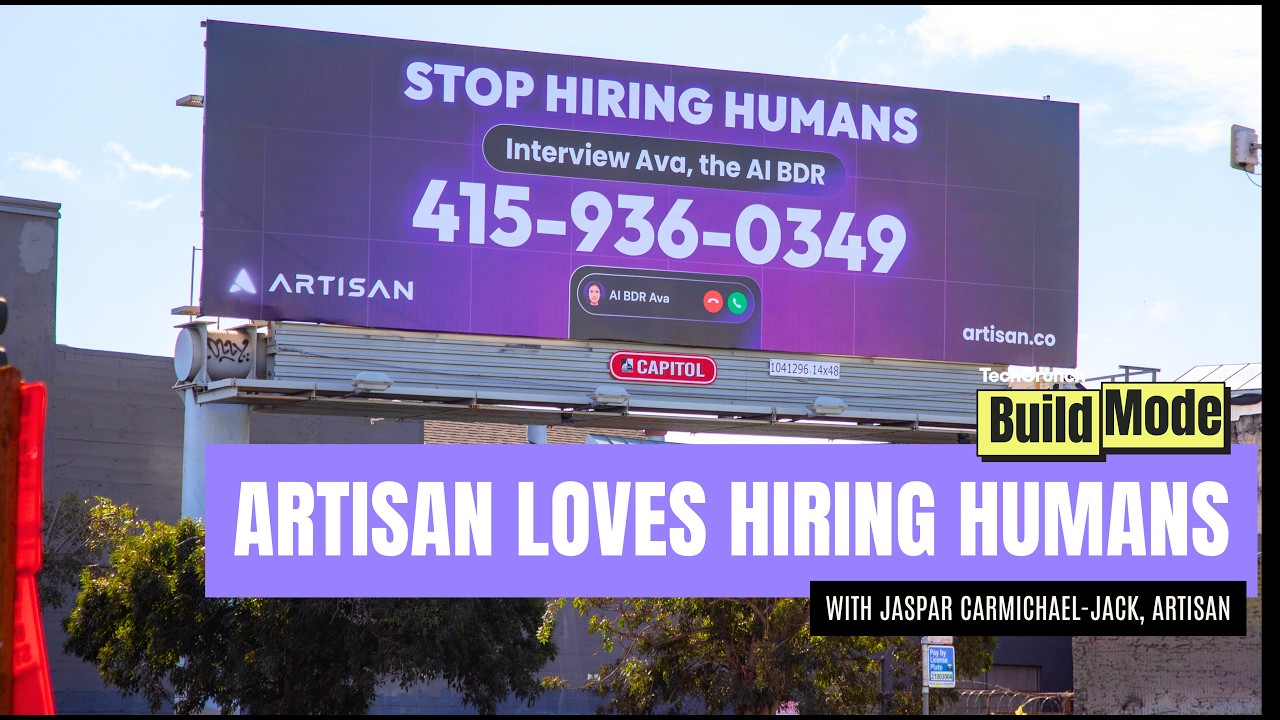
- Leading firms like Artisan and PwC blend AI automation with human oversight, prioritizing mentorship, upskilling, and early-career hiring to build resilient, future-ready teams.
AI Scams Disrupt Hiring
AI-generated fake profiles and scam communications are overwhelming recruiters, forcing major investments in cybersecurity and verification just to keep hiring on track.
By early 2026, recruiting pipelines have become prime targets for AI-driven scams and spam, significantly complicating the hiring landscape. These malicious AI applications flood applicant tracking systems with fabricated profiles and fraudulent communications, causing delays and misallocation of resources for companies like HireRight and Greenhouse. This surge not only exacerbates existing hiring challenges but also heightens cybersecurity risks, forcing organizations to invest heavily in advanced threat detection and verification protocols to safeguard their talent acquisition processes.

Automation Transforms Recruitment Flow
Agentic AI platforms now handle everything from complex scheduling to skill assessment, letting recruiters focus only on top candidates and cutting hiring times to record lows.
By early 2026, AI-powered hiring assistants like Workday’s agentic AI have revolutionized recruitment workflows by automating complex scheduling tasks that traditionally bottlenecked industries with irregular shifts, such as healthcare. This platform not only synchronizes calendars to effortlessly arrange interviews at odd hours but also enhances interview quality by providing real-time skill feedback and resume analysis, thereby reducing manual, repetitive tasks and improving operational efficiency at minimal computational cost.
Multimodal AI hiring assistants have become indispensable in candidate selection by intelligently filtering and ranking applicants based on a comprehensive aggregation of data, ensuring recruiters focus only on qualified and genuinely interested candidates. As demonstrated at Tree Hacks 2026 and in platforms that limit job postings to well-matched candidates, this targeted approach drastically simplifies the hiring funnel, reducing application volume and streamlining decision-making.
Agentic platforms such as Linear Agent and the 'talent navigator' are redefining recruitment by integrating diverse organizational contexts—from Slack communications to customer interactions—into proactive, context-driven workflows. This shift from reactive task execution to intelligent prioritization enables recruiters to cut hiring cycle times dramatically, with some platforms reducing the process from 4-6 weeks to under 1.5 weeks, while also extending their impact across software development lifecycles to boost overall productivity and time to market.


Human Judgment Powers Resilience
Leading firms are redesigning hiring around human insight—using AI as a force multiplier while doubling down on mentorship, upskilling, and early-career recruitment to future-proof their teams.
As AI-driven automation reshapes recruitment workflows, companies like Artisan underscore the indispensable role of strategic human hiring to build resilient teams capable of navigating the evolving AI era. Rather than viewing AI as a replacement, organizations are fundamentally redesigning workflows to augment human creativity and strategic thinking by offloading mundane tasks to AI, ensuring that human judgment remains central to talent acquisition and workforce readiness.
The most effective talent strategies in 2026 blend AI’s efficiency with human intuition and experience, treating AI tools as a ‘superpower’ that turbocharges recruiters’ capabilities. As one analyst noted, AI-generated outputs—like a 40-page document produced in hours—are only as valuable as the human perspective directing them, highlighting the necessity of collaborative human-AI processes to unlock true innovation and solve complex hiring challenges.
To maintain workforce readiness amid AI disruption, firms such as NLB Services and PwC emphasize human-centric collaboration, continuous upskilling, and expanded entry-level programs. PwC’s recommitment to hiring early-career workers—who bring adaptability and neuroplasticity essential for AI collaboration—alongside companies like Reddit and IBM, reflects a strategic balance between automation and nurturing human talent pipelines for long-term organizational agility.
Leadership plays a pivotal role in balancing AI automation with human oversight by investing in mentorship and comprehensive AI training to build trust and cultural continuity. For instance, FM transformed senior employees into full-time mentors to accelerate knowledge transfer, while mortgage industry leaders implemented mandatory weekly AI training sessions to overcome resistance and deepen adoption. As one executive put it, the future hinges less on AI deployment volume and more on the 'trust, judgment, and human infrastructure' leaders preserve.