AI orchestration drives warehouse automation shift
The gist
Warehouse automation’s $150B boom in 2026 isn’t about flashy robots—it’s AI orchestration, human leadership, and smarter workflows that drive real value (and keep people safe).
What to know
- AI-powered robots now handle standardized warehouse tasks while experienced workers move into supervisory roles, but fewer than 10% of operators fully leverage AI agents due to ongoing training gaps.
- Companies like Locus Robotics and Servo7 are leading with Robotics-as-a-Service and dynamic task allocation, slashing costs and making automation more modular and scalable than ever.
- Serious safety improvements come from AI-driven vision and predictive maintenance, but rising warehouse fatalities reveal human oversight and robust protocols are still mission-critical.
Human-AI Teams Take Charge
Integrated human-AI workflows and polyfunctional robots are driving operational excellence, as experienced workers move into higher-value supervisory roles and mixed reality tech accelerates workforce upskilling.
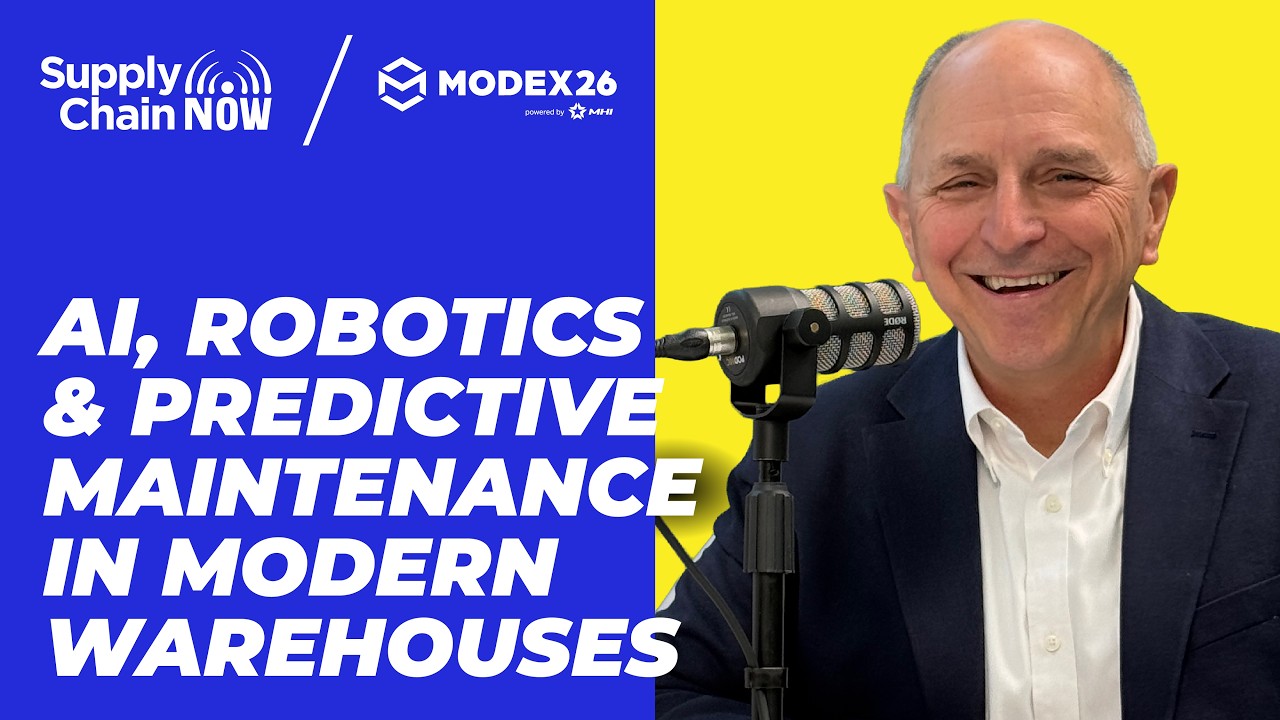
In 2026, warehouse automation has matured beyond simple labor replacement to embrace deeply integrated human-AI collaboration that enhances operational excellence even in challenging environments. This evolution is marked by the rise of polyfunctional robots that outperform humanoids in standardized tasks, while human operators focus on exception management and supervisory roles, as highlighted by Kyle Smart and Cody Upp who emphasize redeployment of experienced workers to higher-value tasks. Vinh Tran’s problem-first approach, combining SLAM navigation with human-centric AI workflows and rapid training, exemplifies how structured, gradual integration fosters strong operator acceptance and cost efficiency amid a $150 billion automation boom.
Operator training remains the critical linchpin unlocking the full potential of AI-powered warehouse automation, yet a persistent skill gap challenges widespread adoption—less than 10% of workers can fully leverage deployed AI agents today. This gap underscores the importance of human workflow trust and bottleneck management, as well as the need for vendor-led education and clear roadmaps to support supply chain executives pressed for time, as noted by industry experts advocating for continuous iteration and human-centered integration over rushed deployments.
Emerging technologies such as mixed reality and advanced AI colleagues are revolutionizing warehouse workspaces by enabling intuitive, real-time human-robot interaction that enhances workforce upskilling and acceptance. Automated mobile robots (AMRs), designed to augment rather than replace human capabilities, reduce physical strain and improve safety by reassigning high-risk, repetitive tasks, while integrated 'Terminal + Brain' systems orchestrate seamless coordination between humans and robots to manage operational bottlenecks dynamically, as detailed in recent analyses on material flow and worker safety.
Despite rapid advances in autonomy, fully 'lights out' warehouse operations remain a distant future as human-in-the-loop roles are indispensable for real-time adjustments, maintenance, and robot support. Experienced operators transitioning to fleet management roles, such as AGV tenders overseeing automated vehicle fleets, exemplify the evolving workforce that balances automation with human judgment, ensuring smooth operations and elevating job quality. This flexible automation trend particularly benefits smaller and mid-sized operators by incrementally raising automation levels without sacrificing human oversight.


Orchestration Over Hardware Hype
Warehouse leaders are winning by prioritizing AI-driven orchestration and human-centric workflows over flashy robots, unlocking true efficiency through strategic, iterative deployments and operational flow.
By 2026, warehouse automation has decisively shifted from a hardware-centric race to a problem-first, human-centric approach that prioritizes deep operational understanding and workflow design over flashy product launches. Leaders like Vinh Tran and companies such as MyBull exemplify this trend by integrating advanced SLAM navigation with human-AI workflows, emphasizing strategic patience and continuous iteration to unlock true operational flow and cost efficiency amid the booming $150 billion AI-powered robotics market. This mirrors successful methodologies in CleanTech and AI robotics globally, underscoring that operational excellence arises from marrying robotic repeatability with human insight rather than rushing deployments.
The critical competitive edge in 2026’s warehouse automation landscape lies not in standalone robotic hardware but in AI-driven orchestration that harmonizes human decision-making with machine capabilities. As highlighted by major retailers investing over $100 million yet achieving only about 50% capacity utilization, fragmented automation strategies falter without seamless operational orchestration. This human-machine symbiosis, championed by human-centric leadership and teamwork, transforms isolated point solutions into scalable, efficient workflows, unlocking massive value and operational excellence across entire distribution centers.

AI Safety Nets and Real Risks
Advanced AI vision and sensor systems are transforming warehouse safety and predictive maintenance, but a surge in real-world fatalities exposes the urgent need for robust protocols and human oversight.
By 2026, AI-driven vision and sensor technologies have become foundational to enhancing warehouse safety and operational excellence, enabling smarter, scalable automation that integrates seamlessly with RFID and robotics systems. Events like Modex 2026 highlight how pre-engineered AI-powered solutions simplify complex logistics through real-time inventory visibility and fleet coordination, as demonstrated by Multiway Robotics’ deployment in a 5,000-location Malaysian warehouse, which synchronizes data with ERP and WMS platforms to support predictive maintenance and optimize route planning.
The fusion of human-centric oversight with cutting-edge AI-powered robotics is redefining operational reliability and safety protocols across warehouses, balancing rapid automation with trust and accountability. ABB Robotics’ Flexley Stack F712 autonomous forklift exemplifies this trend by using Visual SLAM navigation to eliminate infrastructure modifications, while Kognitiv Spark’s RemoteSpark enhances frontline worker safety through improved remote expert guidance, addressing critical friction points in assisted-reality adoption.
Despite these technological advances, safety challenges persist, underscored by a 71% year-on-year rise in UK warehouse fatalities related to moving vehicles, which has intensified calls for robust safety protocols and automation safeguards. Autonomous forklifts equipped with obstacle detection, anti-collision systems, and emergency stop functions, such as those deployed by Multiway Robotics, are pivotal in mitigating these risks and sustaining 24-hour operations with enhanced safety and reliability.
Operational excellence increasingly depends on AI-driven predictive maintenance and real-time decision-making embedded within warehouse management and transportation systems, yet widespread transformation is hindered by foundational issues like data quality, fragmented vendor ecosystems, and workforce training gaps. Moreover, a Kore.ai study revealing that 70% of enterprises cannot trace AI failures to specific agents highlights a critical governance gap, emphasizing the urgent need for transparent AI accountability frameworks to mitigate financial and compliance risks in complex multi-agent warehouse environments.
Modular Automation, Real ROI
Flexible Robotics-as-a-Service models and AI-powered orchestration software are replacing hardware-centric strategies, enabling scalable, cost-effective automation that unifies robots, humans, and real-time decisions.
By 2026, the warehouse automation market is surging towards a $150 billion valuation, propelled by the integration of AI-powered robotics with advanced orchestration software that transcends traditional hardware-centric approaches. Companies like Locus Robotics exemplify this shift by offering flexible Robotics-as-a-Service (RaaS) subscription models, enabling rapid scaling of robot fleets to meet fluctuating demand without heavy capital expenditure. This transition to AI-driven orchestration, as Jon Roberts of Inteq emphasizes, is where automation ROI is truly won or lost, as Warehouse Execution Systems (WES) unify robotics, equipment, and human operators into a cohesive, adaptable control environment that supports real-time decision-making and operational flexibility.
The evolution from isolated robotic hardware to modular, AI-orchestrated systems is critical for scalable warehouse automation, with modular goods-to-person solutions and brownfield modernization enabling incremental deployments that maximize ROI and minimize disruption. Industry leaders like Kardex and Libiao Robotics highlight how flexibility in automation—through phased rollouts and scalable sorting robots—allows warehouses to pivot quickly in response to changing market conditions, unlocking operational agility essential for handling unpredictable demand and growth. This modularity, combined with integrated power and charging solutions such as ENRX IPT GmbH’s wireless inductive charging, ensures seamless workflow continuity and energy management, further cementing the competitive edge of integrated AI orchestration.
Advanced AI orchestration is not only optimizing robot fleet coordination but also enhancing human-robot collaboration by dynamically allocating tasks and enabling agentic AI to autonomously manage routine decisions, thereby elevating human roles to strategic oversight. Servo7’s wheeled humanoid robots, which learn tasks through live human demonstrations, showcase how imitation learning and AI orchestration can tackle complex, unstructured problems like unloading loose-loaded containers without facility redesign. This human-centric, software-first approach ensures that warehouse automation systems remain adaptable, efficient, and scalable, with continuous software updates extending robot longevity and reducing total cost of ownership.