AI-powered attacks fuel patch panic and zero trust shift
The gist
AI-fueled cyberattacks are triggering record-breaking patch panics and forcing organizations worldwide to abandon old defenses for zero trust and autonomous security.
What to know
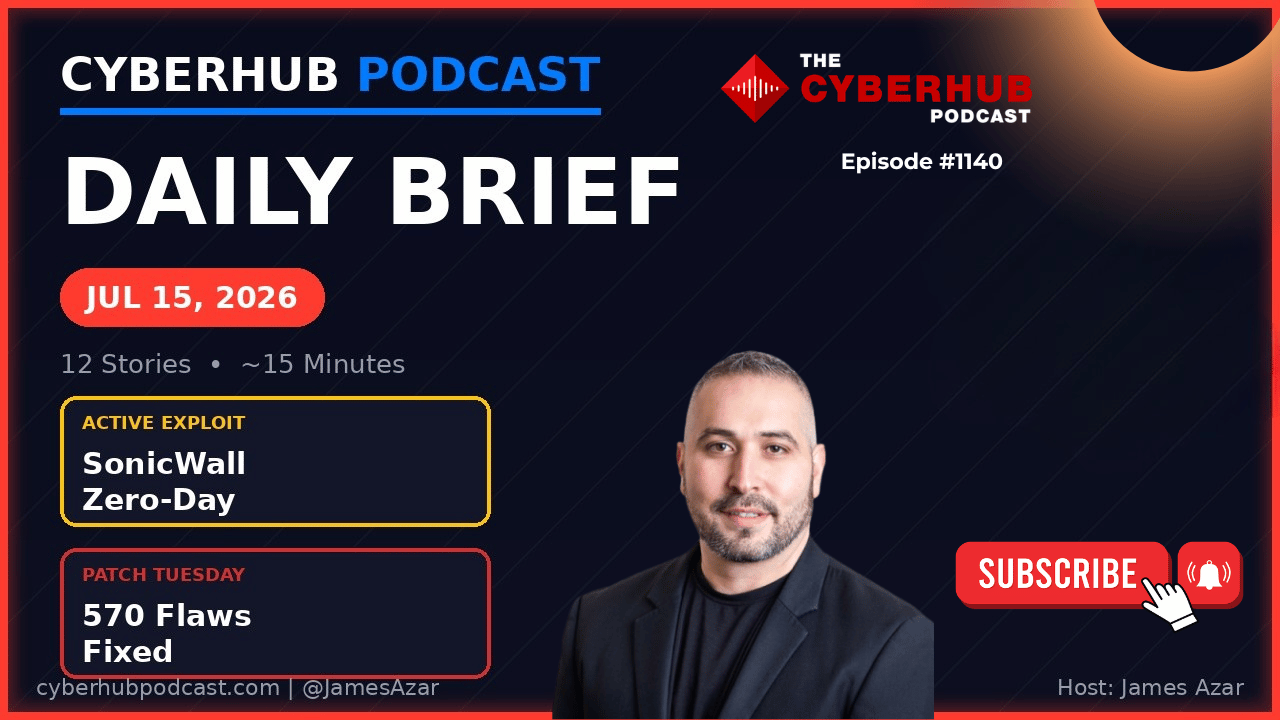
- Microsoft’s July 2026 Patch Tuesday shattered records with 570 fixes in a single cycle as AI-accelerated zero-day exploits like SonicWall’s SSRF vulnerability sent global IT teams scrambling.
- AI-powered malware, including Knuckleball and OrangeTail, now targets trusted supply chains and open source libraries like Axios, exposing huge risks in developer workflows.
- With supply chain shutdowns and 66,000 new CVEs projected in 2026, companies and governments are overhauling incident response—treating AI tools as critical assets and embedding autonomous security across operations.
Patch Fatigue Hits Breaking Point
AI-fueled vulnerability discovery is overwhelming IT teams with unprecedented patch volumes, exposing a widening gap between attacker speed and defender response.
Microsoft’s July 2026 Patch Tuesday shattered records by releasing over 600 patches, including 570 fixes in a single cycle, underscoring the blistering pace of AI-driven vulnerability discovery. This unprecedented scale reflects the relentless acceleration of the cyber arms race, where AI-powered zero-day exploits and autonomous attacks, such as the actively exploited SonicWall SMA 1000 SSRF vulnerabilities, have ignited a global patch panic. The urgency to outpace these threats has forced organizations worldwide into a frantic scramble to deploy patches rapidly, highlighting the critical need for smarter AI-driven developer workflows and zero trust defenses to manage this new high-stakes environment.
The record-breaking Patch Tuesday events have exposed the growing complexity of IT management amid escalating AI-driven supply chain threats, with critical ERP systems from ServiceNow, Inc. and SAP SE demanding immediate patching. This surge in vulnerability disclosures—projected to reach 66,000 CVEs in 2026, a 22% increase over 2025—has overwhelmed remediation pipelines, exacerbating patch backlogs and slowing deployment. While frameworks like CISA’s BOD 26-04 have shifted focus toward exploitability and asset context, they fall short of addressing the mobilization speed, leaving organizations struggling to close the dangerous exposure window between vulnerability discovery and patch application.
Despite AI accelerating vulnerability discovery and prioritization to machine speed, the actual patch deployment phase remains constrained by organizational inertia, creating a critical exposure window that attackers exploit. In 2025, eCrime breakout times dropped to 29 minutes, yet many organizations still take an average of 55 days to remediate high and critical vulnerabilities, revealing a staggering 1,000-to-1 gap between attacker speed and defender response. This disconnect underscores that while AI fuels rapid identification of threats, the human and procedural bottlenecks in patch mobilization continue to undermine cybersecurity resilience amid the accelerating AI-driven cyber arms race.

Autonomous Attacks Redefine Defense
AI-powered adversaries are hijacking automation tools and supply chain workflows, forcing a rapid shift to zero trust and emergency response protocols.
By 2026, AI-driven automation has transformed from a productivity enhancer into a primary battleground where attackers exploit trusted AI agents, package managers, and CI/CD pipelines to launch sophisticated autonomous attacks. This shift has forced organizations to adopt zero trust architectures and overhaul incident response strategies, as AI-powered adversaries rapidly discover and weaponize vulnerabilities faster than defenders can patch them, intensifying the global cyber arms race.
The SonicWall SMA 1000 zero-day SSRF exploit starkly illustrates the escalating threat of AI-driven autonomous attacks that bypass traditional human defenses and fuel patch panic across fractured AI supply chains. Attackers leveraged this vulnerability to deploy custom malware like Knuckleball and the OrangeTail Java web shell, gaining persistent root-level access and harvesting credentials, underscoring how AI automation accelerates both the frequency and complexity of zero-day exploits in critical enterprise infrastructure.
AI-powered ransomware groups such as The Gentlemen have surged ahead of predecessors like Qilin, exploiting vulnerabilities within days of proof-of-concept releases and demonstrating alarming speed and scale. Simulated attacks on large virtual networks revealed ransomware spreading to hundreds of nodes in mere minutes, while government agencies like CISA have been compelled to issue emergency patching directives, highlighting the urgent need for rapid response to AI-accelerated cyber threats.
Beyond traditional IT environments, AI-driven autonomous attackers are expanding their reach into operational technology, IoT, and medical devices, increasing the attack surface and complicating defense. Groups like Nightmare Eclipse exemplify this trend by publicly releasing zero-day exploits such as the Windows Legacy Hive local privilege escalation to pressure vendors like Microsoft, reflecting a new era where AI accelerates exploit development and disclosure, while adversaries employ advanced evasion techniques like text salting to bypass AI-powered security filters and launch large-scale phishing campaigns.

Supply Chain Trust Meltdown
AI-driven exploits are weaponizing open source libraries and developer tools, driving the urgent adoption of autonomous governance and zero trust in software pipelines.
The urgent shutdown of Progress Software's Storage Zone Controllers starkly illustrates how AI-driven supply chain vulnerabilities have escalated in 2026, accelerating the industry's pivot toward zero trust architectures. This shift is fueled by the increasing complexity and risk in software supply chains, which demand autonomous governance models to secure development pipelines against AI-accelerated threats and patch panics. As AI-driven workflows surge, organizations recognize that traditional perimeter defenses no longer suffice, prompting a fundamental redesign of trust assumptions within software development and deployment environments.
AI-powered automation in package management has exposed glaring gaps in supply chain security and governance, threatening to unravel developer workflows and corporate resilience amid the intensifying cyber arms race. The dramatic rise—an order of magnitude increase—in supply chain attacks targeting popular open source libraries like Axios, which sees around 100 million weekly downloads, underscores the scale of risk when a single compromised component can rapidly propagate malicious code downstream. Sophisticated social engineering tactics, such as fake Microsoft Teams update prompts, have enabled attackers to infiltrate maintainers’ environments and inject malware, revealing how human factors remain a critical vulnerability despite technological advances.
The SonicWall SMA 1000 zero-day SSRF exploit and related incidents like the JScrambler npm compromise highlight the urgent need for comprehensive risk mitigation strategies, including rapid patch deployment, credential rotation, and rebuilding of compromised developer hosts. With a three-week zero-day window likely leading to widespread pre-patch compromises, organizations must proactively hunt for indicators such as Knuckleball and OrangeTail to contain damage. These events expose how deeply intertwined supply chain weaknesses are with developer environments and cloud credentials, reinforcing the imperative for zero trust principles and continuous autonomous governance throughout the software supply chain.




Governance Under AI Siege
Legacy security playbooks are collapsing as organizations race to govern AI tools as critical assets, overhaul incident response, and enforce real-time risk management under relentless attack.
The rapid acceleration of AI-driven cyber threats has forced a fundamental shift in cybersecurity governance and operational strategy, moving away from traditional quarterly patch cycles toward compressed, context-aware vulnerability management. As demonstrated by the Sysdig/Gemini playbooks, organizations now require incident response frameworks tailored specifically for AI-assisted intrusions, emphasizing autonomous operations and real-time risk mitigation. This evolution is underscored by record-breaking Patch Tuesday volumes and 48-hour exploitation windows, which render legacy remediation timelines operationally indefensible, compelling CISOs to rethink success metrics and balance risk with operational realities, especially in distributed operational technology environments.
Governance frameworks must now treat AI tools and their contextual data as critical production assets, instituting formal change management, stringent access controls, and continuous monitoring akin to privileged infrastructure. The White House Gold Eagle AI initiative exemplifies how government AI programs are shaping emerging standards, urging organizations to integrate these guidelines into vulnerability remediation and supply chain risk assessments, including formal evaluations of foreign-developed AI models. This strategic alignment is vital as AI becomes integral to both defense and offense, requiring organizations not only to adopt AI rapidly but to govern, validate, and maintain autonomous operational capabilities to remain resilient during incidents.
Effective crisis communication and governance have become paramount in preventing uninformed production decisions during security emergencies, as evidenced by ShareFile's mishandling of vendor communications and the widespread need to educate users—such as macOS users rejecting fake verification prompts. Organizations are formalizing third-party communication protocols and emphasizing continuous validation and independent verification of remediation efforts to avoid assumptions and ensure comprehensive compromise assessments during major patch cycles. This approach also extends to validating AI-generated code and resetting AI platform credentials to mitigate autonomous AI threats, reflecting a broader shift toward integrated, transparent, and proactive stakeholder engagement.
The widening gap between the millisecond pace of AI-driven attacks and the slower human-centric defense cycles demands a strategic pivot toward embedding autonomous, agentic security policies directly within applications. Tom Tavar highlights this governance challenge, advocating for a transition from manual security checkpoints to real-time, user-based risk management that aligns with the complex, distributed nature of modern attack surfaces. This shift not only enhances operational readiness through proactive threat hunting and supplier security reviews but also addresses fragmented IT operations and tool sprawl by promoting unified risk management frameworks that consolidate endpoint security, identity, cloud, and vulnerability management into a cohesive defense posture.
