AI-powered biohubs and cloud labs redraw the blueprint for drug discovery
The gist
AI-powered biohubs and cloud labs are shattering biotech’s old limits, turning drug discovery into a high-speed, data-fueled team sport that promises true medical breakthroughs.
What to know
- AI-native platforms like Terray’s EMMI and Ginkgo Bioworks’ modular automation are tripling the efficiency of potency optimization and making lab infrastructure as flexible as the cloud.
- Mega-collaborations—think Chan Zuckerberg Initiative’s biohubs and NVIDIA-Lilly’s billion-dollar partnership—are fueling breakthroughs with massive, standardized datasets and interdisciplinary teams.
- With AI now designing therapies and automating experiments, scientists are shifting from repetitive tasks to bold, patient-centered innovation—though legacy data woes and evolving regulations still loom.
AI Labs Become Cloud-Native
AI-driven automation and modular robotics are transforming laboratory infrastructure into flexible, scalable engines that empower startups and giants alike to accelerate discovery and generate high-quality datasets.
The rapid ascent of AI-native infrastructure and foundational platforms is fundamentally transforming the biotech landscape, enabling unprecedented speed and efficiency in drug discovery, data analysis, and operational workflows. Early breakthroughs, such as Terray’s EMMI platform—built on a dataset of over 13 billion compound–target measurements and its proprietary COATI molecular foundation model—demonstrated a threefold increase in potency-optimization efficiency, setting the stage for a new era of integrated, AI-powered research. This momentum has only accelerated as companies like Owkin have launched biology-focused AI co-pilots on platforms like AWS Marketplace, offering agentic SaaS solutions that streamline procurement and deployment of sophisticated research workflows, further cementing AI infrastructure as the backbone of modern biotech innovation.
Agentic AI platforms are redefining the research process by automating hypothesis generation, biological inference, and experimental design, allowing scientists to iterate rapidly and at scale. Collaborations such as BenchSci and Mila’s multi-year partnership to develop predictive and generative models exemplify this trend, as do the emergence of tools like Chai-2, which can generate high-quality, structurally validated monoclonal antibodies with remarkable efficiency. By extending capabilities to challenging targets like GPCRs and peptide–MHC complexes, these platforms are not only accelerating discovery but also expanding the frontiers of what’s possible in therapeutic design.
The integration of automation, robotics, and AI-native infrastructure is collapsing traditional R&D timelines and democratizing access to advanced experimentation. Ginkgo Bioworks’ shift to modular, reconfigurable automation systems—described by CEO Jason Kelly as making lab infrastructure 'as flexible as cloud computing'—has enabled standardized, high-throughput experimentation and the creation of new, high-quality datasets essential for modern machine learning. This fusion of automation and AI not only rewrites cost structures but also empowers thousands of new biotech startups to test ideas and accelerate discovery at a pace previously reserved for industry giants.
AI-native infrastructure is also driving a paradigm shift in data generation and utilization, with a growing emphasis on producing large, standardized, and context-rich datasets specifically to train and improve foundational models. As highlighted by initiatives like the Chan Zuckerberg Initiative’s Biohub and the acquisition of Evolutionary Scale and ESM3, the biotech sector is increasingly oriented toward collaborative, large-scale scientific efforts that feed AI models, rather than merely analyzing existing data. This model-centric approach is fostering the development of virtual cells, digital twins, and other advanced biological models that promise to revolutionize precision medicine and drug discovery.
Biohubs Forge Data-Driven Alliances
Massive, interdisciplinary biohubs and open data collaborations are building the computational and scientific muscle needed to unlock virtual cell simulations and truly personalized medicine.
The emergence of large-scale, cross-institutional data collaborations is fundamentally reshaping the landscape of biotech innovation, with interdisciplinary biohubs like those led by the Chan Zuckerberg Initiative (CZI), NVIDIA-Lilly, and Cellular Intelligence setting the pace. These biohubs unite scientists, engineers, and AI experts under one roof, leveraging private capital and strategic acquisitions—such as CZI’s integration of Evolutionary Scale and its ESM3 protein model—to build robust, context-rich datasets that fuel AI-driven discovery. By fostering open science and long-term, risk-tolerant research environments, these initiatives are not only accelerating biomarker discovery and drug development but also laying the groundwork for transformative breakthroughs like virtual cell simulations and true N-of-1 precision medicine, which promise to tailor treatments to each individual’s unique biology.
Collaborative data initiatives are also redefining how biotech tackles complex diseases, as seen in partnerships like BostonGene-Kyoto University, Nucleai-University of Glasgow, and Parse Biosciences-Graph Therapeutics. By integrating multi-omic and single-cell sequencing data with advanced AI platforms, these collaborations are generating massive, high-quality datasets that enable predictive biomarker discovery, improved patient stratification, and more efficient clinical trial design. This shift toward open data sharing and active learning not only reduces the risk of costly late-stage failures but also accelerates the translation of biological insights into precision therapies, with companies like BostonGene and AstraZeneca leveraging multimodal AI to optimize oncology drug development and clinical outcomes.
The rise of biohubs is catalyzing a new research paradigm where data collection is increasingly designed to improve AI models, rather than solely for traditional hypothesis-driven inquiry. As Mark Zuckerberg and Priscilla Chan emphasize, the pace of AI development now dictates the speed of biological breakthroughs, prompting a strategic shift toward generating the massive, diverse datasets needed to train next-generation models. Supported by technology leaders and private investment, these biohub networks are building the collaborative infrastructure and computational muscle required to move from trial-and-error science to data-driven, AI-powered precision medicine at scale.
Major pharma and tech partnerships, exemplified by the $1 billion NVIDIA-Lilly AI co-innovation lab, are investing heavily in continuous learning systems that bridge wet and dry labs, integrate robotics, and support biotech startups. These interdisciplinary efforts not only enhance experimentation and supply chain reliability but also reflect a broader industry trend toward platformizing manufacturing workflows and sharing both successes and failures. As the cell and gene therapy sector evolves into a long-term ecosystem, the collective intelligence of these collaborative biohubs is poised to scale bespoke therapies to broader patient populations and transform the economics of drug discovery.


AI Spurs Radical Drug Breakthroughs
The biotech sector is abandoning incrementalism as AI platforms enable the creation of therapies previously deemed impossible, pushing the industry toward genuinely novel medicines and operational models.
The biotech industry is undergoing a seismic shift from incremental drug improvements to the pursuit of true breakthroughs, driven by the commoditization of legacy platforms like monoclonal antibodies and the ballooning costs of drug approvals, now averaging $2.5 billion per therapy. As Lada Nuzhna and Elliot Hershberg argue, the only viable path forward is to invent medicines that are literally impossible to make without entirely new tools—tools that AI is now beginning to provide. This transformation is not just a matter of technological progress, but a strategic imperative as traditional infrastructures threaten to hollow out the industry unless radically new approaches are adopted.
AI-powered platforms are catalyzing the operationalization of next-generation therapies across the drug discovery pipeline, from antibody design to regenerative medicine. Companies like Chai Discovery are leveraging AI to generate full-length monoclonal antibodies with high preclinical quality, while Recursion Pharmaceuticals’ AI-discovered REC-4881 is showing promising clinical results for rare diseases like Familial Adenomatous Polyposis. Meanwhile, Cellino and Polyphron are industrializing personalized regenerative medicine through autonomous iPSC manufacturing, and advances in AI-driven tissue engineering are making end-to-end, reproducible production of bespoke therapies a reality.
Breakthroughs in oncology and rare diseases are being accelerated by AI models that enable rapid, large-scale analysis and design. Pierre Fabre’s partnership with Iktos is emblematic of this trend, using generative AI and automated chemistry to fast-track novel oncology candidates, while Microsoft Research’s GigaTIME and Natera’s collaboration with NVIDIA are harnessing multimodal AI stacks and foundation models to decode tumor microenvironments and improve biomarker discovery. These advances are not only expediting the transition from hypothesis to IND-ready molecules, but also enabling precision medicine at unprecedented scale.
AI is fundamentally changing the way scientists approach drug discovery, shifting from sequential, stepwise optimization to simultaneous, multi-parameter design and massively parallel hypothesis testing. Platforms like Boltz and Cellular Intelligence empower researchers to design, test, and iterate on human-ready molecules with smaller budgets and greater speed, integrating autonomous labs and self-improving experimental engines. As a result, the throughput of discovery projects is rising, and the industry is moving from isolated molecule stories to integrated, tech-enabled pipelines that can address multiple indications and patient needs in parallel.



Legacy Data and Regulations Lag
Outdated data standards and slow-moving regulatory frameworks are the chief obstacles to AI adoption, forcing biotech to overhaul its data infrastructure and push for more agile oversight.
The convergence of AI and biotech is fundamentally challenged by the escalating costs and inefficiencies that have long plagued drug development, with approval expenses now reaching a staggering $2.5 billion per therapy. As Elliot Hershberg describes, the very infrastructure that once propelled breakthroughs like monoclonal antibodies has become commoditized, threatening to hollow out the industry unless entirely new operational models—and medicines impossible without next-gen tools—are invented. This existential pressure is driving the sector to rethink everything from R&D workflows to business models, demanding a leap beyond incremental improvements.
A persistent operational bottleneck in AI-powered biotech is the inadequacy of legacy data, which is often messy, inconsistent, and lacking critical metadata, rendering it unsuitable for modern machine learning. Industry leaders like Jason Kelly of Ginkgo Bioworks and Saji from Benchling highlight the urgent need for massively standardized experimental datasets and the unlocking of data trapped in outdated formats—efforts that not only accelerate discovery but also avoid costly redundant experiments. Partnerships such as TetraScience and Thermo Fisher’s initiative to harmonize lab data into AI-native formats, and open-data collaborations like Tahoe Therapeutics with Arc Institute and Chan/Zuckerberg’s Biohub, are setting new standards for data quality and interoperability, both foundational for robust AI model validation and regulatory acceptance.
Regulatory acceptance remains a moving target as AI-generated documents and models begin to permeate the drug development pipeline, with early 2026 seeing clinical trial reports and IND submissions incorporating AI-generated content, though full NDA submissions remain on the horizon. Companies like Lundbeck note that while AI is being integrated piece by piece, the industry is still building trust with regulators, especially as advanced trials demand real-time data integration and nimble decision-making. Meanwhile, China's rapid investigator-initiated trials, particularly in Shanghai, are challenging the slower-moving American regulatory processes, intensifying the global race for AI-biotech leadership and highlighting the need for regulatory frameworks that can keep pace with technological advances.
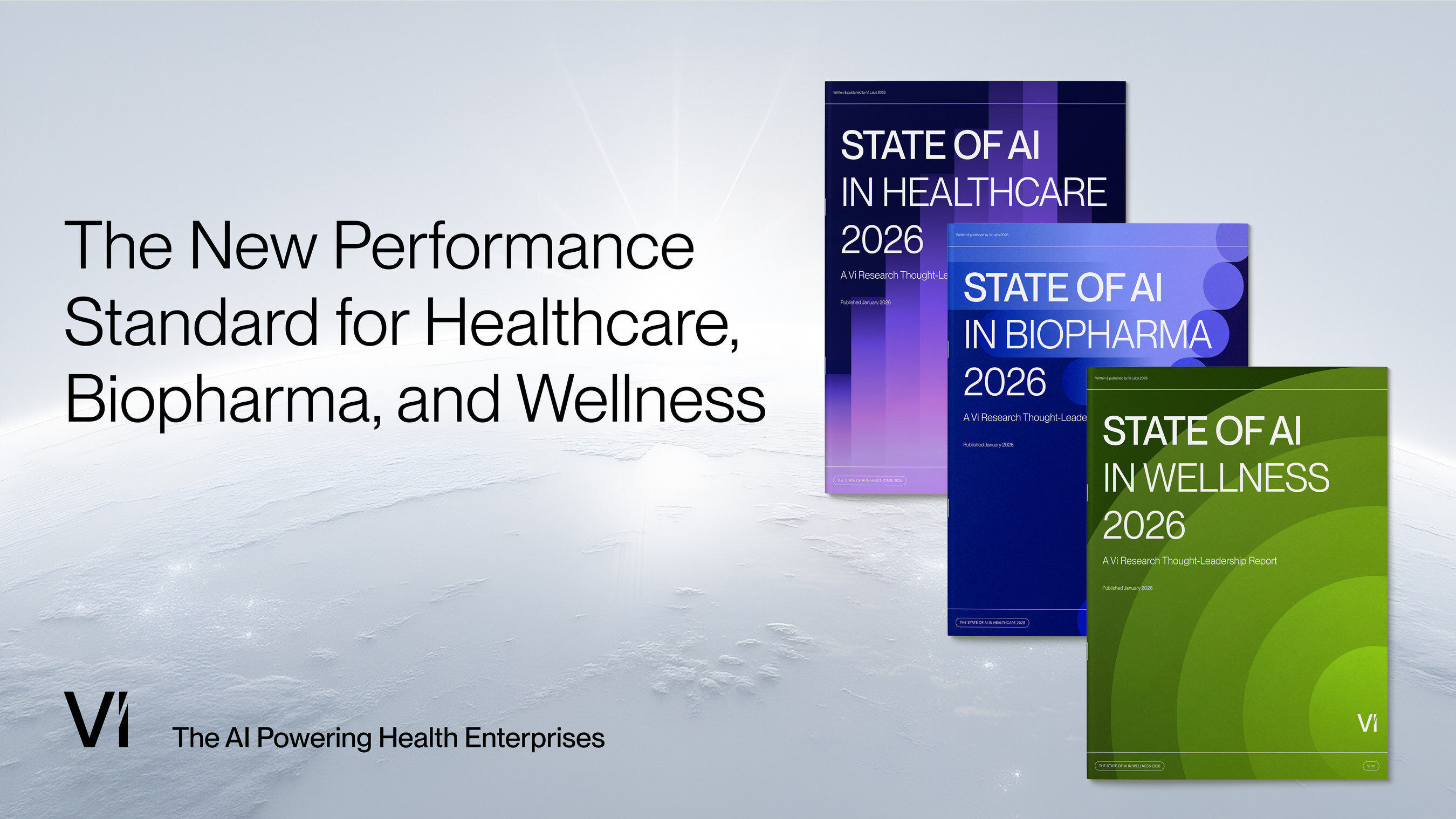
The operational transformation ushered in by AI is not just about speed, but about the very architecture of biotech organizations and their workflows. Platforms like Vi’s enterprise AI, now supporting over 190 million people, and Ginkgo Bioworks’ reconfigurable automation systems are collapsing R&D timelines and rewriting cost structures, enabling thousands of new biotech startups to test ideas at unprecedented scale. This shift is reflected in the emergence of new leadership roles—such as Chief AI Officers at Novo Nordisk and BioMarin—and the adoption of business models that prioritize flexible, modular infrastructure and workflow orchestration, signaling a sector-wide reset toward AI-native operations.

Scientists Shift to Bold Innovation
AI is liberating scientists from repetitive tasks, enabling cross-disciplinary teams to focus on creative discovery and patient-centric breakthroughs while integrating automation into every step of research.
The rise of AI-powered platforms like Converge Bio and Benchling marks a pivotal shift in the scientific enterprise, where interdisciplinary collaboration is no longer optional but essential. As CEO Dov Gertz of Converge Bio emphasizes, their generative AI lab is designed to complement—not replace—traditional wet labs, reflecting a new era where AI experts, engineers, and life scientists work in tandem to accelerate discovery. Benchling’s approach further illustrates this transformation, integrating models and automation directly into scientists’ workflows to relieve them of repetitive tasks and enable more ambitious, data-driven research.
By early 2026, the integration of AI into biotech workflows had moved beyond mere hypothesis generation to fundamentally altering the day-to-day responsibilities of scientists and healthcare professionals. Companies like Converge Bio rapidly expanded their teams and partnerships by leveraging AI for complex tasks such as antibody design and protein optimization, while platforms like Benchling enabled researchers to access and interpret vast troves of legacy data, reducing redundant experiments and compressing drug development timelines. This evolution is pushing scientists to not only generate ideas but also manage the intricate, regulated steps of drug development with AI as a close collaborator, bringing them closer to manufacturing and regulatory milestones.
The human element remains indispensable even as AI transforms clinical trial infrastructure and documentation. At Lundbeck, researchers embrace AI for molecule discovery and adaptive trial management, yet the company underscores that clinical trials still revolve around patient engagement and empathy—especially in rare diseases where patient advocates and clinicians play a vital role. Meanwhile, the adoption of generative AI for drafting protocols and clinical reports is streamlining regulatory processes, signaling a future where scientists increasingly rely on AI-assisted decision-making while maintaining a strong commitment to patient-centered care.
Major initiatives like the Chan Zuckerberg Initiative (CZI) exemplify the frontier of interdisciplinary collaboration, uniting world-class scientists, engineers, AI experts, and clinicians to tackle biology’s most complex challenges. Mark Zuckerberg and Priscilla Chan’s vision for a synchronized 'Frontier Biology Lab' and 'Frontier AI Lab' is a direct response to the shortcomings of traditional funding models, aiming to foster a virtuous cycle where AI models are continuously improved by experimental validation in wet labs. This approach is not only enabling the creation of massive datasets and virtual cell simulations but also redefining the role of scientists and healthcare professionals as architects of precision medicine—designing N-of-1 treatments tailored to each individual’s biology and ushering in a new era of personalized healthcare.
