Apple sues OpenAI as AI arms race heats up
The gist
Apple has fired a legal salvo at OpenAI, igniting a high-stakes battle for AI supremacy as Silicon Valley’s hardware and talent wars go nuclear.
What to know
- Apple is suing OpenAI for alleged 'brazen' trade secret theft, escalating a fierce legal and recruitment war over next-gen AI hardware.
- Nvidia leads the trillion-dollar AI chip race but faces mounting challenges from power grid strains, geopolitical friction, and public pushback over massive data center expansion.
- With $600 billion in annual AI infrastructure spending and the Clarity Act poised for U.S. passage, global AI governance is at a tipping point amid rising techno-nationalism and regulatory showdowns.
Silicon Valley's AI Showdown
Apple’s lawsuit against OpenAI is just the tip of a surging battle for AI talent, trade secrets, and innovation dominance, revealing how legal warfare and recruitment raids are redrawing the power map of next-gen hardware.
In a dramatic escalation of Silicon Valley's AI turf war, Apple has launched a high-stakes lawsuit accusing OpenAI of 'brazen' trade secret theft, marking a rare and severe legal confrontation over intellectual property in the AI sector. This lawsuit not only highlights the fierce competition for proprietary technology but also underscores the broader AI arms race reshaping tech sovereignty and innovation leadership in 2026. By targeting OpenAI, Apple signals its intent to aggressively defend its AI hardware advancements amid intensifying global pressures and market ambitions.
The legal battle between Apple and OpenAI is deeply intertwined with an escalating talent war that is redefining Silicon Valley’s AI landscape. Both companies are aggressively vying for top AI hardware engineers and leadership talent, fueling a fierce competition that extends beyond courtrooms into recruitment and corporate culture. This talent poaching frenzy, coupled with leadership turmoil, reflects the high stakes of controlling not only AI intellectual property but also the human capital critical to sustaining innovation momentum amid the AI revolution.
Beyond the courtroom and recruitment battles, the Apple-OpenAI conflict exemplifies the urgent need for robust governance frameworks as escalating techno-nationalism and regulatory challenges complicate the AI arms race. Their confrontation spotlights the fragile balance between protecting trade secrets and fostering open innovation, raising critical questions about how Silicon Valley—and the world—will manage the intersection of legal disputes, talent dynamics, and geopolitical pressures shaping AI’s future.




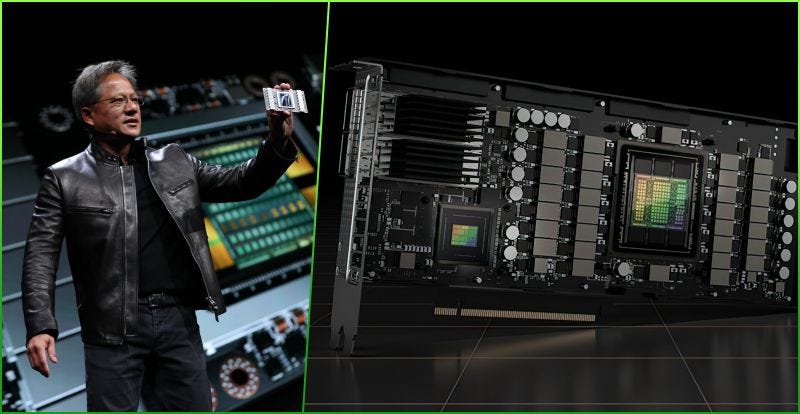
Nvidia’s Race Faces Headwinds
While Nvidia reigns over AI infrastructure, mounting power grid strains, geopolitical friction, and public resistance threaten to upend the trillion-dollar expansion and force a reckoning over the future of global AI hardware.
Nvidia continues to dominate the AI hardware and infrastructure landscape, leveraging its leadership in custom AI chips and cost-efficient infrastructure to set an almost insurmountable pace in the trillion-dollar AI arms race. Despite this dominance, the company faces significant challenges from power grid constraints and geopolitical tensions that are bottlenecking hyperscalers’ trillion-dollar investments in data center expansion, underscoring the capital intensity and strategic complexity of scaling AI infrastructure globally.
The rapid expansion of AI infrastructure is fueling tens of thousands of new data center jobs and driving massive capital expenditures—now estimated at $600 billion annually, with chips alone accounting for about half of this spend. However, this growth is tempered by waning public support, energy grid strains, and escalating data center moratoriums, which together reflect broader techno-nationalist tensions and raise concerns among policymakers and industry leaders about the sustainability and geographic distribution of AI hardware investments.
Hyperscalers are aggressively bleeding cash to sustain an unprecedented AI infrastructure boom, intensifying a fierce competition not only in hardware but also in foundational AI models and scalable, cost-efficient infrastructure. OpenAI’s GPT-5 launch exemplifies this strategic shift toward economical AI intelligence, signaling a new battleground where token pricing wars and infrastructure scalability are as critical as raw computational power, reshaping developer roles and productivity across the ecosystem.
Amid this high-stakes environment, legacy players like Intel face existential pressure to overhaul their strategies and secure massive capital infusions to remain relevant in the AI chip wars. Meanwhile, the fractured value capture within the trillion-dollar AI ecosystem highlights the uneven distribution of gains, where dominant firms like Nvidia reap outsized benefits while startups grapple with capital intensity, shifting workloads, and supply chain complexities that raise the barriers to entry in this fiercely competitive global arms race.






AI Governance at a Breaking Point
As the Clarity Act nears passage and U.S.-China tensions escalate, rival tech giants and governments are scrambling to shape diverging AI safety laws and regulatory frameworks, risking a fragmented global order for artificial intelligence.
By mid-2026, AI governance stands at a critical legislative crossroads, with the Clarity Act enjoying a 70% chance of passage before the August recess, reflecting growing political momentum to regulate AI and blockchain amid deepening partisan divides. This surge in legislative activity underscores the challenge of balancing AI’s productivity gains with the need for clear, enforceable frameworks that can navigate the fraught political and technological landscape shaping AI’s future.
The global AI arms race is increasingly defined by techno-nationalism, with the U.S. and China locked in strategic governance battles that extend beyond technology to regulatory influence and geopolitical positioning. China’s leadership at WAIC 2026 and its imminent Mythos-level AI model launch exemplify this dynamic, as Beijing promotes a governance model appealing to the Global South while enforcing opaque cybersecurity protocols and export controls. Meanwhile, AI chip regulations initiated under the Trump administration have intensified these tensions, fueling a high-stakes showdown that complicates efforts to harmonize safety, privacy, and civil rights protections.
Within this fractured global landscape, industry actors like Anthropic push for tougher state-level AI safety laws than OpenAI’s unified approach, highlighting divergent regulatory philosophies amid bipartisan gridlock and entrenched techno-nationalism. Meanwhile, the Apple-OpenAI legal battle over trade secrets spotlights the urgent need for robust governance frameworks that can address escalating competitive and regulatory challenges worldwide, ensuring that innovation does not come at the expense of ethical oversight and strategic stability.
Amid accelerating AI adoption—54% of UK firms using AI in 2026—experts emphasize that effective governance must evolve from rigid control to dynamic calibration, integrating meaningful human oversight as mandated by regulations like the UK’s Article 22 and the EU AI Act becoming enforceable in December 2026. This approach recognizes AI’s irreversible decision-making capabilities and the governance gap between technological potential and societal readiness, calling for adaptable frameworks that balance speed, safety, and trust while addressing compliance risks, shadow AI usage, and infrastructure challenges to sustain responsible enterprise deployment.