AI transforms supply chains from fragile to flexible in 2026
The gist
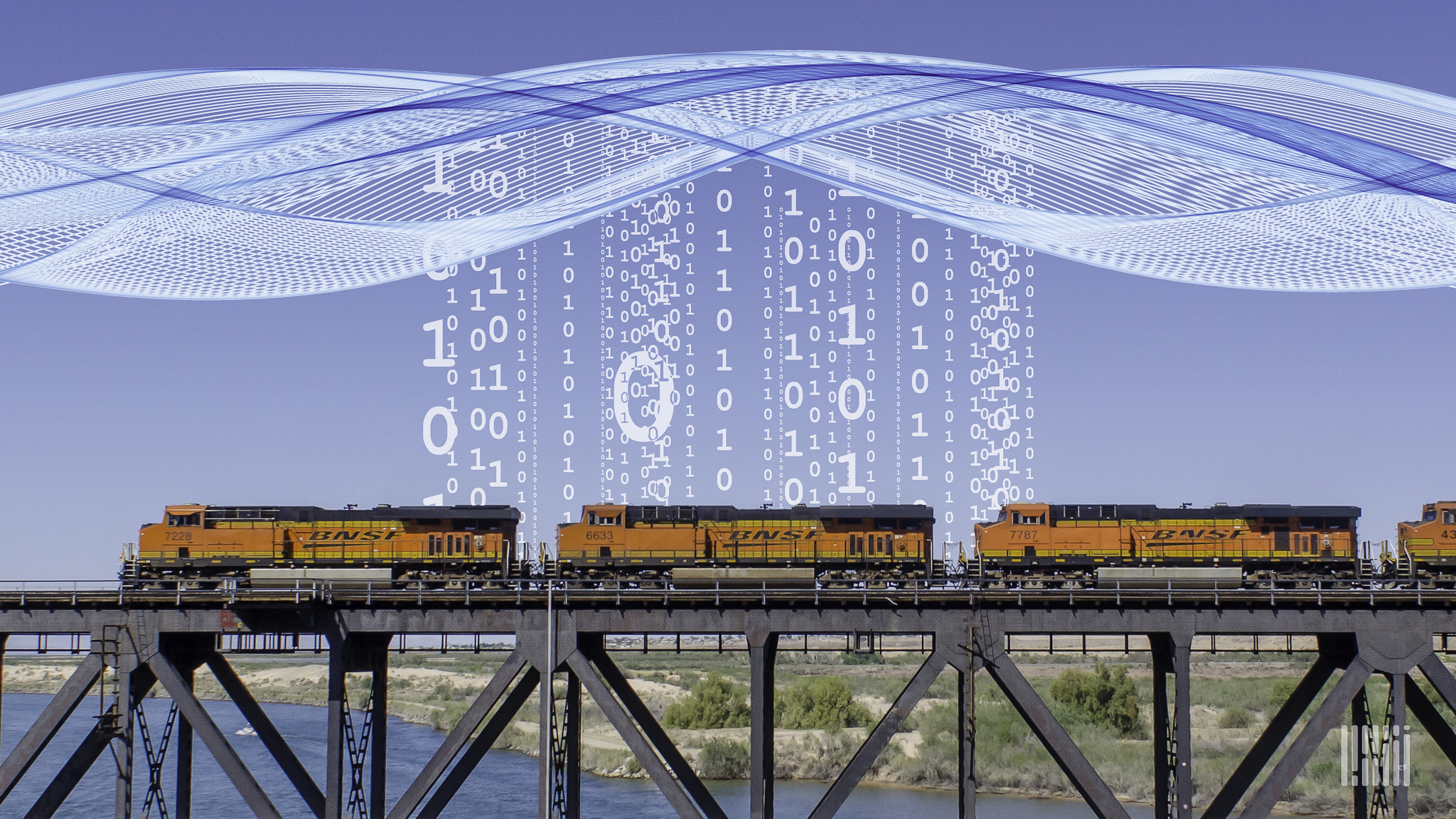
AI is turning supply chains from fragile, cost-cutting machines into resilient, self-adapting networks built to weather any disruption.
What to know
- By early 2026, agentic AI systems like those at Kraft Heinz autonomously manage up to 75% of supply chain planning, freeing humans for strategic oversight.
- AI-powered control towers and orchestration platforms such as Cleo Integration Cloud now consolidate real-time data, slashing $1.6 trillion in annual coordination failures.
- Last-mile delivery is an AI-driven battleground with platforms like Veho’s MaestroAI and FarEye’s PILOT boosting dispatcher productivity fivefold and enabling dynamic, cost-saving carrier selection.
AI Powers Proactive Resilience
AI-native platforms now drive scenario planning and risk mitigation, shifting supply chains from cost-focused rigidity to dynamic, shock-absorbing networks.
By early 2026, AI had begun automating routine tactical supply chain planning, freeing human leaders to focus on strategic what-if simulations that design resilient and adaptable networks. Don Hicks of Optilogic emphasized that supply chain planning and design must operate as parallel, symbiotic processes to break free from traditional constraints and build long-term resilience. This shift moves companies away from brittle, efficiency-optimized models toward AI-native platforms where autonomous agents generate scenarios and evaluate tradeoffs, enabling networks that can withstand volatility rather than merely optimize for cost.
The integration of prescriptive and predictive analytics has transformed supply chain design from reactive efficiency models into proactive resilience strategies. Prescriptive analytics leverages historical data to identify vulnerabilities such as supplier risks and volatile SKUs, guiding decisions like dual sourcing and safety stock adjustments, while predictive analytics forecasts future disruptions and optimizes shipping modes to reduce costs without sacrificing service. Together, these analytics provide enhanced visibility and near real-time disruption alerts via APIs and webhooks, enabling faster, more informed risk mitigation and turning resilience into an offensive competitive advantage.
AI-driven automation and advanced software have revolutionized supply chain flexibility by enabling geographic realignment and adaptable fulfillment strategies. Roger Counihan of KPI Solutions highlighted how modern automation allows diverse products to be fulfilled from any location within a facility, replacing the rigid, lock-down processes of the past. Coupled with AI’s predictive capabilities that forecast fulfillment performance and potential downtime, companies are shifting from fragile, efficiency-optimized networks to resilient systems capable of absorbing shocks and maintaining service continuity across multiple geographies.
The growing complexity and interdependence of global supply chains, exacerbated by geopolitical tensions and labor shortages, have prompted a strategic rethinking of network design priorities—from cost-efficiency toward resilience and adaptability. European supply chain leaders now recognize that the cheapest networks falter under disruption, while AI-powered tools like scenario-based decision making and digital twins enable testing of extreme stress conditions rather than average scenarios. Don Hicks of Optilogic noted that holistic system design can yield resilience improvements of up to 15%, democratizing design decisions across enterprises and underscoring the critical role of data quality and a collaborative culture in sustaining long-term competitive advantage.


Modeling Layers Unlock Agility
Dedicated simulation layers and digital twins enable real-time, enterprise-wide decision-making, transforming fragmented planning into coordinated, predictive control.
By mid-2026, it became clear that traditional supply chain planning systems, designed primarily for execution, lacked the agility to rapidly reevaluate structural options during disruptions. The integration of a dedicated modeling layer capable of simulating routing, inventory, and network changes emerged as essential for enabling real-time, scalable decision-making. When this modeling layer directly feeds into planning systems, it fosters enterprise-wide alignment and accelerates coordinated actions, significantly enhancing operational control and resilience.
The rise of AI-powered integrated supply chain control towers has revolutionized visibility and responsiveness by consolidating data from suppliers, warehouses, production, and logistics into a unified decision layer. This shift from descriptive to predictive and prescriptive analytics empowers companies to anticipate disruptions, model scenarios, and optimize sourcing, inventory, and logistics decisions proactively. Digital twins, enriched with diverse data sources like ERP and IoT, further enable simulation of supply chain scenarios, allowing enterprises to optimize operations before physical implementation, thus reducing risk and improving execution.
Agentic AI and orchestration platforms have accelerated real-time operational control by continuously monitoring disruptions, coordinating responses across supply chain nodes, and automating execution with governance oversight. Leaders like Mahesh Rajasekharan of Cleo emphasize that coordination—not just visibility—is the paramount competitive advantage in next-generation supply chains. AI-driven orchestration addresses costly coordination failures that have historically drained $1.6 trillion annually from U.S. supply chains, enabling synchronization across planning, execution, and visibility functions to reduce friction and enhance performance.
AI-powered orchestration platforms like Cleo Integration Cloud exemplify the future of supply chain management by integrating diverse technologies such as API, MFT, and EDI to provide actionable intelligence and unified control over complex workflows. These platforms dynamically adjust to real-time disruptions, offering managers optimized options with clear financial impacts—such as adjusting sourcing splits or expediting shipments despite margin trade-offs—while humans retain final decision-making authority as orchestra leaders. This AI-human collaboration reduces decision latency, lowers the 'coordination tax,' and transforms supply chains from mere visibility tools into decision engines that accelerate issue resolution and optimize critical processes across trading partner networks.


AI Agents, Human Oversight
Agentic AI handles the majority of supply chain planning autonomously, while humans step in for exceptions and strategic calls, ensuring accountability and adaptability.
By mid-2026, agentic AI systems had emerged as transformative forces in supply chain management, autonomously pursuing business goals through real-time adaptive decision-making that transcends the rigidity of traditional automation. Companies like Kraft Heinz reported that 60-75% of their planning processes became fully autonomous, signaling a shift from manual, Excel-based functions to AI-driven orchestration that dynamically balances inventory and optimizes logistics. However, despite this significant autonomy, human oversight remains indispensable for managing exceptions, ensuring accountability, and mitigating risks from data errors, with humans acting as orchestra leaders who coordinate AI agents and make final decisions on costly or complex scenarios.
The integration of agentic AI into supply chains is not about replacing humans but enhancing their roles by offloading routine decision-making and enabling more meaningful work focused on exception management and strategic oversight. FarEye’s PILOT system exemplifies this Human-In-The-Loop model, boosting dispatcher productivity by up to five times while reserving human intervention for critical exceptions. This collaboration leverages AI’s ability to process dynamic cost and capacity data—such as deciding between owned trucks or third-party carriers like FedEx or UPS on an order-by-order basis—while humans maintain control over accountability and complex judgments, reflecting a future where AI acts as a highly intelligent co-pilot rather than a fully autonomous operator.
Last-Mile: AI’s New Battleground
Retailers now deploy AI-powered orchestration and crowdsourced fleets to balance rising costs, delivery speed, and customer loyalty in a fiercely competitive last-mile landscape.
By mid-2026, rising fuel costs exceeding $4 per gallon in the U.S. have propelled last-mile logistics beyond simple route optimization into sophisticated AI-driven delivery orchestration. This shift, championed by agentic AI systems, enables proactive, integrated management that connects all stakeholders and dynamically balances operational efficiency with cost pressures. While machine learning route optimization can improve efficiency by 15% or more, the true transformative power lies in embedding these capabilities within broader orchestration platforms that manage the entire delivery ecosystem in real time.
The traditional last-mile delivery duopoly of FedEx, UPS, and USPS is unraveling as 55% of retailers diversify carriers to meet consumer demands for faster, free shipping—now averaging 2.6 days down from 3.4. This diversification, driven by rising per-package costs and surcharges, has retailers adopting AI-powered platforms like Veho’s MaestroAI, which leverages 120,000 crowdsourced drivers to offer flexible, cost-effective options such as FlexSave. Reliability has become paramount, with 88% of shoppers reporting diminished loyalty after late deliveries, prompting over 90% of executives to run mixed carrier networks to safeguard service quality.
AI-driven automation and predictive analytics have become essential tools for last-mile delivery operators grappling with escalating costs, labor shortages, and soaring customer expectations for precise ETAs and real-time visibility. Cindy, a logistics expert, highlights that last-mile delivery has evolved into a mission-critical nexus of customer experience and cost structure, forcing fleet operators to strike an unprecedented balance between efficiency and service quality. AI agents now autonomously make real-time decisions—ranging from route adjustments to service risk predictions—transforming operations from reactive teams into intelligent, self-optimizing networks that reduce miles driven while increasing on-time performance and consistency.
The 'Amazon Prime effect' has intensified last-mile delivery complexity, consuming 40% of total supply chain costs and overwhelming human dispatchers with fragmented, high-stakes decision-making. AI agentic dispatchers like FarEye’s PILOT automate route planning, carrier sourcing, and real-time monitoring, boosting dispatcher productivity up to fivefold and enabling dynamic carrier assignment decisions based on live cost data. This AI orchestration is critical as retailers shift from store-centric to omnichannel strategies, managing hybrid delivery models that combine internal fleets with outsourced partners, where operational control and network visibility—not just spending—drive superior on-time delivery rates and cost containment amid uncontrollable pressures like fuel and driver availability.
Flexibility Trumps Legacy Systems
Escalating transportation costs and brittle legacy networks force shippers to embrace flexible, multi-modal strategies and real-time intelligence to protect margins and customer trust.
By mid-2026, supply chain leaders increasingly recognized that resilience hinges on real-time intelligence and AI-driven insights, enabling proactive responses rather than reactive fixes. However, decades of siloed planning, execution, and visibility systems created coordination failures that undermined responsiveness and customer experience. The patchwork of legacy systems—described as relying on 'WD-40, duct tape, and chewing gum'—proved unsustainable, risking customer loss as firms scaled and market disruptions intensified.
Transportation networks faced acute cost pressures due to volatile freight markets, with the SONAR Truckload Rejection Index peaking at 17.64% and truckload rates hitting an all-time high of $3.78 per mile in June 2026. This environment exposed the risks of rigid transportation programs dependent on single carriers and fixed modes, prompting shippers to adopt comprehensive network flexibility across six dimensions—including carrier, modal, geographic, facility, procurement, and network optionality—to adapt swiftly and cost-effectively. Notably, modal shifts to intermodal rail and LTL shipments offered significant cost relief, with intermodal contract savings averaging 23.78% year-to-date, more than double the prior year.
Rising transportation costs in 2026 were driven not just by shipment volume but by complex factors such as carrier yield, network intricacy, and operational inefficiencies, underscoring the limitations of static transportation rules. Melanie Burns highlighted that integrating data across parcel, LTL, and truckload modes is critical to optimizing spend and mitigating margin erosion caused by service failures like delays and lost packages. In parallel, escalating operational and regulatory costs pushed private fleet operators toward dedicated contract carriage models, which offer predictable costs, enhanced compliance, and real-time visibility through customized operational procedures.
The broader strategic shift toward supply chain resilience in 2026 was fueled by the convergence of digital and physical industries, with AI and technological innovation providing unprecedented insights across planning, procurement, production, and logistics. Studies from Jiangxi University emphasized that resilience depends on alleviating financing constraints, reducing supply chain concentration, and fostering innovation. This evolution challenged the traditional just-in-time model, vulnerable to shocks like the 2025 U.S. tariff impositions, and underscored resilience as a composite of responsiveness, resistance, and recovery. Ultimately, the fusion of digital data with real-world industrial environments emerged as essential for sustainable economic growth and supply chain productivity.