Airlines hike fares, slash outlooks as fuel shock lingers
The gist
Airlines worldwide are hiking fares and slashing their outlooks as soaring jet fuel prices, triggered by the Iran conflict, squeeze profits and force tough choices across the industry.
What to know
- Jet fuel prices more than doubled from March to September 2026 due to Middle East turmoil, making up about 20% of airline operating costs and prompting fare hikes, flight cuts, and profit downgrades for carriers like Air New Zealand, Air Canada, Qantas, United, and LATAM.
- Despite a 21% year-over-year fare jump in April, strong demand let airlines pass on much of the cost pain, with premium seats, loyalty programs, and selective capacity cuts helping to protect margins.
- The industry’s strategy shifted from quick surcharges to sustaining higher prices, as airlines lean on affluent travelers and brace for continued uncertainty while energy costs stay elevated.
Fuel Shock Triggers Turbulence
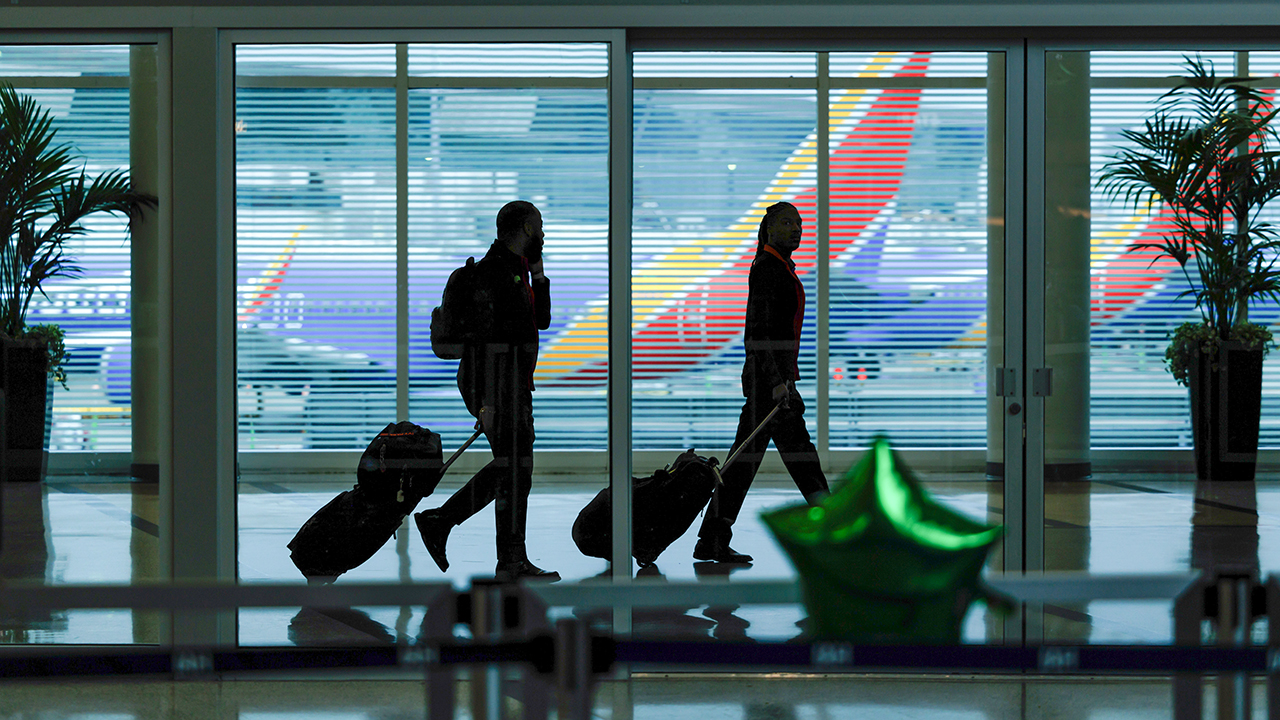
Jet fuel’s price surge, driven by Middle East turmoil and the Strait of Hormuz closure, forced airlines into a wave of fare hikes, flight cuts, and repeated profit downgrades as the industry faced relentless cost pressure well into late summer.
The shock hit airlines first through fuel, not demand: in early March, analysis tied the surge directly to Middle East disruption, saying “we know that the sort of de facto closure of the Strait of Hormuz has halted about 20% of global oil liquefied natural gas supplies,” with “skyrocketing energy costs” creating a fuel squeeze. That mechanism mattered immediately because airline cost exposure is extreme; Delta’s annual filing says “every $0.01 increase in fuel per gallon adds about $40 million in annual exp.,” making earnings revisions and rapid operating responses almost unavoidable as the Iran conflict escalated.
By mid-March and April, that cost shock had already translated into concrete actions across networks and income statements: one March 13 headline said the “Fuel crisis forces airlines to announce major fare increases, flight cancellations as Iran conflict escalates,” while Air New Zealand raised fares and cut flights and Air Canada halted all summer JFK service after jet fuel prices doubled. Qantas also lifted its fuel cost forecast as the Middle East war jolted oil markets, and Virgin Australia explicitly flagged higher fuel costs from the conflict while adjusting airfares, showing repeated pricing and capacity moves rather than a one-off reaction.
The next stage was a rolling downgrade cycle that stretched into September, confirming that the fuel shock was not temporary noise but a sustained hit to profitability forecasts. United Airlines “Slashes 2026 Profit Outlook to $7–$11/Share Amid Soaring Jet Fuel Prices,” American Airlines dimmed its 2026 forecast as high fuel costs hurt margins, LATAM cut its earnings forecast on a jet-fuel shock, and by Sept. 8 American had cut guidance for the second time that year after fuel costs moved higher from early July, underscoring how geopolitical fuel inflation kept forcing fresh revisions through late summer.



Demand Shields Airlines’ Margins
Strong travel demand and premium loyalty customers enabled airlines to sustain steep fare increases and defend profits, shifting strategy from quick surcharges to locking in higher ticket prices despite soaring fuel costs.
Airlines have been able to pass through fuel inflation because demand has remained unusually firm even as prices climbed. United made that clear in warnings that fares may need to rise sharply to offset fuel, while broader data showed “airline fare CPI rose nearly 21% year over year in April… accelerated for March’s 15% increase,” and “spend right now in May is currently up somewhere in the mid teens,” indicating that higher prices were not yet breaking booking momentum.
That pricing power matters because fuel is too large a cost line to absorb quietly: “20% of an airline’s operating expenses come from fuel,” forcing carriers to defend margins through both fares and network discipline. Delta’s model shows how that works in practice, with “90% of Delta revenue… tied to either premium offerings or their loyalty programs” and “the top 40% of earners… driving demand,” while management also stressed ancillary buffers — “MRO… revenue is going to be up 150% year over year” — and readiness to trim capacity if needed. By late summer, the industry’s strategy had become less about temporary surcharges than about sustaining a higher revenue base for as long as demand allowed, with executives saying consumers were still accepting elevated fares in a market where “Airfares Are Up 20%, Demand Is Strong.”