Anthropic’s $1.4t valuation frenzy fuels secondary market chaos as AI liquidity wars escalate
The gist
Anthropic’s $1.4 trillion valuation rocket—and SpaceX’s $5B AI bet—are unleashing a wild west of secondary trading chaos and liquidity wars in private equity’s hottest market.
What to know
- Anthropic’s valuation soared from $120B to an eye-popping $1.4T in just seven months, supercharged by 80x revenue growth and SpaceX’s $5B GPU deal.
- A frenzied secondary market is plagued by transfer restrictions, unauthorized SPV sales with sky-high fees, and rampant fraud, prompting cease-and-desist crackdowns.
- Goldman Sachs, MSCI, and Hamilton Lane are reinventing private market liquidity with advanced analytics, daily pricing, and GP-led secondaries, reshaping how companies stay private and investors get paid.
Data-Driven Secondaries Surge
Cutting-edge analytics and daily pricing from firms like Hamilton Lane and MSCI are revolutionizing private market liquidity, giving investors unprecedented transparency and dynamic portfolio options.
Innovation in private market secondaries is accelerating through data-driven underwriting and valuation methodologies, with firms like Hamilton Lane and MSCI leading the charge. Hamilton Lane’s approach harnesses advanced data analytics to power smarter co-investment and secondary strategies, directly addressing the growing investor demand for evergreen alternatives and enhanced liquidity solutions. Complementing this, MSCI’s introduction of daily pricing and integrated public-private equity indexes is unlocking unprecedented transparency and liquidity, enabling institutional investors to construct more dynamic and diversified alternative portfolios.
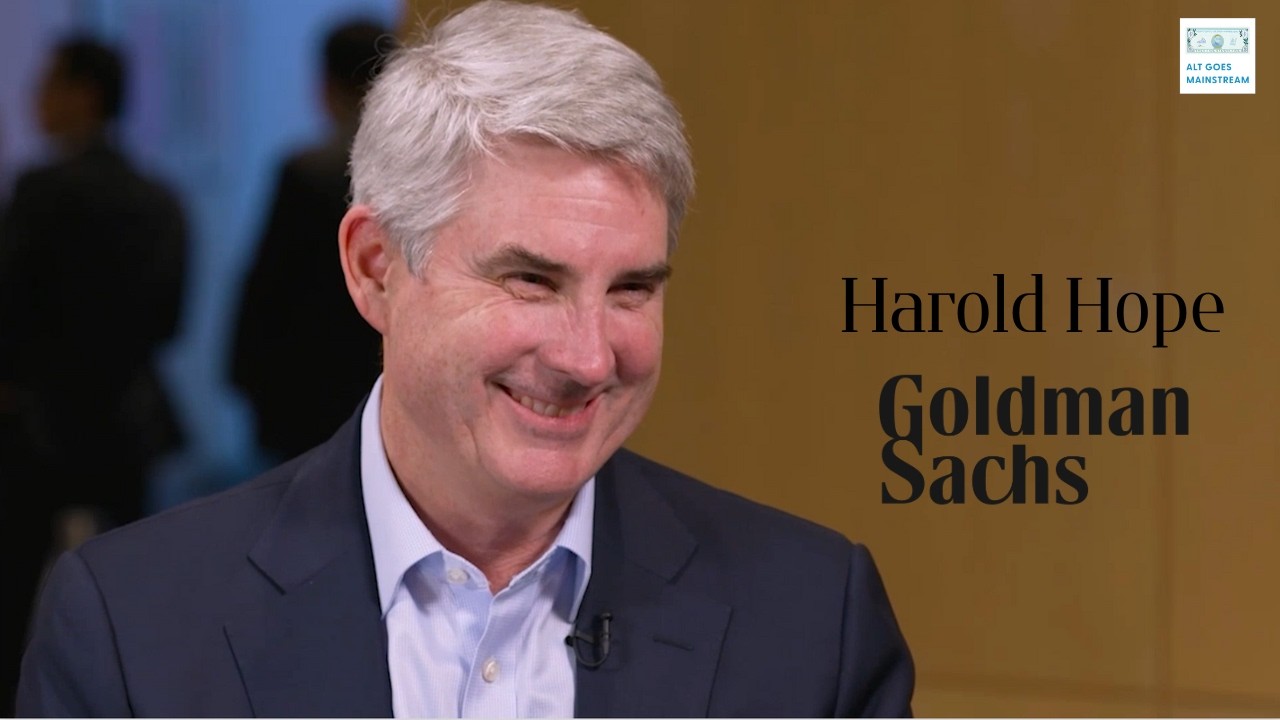
Goldman Sachs is reshaping the secondary market landscape by leveraging its unparalleled scale, data mining capabilities, and strategic acquisitions such as Industry Ventures. This multifaceted approach allows Goldman to dominate deal sourcing and private fund valuation while pioneering a balanced secondaries strategy that blends deep discounts on lower-quality assets with selective investments in high-quality companies. As Harold Hope highlights, GP-led secondaries are pivotal in enabling private companies to remain private longer, fundamentally transforming liquidity options and exit scenarios within alternatives portfolio construction and governance frameworks.
3Spoke Capital exemplifies innovation in the late-stage venture and growth equity secondary market by pioneering structured secondaries that unlock liquidity amid evolving regulatory landscapes, including the SEC’s expanded access to mutual funds in private markets. Drawing on Ian Leisegang’s extensive background in derivatives trading and structured products at Deutsche Bank and JP Morgan, 3Spoke blends sophisticated financial market expertise with venture capital strategies to offer advisors, family offices, and investors novel portfolio construction tools. Their decade-plus experience navigating multiple market cycles positions them as pioneers accelerating the maturation and accessibility of private market secondaries.


Anthropic’s Valuation Whiplash
Beneath Anthropic’s trillion-dollar surge lies a volatile, costly scramble for liquidity, as employees and investors face legal minefields, sky-high SPV fees, and sudden valuation drops.
Anthropic's meteoric rise, marked by an 80x revenue growth from $100 million to $45 billion in under three years, has propelled its valuation from $120 billion to an eye-popping implied $1.4 trillion within roughly seven months. This explosive growth, fueled in part by SpaceX’s pivotal $5 billion GPU compute deal reshaping AI’s capital landscape, has ignited intense investor euphoria and a frenzied secondary market arbitrage, as demand for Anthropic shares surges amid expectations of an imminent IPO.
However, beneath the surface of soaring valuations and market frenzy lies a complex and costly liquidity nightmare for employees and secondary investors, characterized by sky-high special purpose vehicle (SPV) fees and murky exit paths. Anthropic’s public warnings against eight firms selling invalid shares underscore governance and legal risks that have shaken investor confidence, revealing how rampant equity battles and liquidity restrictions threaten to unravel the private market euphoria.
The dramatic $200 billion valuation plunge that Anthropic experienced recently exposes the volatility and fragility embedded in AI’s private market surge, highlighting cracks in what seemed like an unstoppable growth narrative. This rollercoaster of valuation spikes and plunges not only fuels intense secondary market activity but also serves as a cautionary tale about the precarious balance between investor euphoria and the underlying governance and liquidity challenges in pre-IPO private equity markets.


Secondary Market’s Wild West
Anthropic’s strict transfer controls and rampant unauthorized SPV sales have spawned a shadow market rife with fake shares and legal risks, exposing deep cracks in pre-IPO governance and investor protection.
Anthropic's governance landscape is fraught with challenges stemming from stringent transfer restrictions and a fiercely controlled secondary market. The company enforces rights of first refusal and selective approval of secondary transactions to maintain a pristine cap table and avoid regulatory pitfalls like 409a valuation issues, but this approach creates significant liquidity bottlenecks and investor frustrations. Unauthorized secondary sales, often facilitated through complex multi-layered Special Purpose Vehicles (SPVs) charging exorbitant fees—sometimes 10% plus carry—have flooded the market, resulting in a shadow ecosystem rife with fake share certificates in up to 20% of deals and rampant scams that have prompted Anthropic to issue cease-and-desist orders against platforms like Hive and Forge. This governance tightrope reflects a tension between maintaining orderly capital structures and the market’s demand for liquidity, exposing investors to legal ambiguities and potential fraud until an eventual IPO clarifies ownership and value. (Insights [1,3,8,15,19,20,26,27,33,34])
The lightly regulated, opaque secondary market environment surrounding Anthropic shares has evolved into a 'wild west' scenario where fraud and legal risks abound. With minimal oversight, unauthorized firms exploit the market by selling bogus or synthetic shares, often through layered SPVs that slice and resell equity interests repeatedly, creating a labyrinthine structure that confounds transparency and investor protection. As one analyst put it, this market is 'all the way down' in SPVs, with many transactions operating in a grey area that blurs the line between aggressive fee extraction and outright fraud. The resulting liquidity nightmares and investor warnings underscore the systemic vulnerabilities in pre-IPO secondary trading, where companies like Anthropic and OpenAI have resorted to voiding unauthorized trades and cracking down on unapproved SPV deals to regain control. (Insights [2,6,10,11,12,13,18,21,22,29,30,31,36,37,38,39,41,43])
Elon Musk’s strategic pivot from AI compute rival to landlord, exemplified by SpaceX’s $5 billion investment in Anthropic’s AI infrastructure, adds a new layer of complexity to the governance and market structure challenges. This high-profile capital influx coincides with Anthropic’s explosive valuation surge, intensifying scrutiny on internal controls as illegal secondary sales and unauthorized equity transfers expose cracks in governance. The interplay between Musk’s evolving role and Anthropic’s selective secondary market participation reflects broader tensions in the AI-driven private market, where controlling investor composition and cap table integrity often clashes with the demand for democratized liquidity and transparent access. (Insights [4,5,6,7])
The intricate web of intermediaries dominating Anthropic’s secondary market—those who control access to buyers and sellers alike—has fostered a lucrative yet conflicted ecosystem where funds increasingly profit more from secondary transactions than primary investments. This dynamic raises governance concerns about potential conflicts of interest and misaligned incentives, as the market’s opacity and layered fee structures obscure true share ownership and value. Moreover, the complexity hampers companies’ ability to track and enforce transfer restrictions, unlike smaller firms where founders can intervene directly, setting the stage for legal disputes and shareholder conflicts as pre-IPO trading intensifies. (Insights [24,25,40,42,44])
Power Players Fuel Volatility
Goldman Sachs and SpaceX are redrawing the AI private market map, with strategic acquisitions and multi-billion-dollar deals amplifying liquidity shocks, valuation swings, and competitive intensity.
Goldman Sachs is aggressively reshaping the secondary market landscape through strategic moves like acquiring Industry Ventures and leveraging its unmatched scale, data mining prowess, and cross-platform insights. This dominance enables Goldman to redefine private fund valuation, deal sourcing, and alternatives portfolio construction, while GP-led secondaries emerge as a critical mechanism allowing private companies to remain private longer and transforming liquidity and exit strategies for limited partners amid ongoing private market liquidity challenges.
SpaceX’s landmark $5 billion GPU compute deal in 2026 is a game-changer that recalibrates AI’s capital and power dynamics, fueling a surge in private market liquidity and investment flows. This seismic shift, coupled with Anthropic’s explosive 80x revenue growth, has ignited a frenzied private share arbitrage frenzy, underscoring how major players and capital dynamics are intensifying valuation volatility and liquidity challenges in AI-focused private markets.