Apple’s HomeView debut met with skepticism and sticker shock
The gist
Apple’s long-delayed HomeView smart display finally hits shelves at $299—but critics are already calling it a late, pricey, and possibly unnecessary entrant to a crowded market.
What to know
- Apple launched HomeView in October 2026, entering the smart display market nine years after Amazon’s Echo Show and eight after Google’s Home Hub.
- The device reportedly sat in warehouses for two years while Apple struggled to get its Siri AI software ready, weakening launch momentum.
- Reviewers balked at the $299 price tag—plus a $59.95 wall-mount add-on—calling HomeView an ‘unnecessary iPad’ competing with cheaper, well-established rivals.
Apple’s Smart Home Gamble
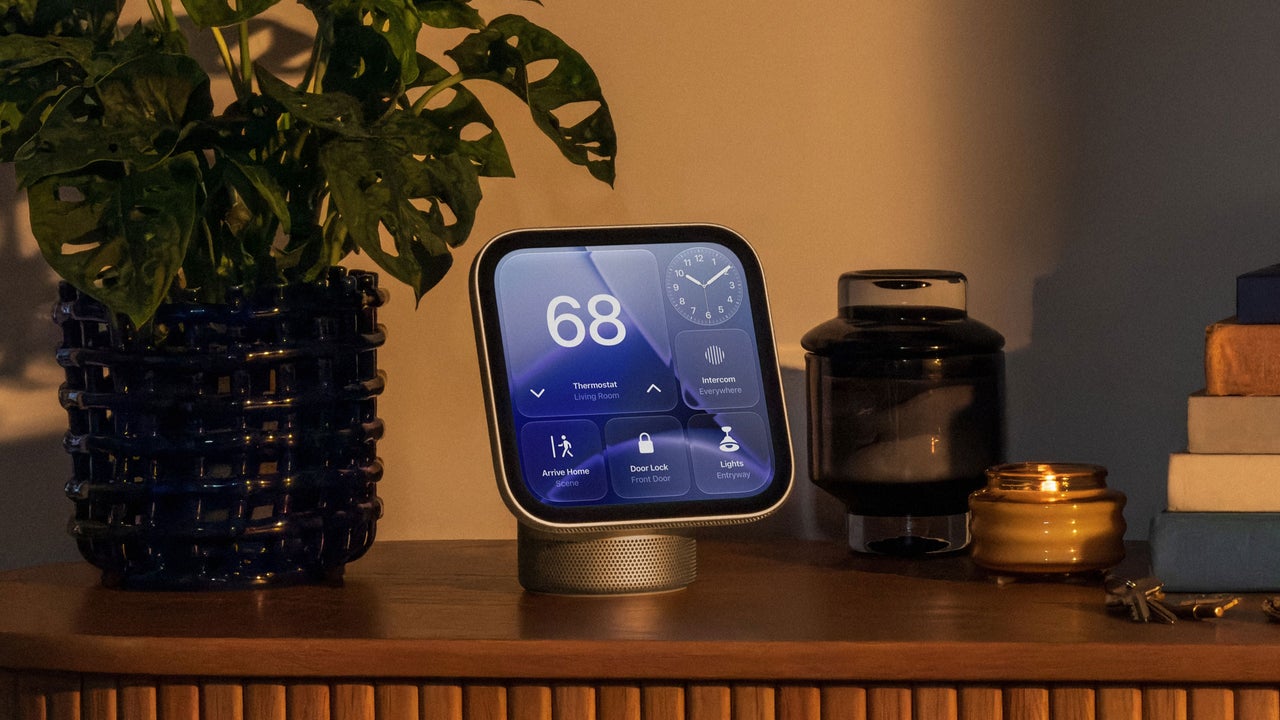
Apple’s first true smart display marks a strategic shift from software add-ons to a dedicated home hub, finally filling a gap in its ecosystem after years of speculation.
Apple’s formal arrival in the smart display business came in October 2026, when it introduced HomeView as a dedicated new device rather than a software extension or accessory. The Verge’s headline was explicit — “Apple Unveils $299 HomeView Smart Display with Siri AI, Facial‑Recognition at Oct 13 Event” — tying the launch to Oct. 13 and underscoring that Apple was finally putting a named, priced smart display into the market as its first direct entry into the smart home hub category.
That debut mattered because Apple had previously lacked a direct counterpart to the screen-based home hubs already familiar to consumers. Before the launch, Waveform: The MKBHD Podcast described the rumored device by comparing it to “the Nest Home Hub… which is the same idea… an 8 inch tablet on a speaker,” adding that “Apple doesn't have an equivalent of this for their ecosystem,” and after launch AppleInsider characterized HomeView as a smart home management device “meant to be the center of your smart home, and a way to help you manage your life too.”
Siri’s Delays Cloud Launch
HomeView’s two-year warehouse limbo fueled doubts about Siri’s readiness and left Apple fighting both smart-display fatigue and skepticism about its AI credentials.
Apple’s challenge was not just arriving late but arriving after a visible stall tied to the very AI experience meant to justify the product. Daily Tech News Show said Apple “made this device… two years ago to go with Siri AI,” that it “has actually been in a warehouse for two years,” and that Apple “finally announced this week the home view” only after it “couldn’t release it” because “the software wasn’t ready,” a delay that blunted launch momentum in a category where incumbents had years to normalize the core use case.
That delay also sharpened doubts about whether HomeView could overcome broader smart-display fatigue, because the holdup was framed as a Siri problem rather than a breakthrough waiting to mature. The speaker on Daily Tech News Show said “Siri AI, which they thought it was sucked, it’s now it’s now getting there,” then asked, “Is this a product everybody’s going to buy at 300 bucks?” while adding that “the reason it’s only 300 bucks is because they made them two years ago when the RAM wasn’t so expensive,” turning timing itself into part of the value debate.
Chasing Decade-Old Leaders
Apple’s late entry pits HomeView against entrenched rivals like Amazon and Google, forcing it to play catch-up in a market where expectations are already set.
Apple did not arrive at the start of the smart-display category; it arrived after rivals had already mapped it out. Fast Company called HomeView “nearly a decade late,” noting that the $299 device was announced on October 13, “arriving nine years after Amazon unveiled the Echo Show” and “eight after Google came out with its own Home Hub,” a timeline that makes clear Amazon and Google had already introduced the products and expectations that defined this market before Apple showed up.
That late timing was also how the launch was framed across broader coverage: TechCheck described Apple as “today unveiling a new push into the smart home” centered on “the $299 Home View, a 7 inch smart display,” while Pivot said Apple was “trying to gain ground in a market where Amazon holds nearly 50% of the smart speaker sales through its Amazon Echo.” Together, those descriptions place HomeView not as a category creator but as a newcomer entering terrain already established and led by Amazon, with Google long present as well.



Premium Price, Lukewarm Praise
Critics see HomeView’s $299 price—plus costly add-ons—as unjustified, with many calling it redundant and questioning whether it offers any real advantage over cheaper, established alternatives.
The immediate problem for Apple is that reviewers do not see the $299 starting price as a clean entry point so much as a teaser number that rises once buyers configure the product the way Apple presents it. The Verge highlighted that “Apple’s $299 HomeView Wall‑Mount version Requires Separate $59.95 Power Mount Add‑On,” while Daily Tech News Show’s Sarah put the comparison bluntly: “$300. You can get a new Echo show for 200,” capturing why analysts see Apple charging a premium in a category where cheaper rivals already handle the basics.
That pricing pressure lands in a market already doubtful that smart displays solve a pressing problem, making HomeView vulnerable to being judged as redundant rather than novel. TBPN’s review framed the device as a possible “unnecessary iPad” and “solving a problem that no one has,” while The Verge argued even the Apple Store path could erode value if buyers are funneled into ADT upsells and compatibility compromises; Accidental Tech Podcast added that, for a $300-class device, hardware choices such as the display do not obviously deliver the kind of premium leap needed to reset demand.