Ceasefire on the brink: US-Iran deal faces regional fire and political fury
The gist
A fragile US-Iran ceasefire—brokered by Pakistan and hotly contested by Israel and Congress—hangs by a thread as missile strikes, political infighting, and economic uncertainty threaten to ignite the region once again.
What to know
- The Islamabad Memorandum reopened the Strait of Hormuz for 60 days, but ongoing Iran-Israel missile exchanges and unresolved toll disputes keep the peace teetering.
- Israel’s rejection of Lebanon-related ceasefire terms and Hezbollah’s continued attacks risk unraveling the deal, with former Defense Secretary Esper calling Hezbollah Iran’s top regional spoiler.
- Trump’s 2026 Iran deal faces bipartisan US backlash over sanctions relief and nuclear concessions, fueling congressional gridlock and deepening domestic political chaos.
Ceasefire on Shaky Ground
Behind the Islamabad Memorandum’s 60-day truce, missile strikes, maritime disputes, and clashing US and Israeli strategies threaten to unravel the region’s fragile calm.
After surpassing 100 days of conflict with no clear resolution, the US-Iran war has entered a precarious phase marked by a fragile ceasefire brokered through the 2026 Islamabad Memorandum of Understanding, mediated by Pakistan's Prime Minister Sharif. This agreement, confirmed by Vice President JD Vance and former President Trump, includes reopening the strategically vital Strait of Hormuz—previously blockaded by the US—and sets a 60-day timeline for sanctions relief and nuclear negotiations. However, despite this diplomatic milestone, missile exchanges continue, with Iran launching ballistic missiles into Israel and Israel retaliating against Iranian military targets, underscoring the tenuous nature of the ceasefire and ongoing regional military tensions.
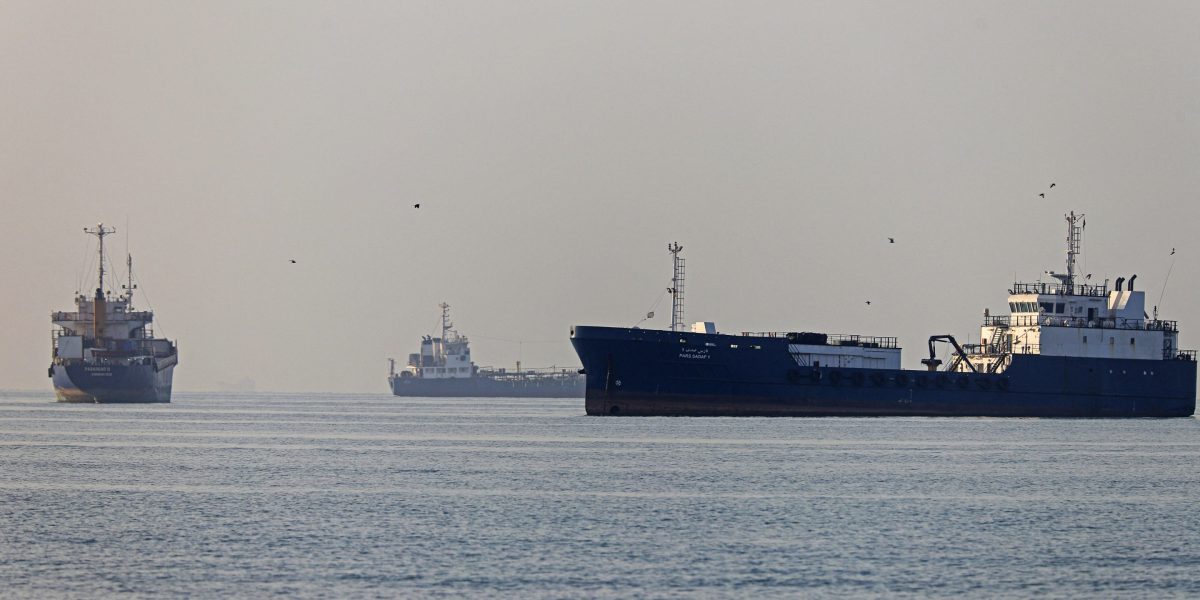
The reopening of the Strait of Hormuz stands as a critical geopolitical and economic pivot in the conflict, ending Iran’s wartime disruption of this global energy chokepoint and temporarily allowing toll-free passage for 60 days. Yet, Iran’s demand for transit tolls and the future management of the strait remain unresolved, fueling uncertainty amid volatile oil markets and global energy supply concerns. This fragile maritime security is further threatened by Iran’s claims of re-closing the strait amid strikes in Lebanon, which the US denies but continues to monitor closely, highlighting the persistent volatility in the region’s military and economic landscape.
Regional dynamics complicate the ceasefire’s durability, as Israeli Prime Minister Benjamin Netanyahu’s rejection of key clauses—particularly those concerning Lebanon—risks provoking Iranian retaliation and undermines the peace deal’s stability. Hezbollah’s role as a spoiler, identified by former Defense Secretary Esper, exacerbates these tensions, with Israel maintaining a military presence in southern Lebanon and preparing for potential renewed combat. This discord, coupled with Trump’s contradictory public threats of intensified strikes on Iran even as diplomatic talks unfold in Switzerland, reveals deep fractures within US alliances and highlights the fragile, contested nature of the ceasefire.
While the ceasefire and peace deal mark a hopeful diplomatic shift, critics argue that the Trump administration’s 2026 Iran peace deal leaves critical security gaps by granting Iran immediate economic benefits—such as lifting the naval blockade and allowing oil sales in US dollars—while deferring or diluting Iran’s hardest concessions on nuclear development and proxy disarmament. The lingering damage from 40 days of bombing and the empowerment of Iranian hardliners complicate regional stability and alliance cohesion, effectively costing the US an estimated $300 million per day in economic concessions to maintain the fragile peace and keep the Strait of Hormuz open.



Lebanon: Flashpoint for Collapse
Hezbollah’s persistent attacks and Israel’s refusal to withdraw from Lebanon risk derailing the US-Iran deal and fueling a wider regional conflict.
Hezbollah’s persistent attacks and Israel’s refusal to withdraw from Lebanon risk derailing the US-Iran deal and fueling a wider regional conflict.





Israel-Iran Escalation Erupts
Direct missile exchanges between Iran and Israel, defiant Israeli military actions, and Trump’s sidelined diplomacy expose deep rifts and the breakdown of ceasefire hopes.
The fragile ceasefire between Iran and Israel has effectively collapsed as Iran launched ballistic missile attacks into Israel for the first time since the ceasefire began, prompting retaliatory Israeli strikes on military targets deep within western and central Iran. This escalation underscores the volatile and reactive nature of Israel-Iran hostilities amid the broader US-Iran conflict, further complicated by former President Trump's assertion of control over negotiations and his insistence that Israel accept any deal he brokers—an expectation Israel defied through its independent military actions. These developments highlight the deep fissures in regional security and the challenges in maintaining a stable ceasefire.
Lebanon remains a critical and contentious front in the US-Iran peace process, with Iran conditioning progress on Israel's withdrawal and respect for the ceasefire there, while Israeli Prime Minister Netanyahu has categorically rejected these demands. Hezbollah, described by former Defense Secretary Mark Esper as Iran’s 'highly paid proxies in Lebanon,' continues to act as a significant spoiler by launching attacks that justify Israeli military responses, thereby perpetuating a cycle of violence that undermines regional stability. This dynamic not only complicates diplomatic efforts but also threatens the fragile Memorandum of Understanding between the US and Iran, as ongoing strikes and Israeli refusal to withdraw from Lebanon risk unraveling progress.
Israel's internal political backlash against the US-Iran deal, notably led by figures like Bezalel Smotrich and Prime Minister Netanyahu, intensifies regional tensions by publicly opposing the agreement and continuing military operations in Lebanon despite US diplomatic efforts. This opposition is exacerbated by former President Trump's public criticism of Israel's Lebanon strategy, which highlights fractures within the US political landscape and signals unease over Israel’s aggressive tactics, including strikes on civilian areas in Beirut. US Special Envoy Vance has issued stern warnings to Israel to avoid undermining the fragile Trump-brokered peace deal, emphasizing that Israeli actions could destabilize the broader Middle East security environment and jeopardize the reopening of the strategically vital Strait of Hormuz.
In response to escalating Israel-Lebanon tensions and Hezbollah’s spoiler role, the US is recalibrating its military posture in the region while simultaneously pursuing diplomatic outreach, though this dual approach has been criticized as contradictory and incoherent. A new deconfliction mechanism has been introduced to prevent the Lebanon-Israel conflict from igniting broader Middle East turmoil that could disrupt global oil markets and regional stability. However, ongoing Israeli military readiness in southern Lebanon, including orders for troops to prepare for renewed combat, alongside Iranian warnings that further Israeli attacks could derail US-Iran talks, underscore the precarious balance and persistent volatility in this critical geopolitical flashpoint.

Deal Sparks US Political Chaos
Trump’s Iran agreement has triggered fierce bipartisan infighting, institutional distrust, and economic anxiety, fracturing US leadership as the Middle East crisis deepens.
The Trump administration's Iran deal has ignited fierce bipartisan backlash marked by deep GOP divisions and Congressional skepticism. Prominent Republicans like Senator Bill Cassidy condemned the agreement as "the worst foreign policy blunder in decades," lamenting that sanctions were lifted even as American service members died, while figures such as Senator Lindsey Graham endorsed the deal after White House consultations. Democrats, including Senator Elizabeth Warren and Senator Adam Schiff, criticized the deal for empowering Iran financially and questioned the lack of transparency and clear benefits to the American people amid rising domestic economic hardships like soaring gasoline prices and fertilizer shortages. This political turmoil is compounded by internal executive branch dissent, with Secretary of State Marco Rubio and Defense Secretary Pete Hegseth expressing concerns, underscoring the fractured nature of US domestic consensus on the conflict and deal.
The secretive and contradictory handling of the Iran deal and memorandum of understanding (MOU) by the Trump administration has exacerbated institutional distrust and fueled historic congressional gridlock. Public announcements by Trump claiming imminent deal signings and definitive nuclear concessions were met with denials from Iran’s foreign ministry, fostering bipartisan skepticism about the deal’s substance and enforceability. Congressional leaders, including Democrats led by Reps. Meeks, Himes, and Smith, demanded detailed briefings from Senator Rubio on transparency and enforcement, reflecting widespread unease over the lack of clarity. Critics like Garry Kasparov warned that the deal amounted to a "weak capitulation" granting Iran sanctions relief and undermining US leverage, while concerns about executive overreach echoed James Madison’s warnings about unchecked war powers, highlighting the erosion of institutional checks amid ongoing conflict.
Trump’s aggressive rhetoric and social media tactics have further fractured Senate Republicans and imperiled the fragile US-Iran peace process amid escalating Middle East tensions and volatile global energy markets. Figures like JD Vance publicly criticized Trump’s "reckless social media threats," which risk undermining critical diplomatic negotiations by damaging US credibility and complicating future talks. This internal GOP discord, combined with hawkish pressures from elements within the party advocating continued military action, has intensified domestic political strife and complicated efforts to stabilize the region. The political fallout is intertwined with broader economic concerns, as the reopening of the Strait of Hormuz and sanctions relief have significant implications for global oil dynamics and US foreign policy credibility.