Chipotle jumps on starbucks rumor, but sales slump bites
The gist
Chipotle’s stock soared on Starbucks takeover rumors—even as rare sales declines and shrinking margins exposed real cracks in the burrito empire.
What to know
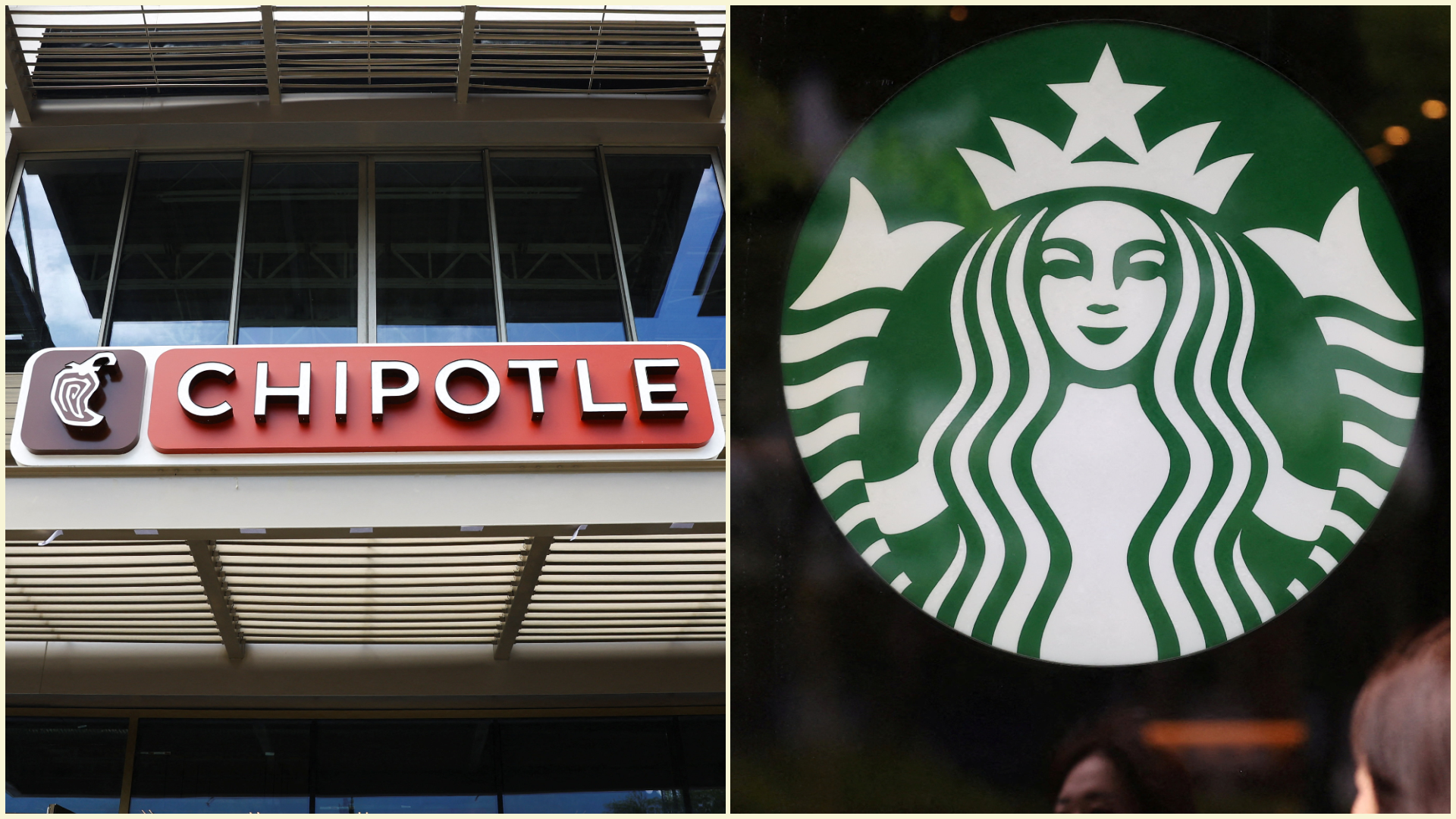
- Chipotle jumped 6% after reports Starbucks explored a $39B takeover, while Starbucks shares dropped nearly 7% on the news.
- Despite the buzz, Chipotle’s same-store sales fell 1.7% in 2025 and unit margins shrank by 220 basis points amid cost inflation.
- Investors are betting on future growth, with Chipotle still trading at over 24 times expected 2027 earnings despite its recent operational stumbles.
Growth Expectations Outpace Reality
Chipotle’s sky-high valuation hinges on ambitious future earnings, even as food safety scares and margin erosion highlight the risks of betting on flawless execution.
Chipotle’s valuation had already become a referendum on future delivery rather than current results. Yahoo Finance noted that “Chipotle (CMG) trades at about 28.4 times its trailing adjusted earnings… On what analysts expect Chipotle to earn by 2027, the same price is about 24.1 times,” adding that the price did not need to move for the earnings to arrive. That gap mattered because operating conditions were still soft: a cyclospora scare across the restaurant industry cut about 200 basis points from sales, leaving fiscal Q3 comparable sales guided to about plus 1%, versus about plus 3% without the disruption.
The result was a stock priced for execution even as margins remained under pressure. Yahoo Finance said the operating margin had gone the other way, 15.4% over the trailing twelve months against a three-year average of 16.9%, while management said cost inflation still ran ahead of pricing and would only match from fiscal Q4 2026, stopping erosion rather than restoring margins. With comparable sales guided to low single digits for 2026, development became the answer—about 350 new restaurants, most with a Chipotlane—while Simply Wall Street said the key issue was whether the setback had brought the price closer to what its underlying cash flows could justify, noting Chipotle’s stock had fallen 20.7% over the past year and asking whether the decline had finally narrowed the gap between market expectations and fundamentals.

Rumor Sparks Market Whiplash
The Starbucks takeover buzz instantly sent Chipotle shares soaring and Starbucks tumbling, revealing how takeover talk can swiftly reshape investor expectations and company fortunes.
Takeover speculation produced an instant, two-way market verdict. Reuters Business captured the catalyst in its headline — “Starbucks Mulls $39 B Chipotle Takeover, Reuniting Brian Niccol as Chipotle Shares Surge 6%” — while separately stating “Chipotle Shares Surge 6%,” making clear that investors immediately marked up Chipotle on the prospect of a bid. That reaction was reinforced the next day, when Chipotle “closed at about 6%… rounding out its best day since about late September” after the Financial Times reported Starbucks had worked with advisors in recent months on a takeover proposal.
Starbucks stock moved just as quickly in the opposite direction, showing that the rumor was not treated as a neutral strategic thought experiment but as a repricing event. Semafor Business had already argued Starbucks “would instantly rerate at a lower multiple if it pursued Chipotle,” and the market did exactly that: SBUX “was down as much as nearly 7% this morning” — its biggest intraday drop in more than a year — and “Shares are down around 3% right now,” on “news from the FTSE,” even as the mooted combination was framed as creating nearly $50 billion in annual sales.


Margins Squeezed as Sales Falter
Chipotle’s rare same-store sales decline and rising labor and food costs are squeezing profits, signaling deeper operational challenges beneath headline market moves.
Chipotle’s stock swings were not happening in an operating vacuum: the business was already showing signs of strain in the stores themselves. As The Motley Fool noted, “In 2025, Chipotle reported a rare same-store sales (SSS) decline of 1.7%,” a notable break for a chain long treated as a reliable grower and evidence that demand had softened enough to pressure traffic and spending rather than merely unsettle sentiment around the shares.
That demand pressure was compounded by a cost structure moving the wrong way, tightening restaurant economics even before any market narrative took hold. The Motley Fool reported that “Costs have increased due to labor and food inflation,” and that “The unit-level operating margin was 25.2% in the most recent quarter. That's down 220 basis points from the same period last year,” showing how wage and ingredient inflation were directly compressing unit profitability as consumers across fast-casual pulled back.