CMOs become 'mini CEOs' as AI agents upend marketing teams and budgets

The gist
CMOs are morphing into 'mini CEOs' as AI agents take over customer interactions, forcing radical reinvention of marketing teams, budgets, and strategies.
What to know
- By mid-2025, AI agents began autonomously managing customer interactions and purchases, with experts predicting AI-driven shopping will go mainstream by Christmas 2026.
- Marketing org charts are flipping: specialist silos are out, AI-powered generalists and engineer-led teams like Samsara’s GTM squad are in.
- Despite flat marketing budgets (7.8% of revenue), CMOs are pouring over 15% into AI, with 90% of new job descriptions demanding leaders who break silos and drive cross-functional, AI-enabled growth.
AI Agents Reshape Demand
Autonomous AI agents are fundamentally rewriting marketing playbooks, shifting customer engagement from human-driven funnels to agent-to-agent interactions and forcing brands to rethink how they stay relevant.
By mid-2025, personal AI agents began fundamentally disrupting traditional marketing funnels by shifting demand generation from human consumers to autonomous agents, raising critical questions about brand engagement strategies. Early organizational adoption was evident as AI agents demonstrated remarkable effectiveness, resolving over 80% of customer service issues and autonomously handling complex, multi-step interactions across platforms—exemplified by Sirius XM’s Harmony agent managing satellite encryption without human involvement. This early shift toward agent-to-agent communication signaled a profound transformation in customer experience and marketing operations.
By early 2026, AI agents had progressed from assisting consumers to actively conducting product research and making purchasing decisions autonomously, with experts like Cassiano Surek predicting AI agents could be shopping for users by Christmas 2026. This evolution is reshaping commerce dynamics, moving interactions away from brand-guided experiences toward algorithmically defined engagements, leaving merchants scrambling to adapt. Concurrently, AI-driven transformation is dismantling traditional hierarchical structures in favor of smaller, versatile teams empowered by AI to execute across the full marketing workflow, reflecting a broader organizational shift.
The rapid pace of AI evolution in marketing has forced CMOs into a race to adopt and lead AI initiatives to avoid losing ground to agent-native startups, as highlighted by a beauty company CMO’s concern over autonomous campaigns in tech and media sectors. Marketing has emerged as the primary driver of AI investment within enterprises, with roughly half of CMOs now leading AI decisions, a significant shift from previous CEO or strategy-led agendas. Despite 94% of CMOs acknowledging heightened CEO expectations for marketing to not just adopt but lead AI transformation, only about a third are true leaders orchestrating multiple AI workflows and autonomous campaigns, while many still use generative AI primarily as an assistant for isolated tasks.
Early organizational awareness of AI’s disruptive potential varies widely across industries, with agile companies moving swiftly to integrate AI while risk-sensitive sectors like financial services proceed cautiously. Marketers recognize the necessity not only to adopt AI but also to educate customers on its value to unlock its transformative potential fully. This dual focus on internal capability building and external customer engagement underscores the complexity of navigating AI-driven marketing transformation amid rapidly evolving technology and market conditions.


Rise of the Mini CEO
CMOs are morphing into cross-functional leaders who blend technical, financial, and creative skills, dissolving traditional silos and spearheading AI-powered teams that span the entire marketing spectrum.
AI adoption is fundamentally reshaping marketing team structures by driving a shift from highly specialized roles toward versatile generalists who blend creativity and technical acumen. As early as August 2025, analyses predicted smaller teams composed of creative and engineer-led marketers capable of managing multiple marketing functions powered by AI, replacing the traditional siloed specialists in product marketing, brand, demand generation, and performance marketing. This evolution is exemplified by companies like Samsara, where CMO Meagen Eisenberg built a 10+ person in-house GTM engineering team, while startups prioritize hiring AI-fluent generalists able to span multiple roles, underscoring the broadening skill sets required across company sizes.
The role of CMOs is transforming from brand-focused specialists into strategic integrators and 'mini CEOs' who combine technical proficiency, financial fluency, and organizational leadership to orchestrate AI-driven marketing ecosystems. By 2026, leaders like Dara Treseder emphasize mastering when to leverage human creativity versus machine automation, while Mélanie Brinbaum and Lynsey Woods highlight the necessity for CMOs to fluently communicate across finance, supply chain, and technology disciplines. This expanded remit is reflected in the rise of 'mission teams' at Adobe and the growing responsibility of CMOs to lead AI investment decisions—now held by nearly 50% of CMOs—signaling marketing’s proactive ownership of enterprise-wide AI transformation.
Despite the rapid integration of AI tools into everyday marketing tasks like copy development and testing, many organizations remain in early stages of transformation, often using generative AI as assistants rather than fully embedding AI into strategic workflows. This 'messy middle' phase requires CMOs to balance experimentation with disciplined omnichannel marketing and maintain a human-centric focus, as emphasized by leaders advising patience and critical evaluation before full AI adoption. Moreover, the proliferation of AI-generated content—termed 'AI sludge'—raises the creative bar, demanding marketers become exceptional storytellers to cut through the noise and preserve brand relevance in an increasingly algorithmically defined commerce landscape.
The evolving marketing landscape demands new skills centered on managing AI with critical and creative thinking, strategic oversight, and adaptability to fast-changing technologies. Case studies like Chris’s use of AI agents to automate grunt work and debate monetization strategies illustrate how AI can compensate for skill gaps and free marketers to focus on higher-level strategy. However, this shift also results in workforce reductions among execution-focused roles unable to transition to strategic functions, underscoring the importance of continuous learning and cross-disciplinary fluency. As Emily Wright of Info-Tech Research Group notes, success hinges on aligning strategy, technology, customer experience, and revenue generation, with CMOs leading marketing as a continuously evolving learning system rather than a static budget function.


Commerce Goes Agent-Ready
Brands must overhaul infrastructure and data strategies to serve AI agents as primary customers, as emotional loyalty gives way to algorithmic decision-making and real-time negotiation.
By early 2026, CMOs and companies recognized that integrating AI-driven commerce requires a fundamental overhaul of brand strategies and organizational workflows. This includes preparing commerce infrastructures to be 'agent-ready'—ensuring checkout processes are clear and consistent enough for autonomous AI agents to complete purchases without friction, as well as emphasizing value propositions beyond price, such as sustainability and customer service, since AI agents continuously negotiate and compare in real-time. PepsiCo exemplifies this strategic pivot by building in-house AI capabilities to create new product taxonomies and embracing broad partnerships to navigate the evolving landscape, underscoring the shift from emotional brand loyalty to algorithmic decision-making.
Organizational design and marketing workflows are rapidly evolving to accommodate AI’s growing role in commerce, with companies dismantling rigid, specialized hierarchies in favor of smaller, multidisciplinary teams skilled in cross-functional collaboration and AI tool proficiency. This transformation is driven by the automation of execution roles, as AI agents increasingly handle tasks traditionally performed by marketers, prompting a redefinition of marketing roles toward strategic orchestration and human oversight. Adobe’s restructuring into mission-driven teams combining marketers, engineers, and data specialists illustrates how firms are accelerating decision-making and AI integration at scale.
Data strategy has emerged as a cornerstone of AI-driven commerce adaptation, with brands unifying fragmented first-party data into comprehensive, ethically enriched data foundations to fuel AI algorithms and reduce errors. Maintaining rigorous data hygiene and resolving customer identity across devices are critical to delivering seamless, personalized experiences in AI-mediated interactions. This data-centric approach supports new marketing workflows that leverage AI ecosystems like ChatGPT’s app platform, enabling brands to coexist with AI intermediaries and enhance direct customer engagement, as highlighted by leaders emphasizing the necessity to 'lean into' AI rather than resist it.
Despite the profound technological shifts, marketing fundamentals such as product-market fit, trust, and brand relevance remain vital, albeit requiring reinterpretation in the AI era. Brands must adopt authenticity, conversational precision, and clarity in product data to capture AI agents’ consideration and support both machine and human buyers effectively. Moreover, loyalty programs and community engagement strategies are being reimagined as over half of consumers now delegate brand communications to AI, compelling marketers to double down on first-party data and social listening platforms like Discord to maintain meaningful connections in a landscape where AI agents autonomously set brand preferences.


Budget Squeeze Fuels Scrutiny
With flat budgets and mounting pressure to prove ROI, CMOs must master financial fluency, justify AI investments, and build credibility with the C-suite to secure resources for transformation.
By mid-2026, CMOs are grappling with the challenge of flat marketing budgets averaging just 7.8% of company revenue, even as they allocate a significant 15.3% of those budgets to AI initiatives to meet soaring CEO expectations. This financial squeeze is compounded by the fact that over half of CMOs report insufficient budgets to hit their targets and face potential cuts if goals are missed, underscoring the urgent need for financial credibility and resource optimization in an era where only 5% of businesses have successfully scaled AI beyond pilot stages.
Achieving effective AI-driven marketing transformation hinges on close alignment among CMOs, CFOs, and CEOs, particularly around tooling, legal, and brand governance, as emphasized by Lauren Chester of Dept UK. Organizations that invest more heavily in AI—allocating over 20% of marketing budgets—tend to have larger overall marketing spends (8.9% of revenue) and greater budget agility, highlighting how financial credibility and cross-functional collaboration unlock the capacity to scale AI initiatives beyond experimentation.
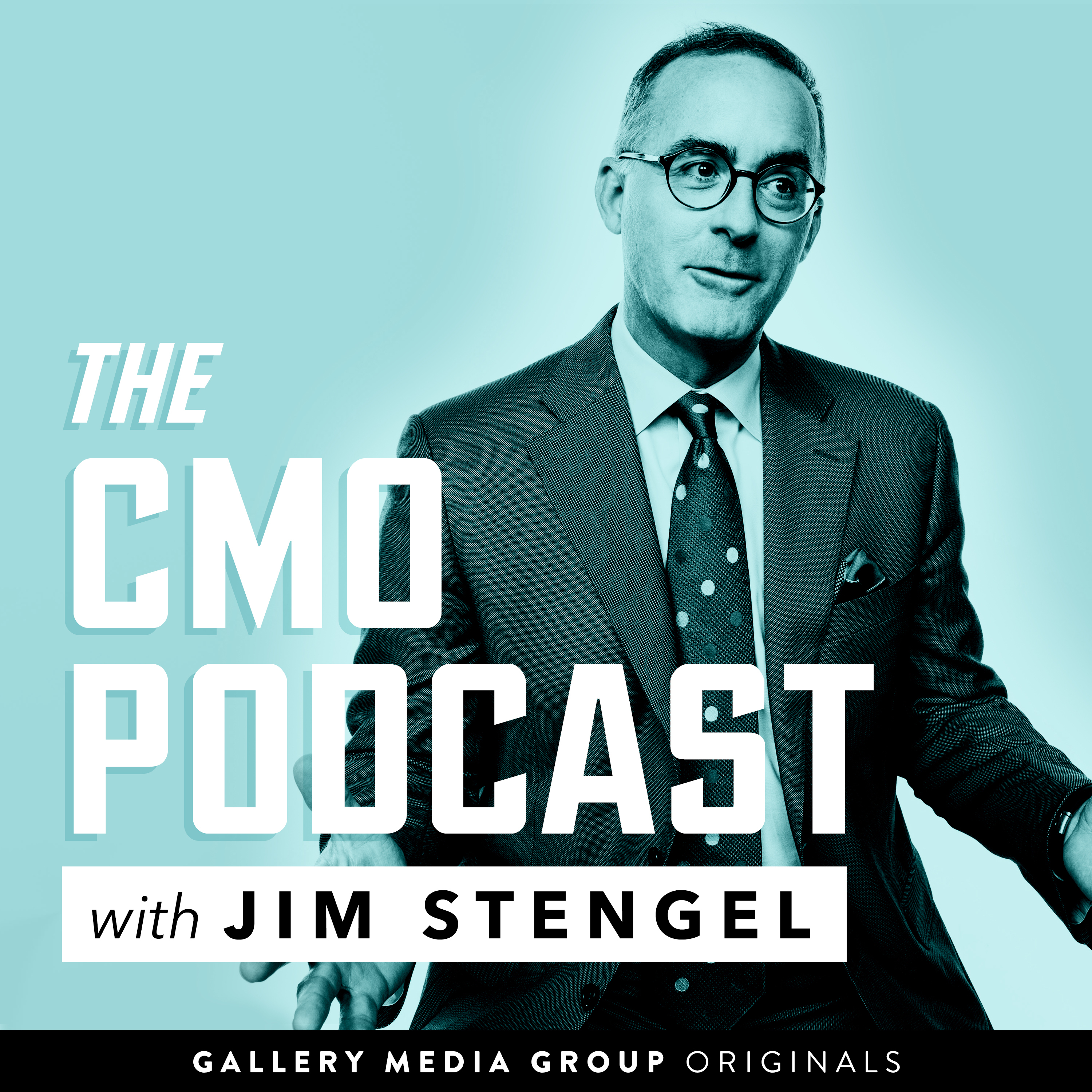
Building financial credibility requires CMOs to speak the language of the C-suite by framing brand as a measurable asset driving profitability, not a discretionary expense. As Nestlé’s Mélanie Brinbaum notes, fluency in finance, supply chain, and risk is essential, while Jim Stengel and others stress the importance of engaging CFOs with data linking brand strength to tangible outcomes—such as a 10% increase in brand uniqueness correlating with a 6% pricing power boost—to secure investment and elevate marketing’s enterprise influence.
Despite marketing’s growing strategic remit, CMOs face persistent organizational challenges including budget silos—where 65% of companies separate brand and performance budgets—and limited C-suite relationships, with only 58% of CMOs connected to CFOs or CEOs. This fragmentation hinders unified accountability and complicates securing brand budgets, as only 40% of marketers feel the C-suite truly understands advertising’s role, making ongoing, trust-building conversations and integrated metrics critical to bridging the gap and demonstrating marketing’s impact on growth and profitability.




Creativity Meets AI Execution
Hybrid teams of creative generalists and engineer-led specialists are emerging as the backbone of marketing, balancing AI-powered personalization with authentic storytelling to cut through the noise.
As AI becomes deeply embedded in marketing operations, the future team structure is evolving into a hybrid of creative generalists empowered by AI tools and engineer-led specialists who build and manage AI-driven personalization systems. This blend allows marketers to focus on crafting compelling, tasteful storytelling that rises above the flood of AI-generated content, while engineers handle scaling and precision tasks across the customer journey, as emphasized in 2025 insights highlighting the necessity of balancing artistry with technical execution.
Thoughtful leadership in AI integration demands navigating ethical boundaries and managing the hype surrounding AI’s capabilities. Dario Debarbieri of HCL Software underscores the importance of avoiding intrusive personalization that risks alienating customers, while Amy Lanzi and other CMOs advocate for cutting through AI overpromises to focus on measurable business results. This leadership approach also involves fostering team adaptability amid rapid change, resisting the urge to rush AI adoption, and maintaining intentionality to preserve authentic brand building and human creativity.
Despite AI’s growing role as a personal shopper and content generator, fundamental marketing principles—such as product-market fit, brand trust, and the Four Ps—remain indispensable. Experts like Lindsay Kaplan and Paul Darcy stress that authentic brand building creates lasting trust and preference that performance marketing and AI shortcuts cannot replace. This human-centered creativity is critical for differentiation and long-term growth, especially as CMOs like Marcel Marcondes and Simon Cook highlight creativity’s measurable impact on profitability and market capitalization in an increasingly AI-driven landscape.
CMOs today must balance the accelerating complexity of AI-driven marketing with cross-functional fluency and a disciplined focus on business impact. As Mélanie Brinbaum of Nestlé and Lynsey Woods of Carlsberg note, marketing leadership now requires fluency in finance, data, and technology to break down silos and prove marketing’s value beyond creativity alone. This includes managing multiple stakeholders transparently, prioritizing efforts that truly move the needle amid AI hype, and sustaining human judgment and intuition to discern ideas that resonate authentically with customers.





CMOs as Growth Architects
The CMO’s mandate has expanded to enterprise-wide growth leadership, demanding integration of AI, cross-functional collaboration, and new measurement frameworks that position marketing at the core of business strategy.
By mid-2026, the CMO role has decisively transformed into that of a strategic growth leader or 'mini CEO,' tasked with integrating consumer insights and orchestrating AI-driven technology adoption to fuel enterprise-wide growth. As Dara Treseder of Autodesk emphasizes, this golden era rewards marketers who master both technology and human creativity, balancing AI's efficiency with brand differentiation. This evolution is reflected in over 90% of 2025 CMO job descriptions demanding performance expertise alongside leadership, underscoring the CMO as an architect of growth and customer connection rather than a traditional marketing functionary.
The expanding mandate requires CMOs to break down organizational silos and lead integrated, cross-functional teams aligned with customer journeys and business objectives. Adobe’s pioneering use of LLM Optimizer, which boosted brand visibility by 200%, exemplifies how CMOs now drive innovative measurement frameworks in AI-generated environments. This shift compels CMOs to collaborate closely with CFOs, CIOs, and CTOs, blending financial fluency and technical literacy to steer marketing as a central enterprise function influencing product development and technology strategy.
The 2026 Info-Tech Research Group CMO Playbook crystallizes this transformation by framing marketing as a primary engine of business growth, with CMOs accountable for aligning strategy, technology, customer experience, and revenue generation. Emily Wright highlights that despite marketing’s elevated strategic importance, many organizations lag in evolving their operating models, prompting CMOs to modernize how marketing operates amid challenges like fragmented attribution and balancing short-term performance with long-term brand equity. This playbook offers actionable guidance for CMOs to build high-performing, AI-enabled marketing organizations that deliver measurable growth.