Congress gridlock deepens over Iran war powers
The gist
Congress is locked in a fierce war powers showdown over Iran, as $200 billion in military spending, oil shocks, and partisan gridlock collide in an election-year powder keg.
What to know
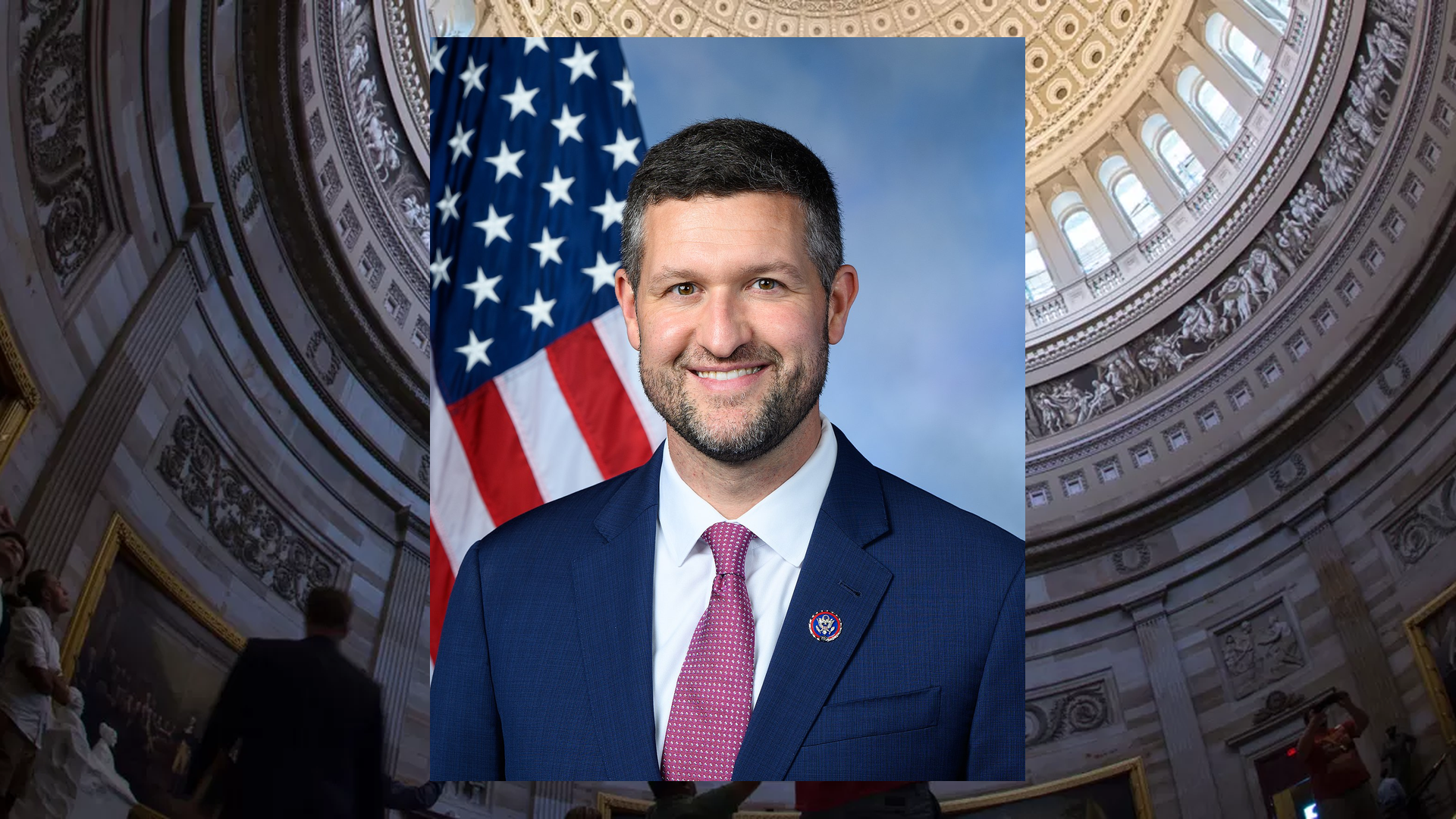
- Bipartisan lawmakers led by Rep. Pat Ryan and Rep. Val T. Hoyle pushed bills in May 2026 to block unauthorized military funding and tighten definitions of 'hostilities' with Iran.
- Despite momentum, war powers resolutions narrowly failed in both chambers, as Congress clashed with the White House over shifting war aims and the USS Ford’s record 10-month Hormuz deployment.
- A $200 billion supplemental military request and Iran’s disruptive tactics are straining U.S. resources and global oil markets, with election-year politics fueling the Capitol’s gridlock.
Congress Fights for War Authority
Bipartisan lawmakers are rewriting the rules of military engagement, pushing sweeping bills to close loopholes and demand direct Congressional approval before any U.S. action against Iran.
By early May 2026, a wave of legislative initiatives emerged in Congress aimed at curbing unauthorized U.S. military actions against Iran, underscoring a bipartisan push to reassert Congressional war powers. Congressman Pat Ryan led a bill backed by 14 Democratic veterans to block military funding without explicit Congressional approval, while Representative Val T. Hoyle introduced H.R. 8592, the No War Appropriations through Reconciliation Act, which would prohibit reconciliation bills from including funds for hostilities against Iran unless Congress explicitly authorizes them. Hoyle’s bill notably defines 'hostilities' broadly, encompassing offensive operations, covert actions, and proxy engagements, thereby closing loopholes that might allow military actions without legislative oversight.
The legislative momentum extended beyond the House, with Senator Tammy Duckworth introducing a resolution demanding the withdrawal of U.S. forces from Iranian hostilities absent Congressional authorization, joining at least five other resolutions collectively signaling significant pushback against executive military initiatives. This surge reflects growing frustration over the administration’s shifting justifications for military actions, with lawmakers criticizing inconsistent goals—from regime change to neutralizing Tehran’s military capabilities—and demanding clearer oversight and accountability.
Despite these efforts, partisan divides have stymied Congressional attempts to limit war powers, as seen in narrow defeats of key resolutions in both chambers. The House rejected a war powers resolution by a 212–219 vote, with only two Republicans joining Democrats in support, while the Senate similarly voted down a measure 47–53 despite bipartisan backing from figures like Senators Tim Kaine and Rand Paul. These close votes highlight Capitol Hill’s deep frustration with the administration’s unclear war aims and the ongoing debate over the applicability of the War Powers Resolution’s 60-day limit amid claims that hostilities ended after an April ceasefire.
Individual lawmakers continue to champion efforts to end U.S. military involvement in Iran, emphasizing constitutional prerogatives and fiscal responsibility. Representatives Sara Jacobs, Shontel Brown, Lou Correa, and Emily Randall have introduced or supported resolutions citing the risks to American troops, the $29 billion taxpayer cost, and the absence of Congressional authorization as grounds to end hostilities. Their persistent advocacy underscores a broader legislative concern that military engagements without clear Congressional mandate not only undermine constitutional checks and balances but also impose unsustainable human and economic costs.



USS Ford’s Deployment Fallout
The Navy faces a maintenance crisis and mounting costs as Congress questions the Pentagon’s transparency after the USS Ford’s record-breaking 10-month blockade in the Strait of Hormuz.
Congressional leaders have intensified scrutiny over the Pentagon's handling of the USS Ford's unprecedented 10-month deployment in the Strait of Hormuz, spotlighting significant oversight gaps amid escalating U.S.-Iran tensions. This prolonged naval presence, part of a broader blockade strategy, has raised alarms about operational trade-offs and the need for clearer war powers authority, as lawmakers demand enhanced transparency and accountability in military decision-making.
Iran’s innovative 'crypto tollbooth' tactics have compounded the challenges faced by U.S. naval forces, disrupting operations and exacerbating global oil supply shocks, thereby intensifying the strategic complexity of maintaining a blockade in the Strait of Hormuz. These asymmetric tactics not only strain the USS Ford’s operational readiness but also underscore the evolving nature of Iran’s resistance, complicating Pentagon efforts to sustain prolonged deployments under high-tension conditions.
The extended deployment of the USS Ford has triggered a looming maintenance backlog and forced the Navy into difficult decisions regarding training and operational priorities, as Admiral Cottle warned of the 'massive maintenance backlog' awaiting the fleet upon return. Concurrently, Congressional skepticism mounts over the opaque costs and funding requests associated with these operations, with figures like Senator Jack Reed expressing frustration over unclear budgetary numbers and a White House hesitant to submit supplemental defense funding, reflecting bipartisan reluctance to endorse the ongoing conflict financially.

War Powers Gridlock Fuels Uncertainty
Partisan infighting over war powers is stalling diplomacy, spiking global energy prices, and forcing Congress to confront the staggering $200 billion cost of prolonged conflict with Iran.
The war powers battles over U.S. military engagement with Iran have deepened partisan gridlock in Washington, complicating consensus on whether to pursue costly military action or multilateral diplomatic negotiations. As lawmakers clash amid soaring energy prices—highlighted by Energy Secretary Chris Wright’s warning that gasoline and diesel costs will remain elevated—this political stalemate not only stalls peace talks but also intensifies domestic pressure, with some Republicans fearing the conflict’s economic drag could jeopardize their November election prospects. This dynamic underscores how the war powers debate is inextricably linked to electoral politics and the broader struggle over executive versus congressional authority.
Beyond domestic politics, the U.S.-Iran tensions ripple across the global geopolitical landscape, exacerbating instability in critical regions like the Strait of Hormuz and amplifying strategic rivalries with powers such as China. The blockade threats to Gulf energy infrastructure—including desalinization plants and LNG facilities in Qatar—pose profound risks not only to regional economies but also to global energy markets, fueling price shocks that reverberate through sectors from technology to defense. Meanwhile, the concurrent China-Taiwan tensions compound Washington’s strategic brinkmanship, revealing a complex web of interconnected crises that challenge unified U.S. responses and heighten uncertainty about the international order.
The escalating conflict’s financial toll is starkly reflected in the administration’s unprecedented $200 billion supplemental military funding request, a fivefold increase from earlier estimates, signaling bipartisan recognition of strained defense resources and the difficult trade-offs between Middle East engagements and Indo-Pacific deterrence priorities. This fiscal pressure, coupled with the president’s shifting war aims—from regime change to degrading Iran’s capabilities—has left Congress grappling with legislative clarity and oversight challenges, further complicating the war powers debate and raising questions about the sustainability of prolonged U.S. military involvement.
