Creators ditch algorithms, double down on owned audiences
The gist
As algorithms slash organic reach, creators are ditching rented platforms and building empires on owned audiences they actually control.
What to know
- Retro Dodo lost 85% of its Google traffic and Agenda Dialogues saw organic reach halved yearly by 2026, making platform distribution a risky bet.
- Creators like Alicia and Lenny Rachitsky pivoted to newsletters—Substack, beehiiv, and Skool—fueling lists of 1.2 million subscribers and direct access to fans.
- Owned channels win on economics: Tyler Dink generated $10,000 in 10 minutes from his newsletter, while Gary Vee scaled from 50,000 email subscribers in 1997 to a company with 3,000 employees.
Algorithms Lose Their Power
Creators watched once-reliable platforms slash organic reach year after year, turning algorithmic distribution from a growth engine into a liability as audience access slipped out of their hands.
By mid-2026, creators were treating algorithmic distribution as a deteriorating asset rather than a dependable growth engine. Agenda Dialogues captured the shift in blunt terms: “we all flocked to Facebook because the organic reach was high and we thought that we owned the audience… we lost 50% of our organic reach every year… I don't own this audience,” a warning that in the “interest algorithm era,” even a large following no longer guaranteed access because platform ranking systems, not audience size, determined who actually saw a post.
Search looked just as fragile, and more expensive to recover through paid channels. Really Good Business Ideas pointed to Retro Dodo, which published original retro gaming gear reviews but, after “Google shipped one of its core algorithm updates, and Retro Dodo’s traffic fell off a cliff,” lost “roughly 85% of its organic traffic,” while the same analysis warned that AI assistants increasingly answer users directly and that paid reach is rented “by the click” as platforms keep raising prices; that pressure helps explain why one operator said, “I've hired a chief data officer whose sole remit over the next hundred days is to build the data warehousing the enrichment process so that I can own those 15 million… that's priority number one now.”


Email Lists Become Lifelines
Facing pay-to-play digital landscapes and AI-dominated search, creators invested in direct audience infrastructure—like email capture and paid communities—transforming ownership into a competitive necessity.
Creators did not answer the algorithmic squeeze with better posting tactics; they answered it by buying control. In Around the Bonfire, Kevan Lee and Shannon Deep described the “most obvious channel for discoverability in 2026—aka the internet” as “a maze of pay-to-play gates designed to maximize profit for the gatekeepers,” adding, “Now, you also need cold hard cash,” a diagnosis that helps explain why audience ownership became infrastructure, not branding: email capture, newsletter subscriptions, and direct community channels that let creators reach customers without asking platforms for permission each time.
By late 2026, that response had hardened into operating practice and tooling. The IAB found adapting to consumer behavior, including AI-driven search, was the top media investment challenge for 44% of respondents, while “optimizing content for AI-generated answers” was the No. 1 area of increased focus at 76%; meanwhile, owned channels were producing tangible businesses, from From Boise’s 25,400-subscriber newsletter generating more than $123,000 this year to Community Impact, which runs more than 40 daily newsletters across more than 60 Texas communities and saw 1,234 businesses advertise in its CI Morning Impact in a single year, supported by platforms such as Skool and beehiiv that run many paid communities and newsletters—Skool charging owners $9 or $99 a month plus a transaction fee, and beehiiv paying creators through its ad network while taking no cut of paid subscriptions.


Newsletters Anchor Creator Strategy
After platform algorithms abruptly choked reach, creators shifted to newsletters and memberships to secure subscriber data and build resilient, direct communication channels.
Creators’ response was not just to post differently, but to move distribution into channels they could directly control. In Write • Build • Scale, Alicia said LinkedIn “changed their algorithm overnight,” after which “impressions plummeted” and leads dried up, teaching her “how powerless you are when there is an algorithm between you and what you put out”; she turned to Substack as “risk mitigation” because subscribers yield email addresses, and the same guidance says that as creators scale they should graduate into ESPs like Kit or Beehiiv for automations, segmentation, backups, and a durable owned list.
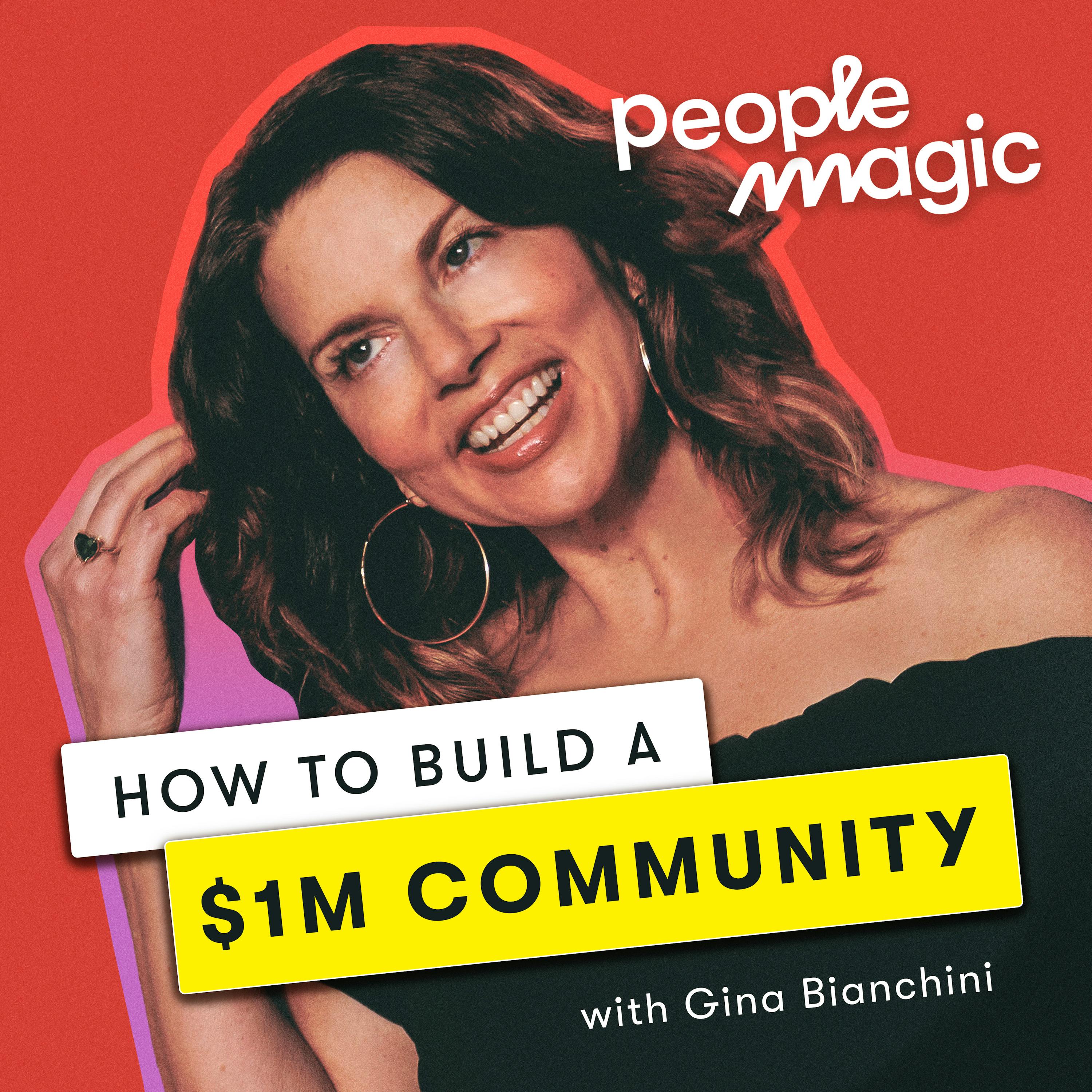
That pivot increasingly centered on newsletters and memberships as infrastructure for direct access, not just content formats. Gina Bianchini asked, “Do you have email addresses for all 50,000 of those subscribers?” and answered, “Probably not,” arguing memberships solve that by capturing email and behavioral data; meanwhile Lenny Rachitsky said he started his newsletter in 2019 and it now has “over a million subscribers,” specifically “1.2 million,” while one Substack analysis distilled the new playbook: “The feed is the customer-acquisition engine for the newsletter,” but the owned asset is the inbox and the subscriber list behind it—indeed, “the single most valuable assets I have… are the 2,250 people of the 6,000 total subscribers on my Substack that open every single article I write.”

Direct Channels Drive Revenue
Owned email lists outperformed social feeds on both engagement and monetization, letting creators convert attention into revenue with unmatched efficiency and control.
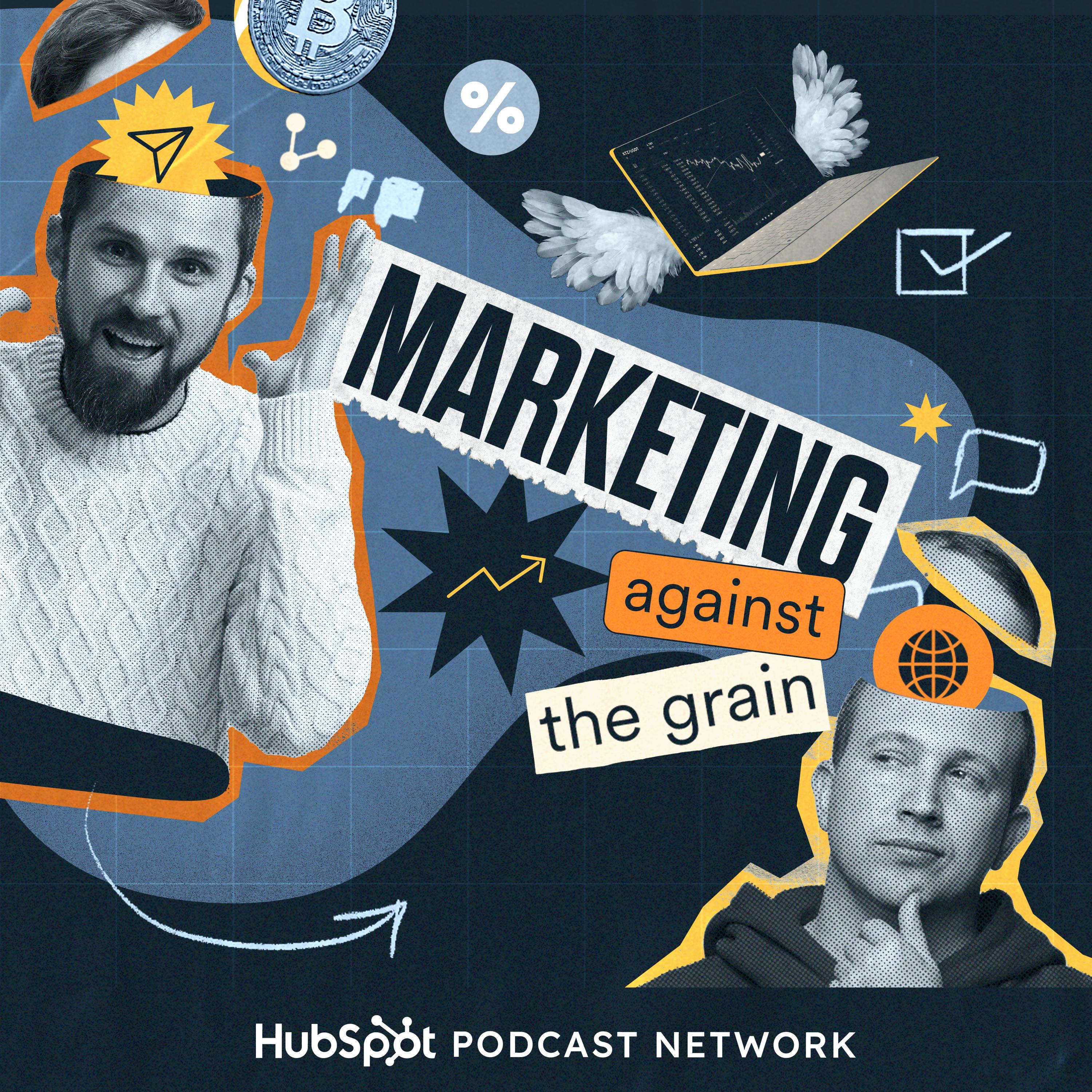
The business case for owned audiences is clearest in conversion economics: on Marketing Against The Grain, Tyler Dink said, “It was successful on a personal level because I made $10,000 for 10 minutes of work… the power of an owned audience… [it’s] the craziest ROI positive investment you could possibly make.” He sharpened the comparison by contrasting effort and output — “Maybe you spend 30 minutes making your video… and I spend five minutes from start to finish.” Dink said his personal newsletter reached 130,000 subscribers and that he is “now turning that into a multimillion dollar pipeline for his company,” a result that shows how a controlled list can move from attention to measurable revenue far more directly than a social following.
Owned channels also win on engagement because they are delivered, not merely surfaced: Dink contrasted feeds by saying, “Everything’s algorithm driven… not 100,000 people are actually going to get the notification or see that video,” whereas “when I send my newsletter Every Tuesday to 130,000 people, 130,000 people receive it directly in their inbox.” That advantage matters because email already commands attention: a Northeastern University study of 4,608 U.S. adults found email took 24.9 per cent of online time, almost level with social media’s 25.3 per cent and nearly ten times news websites’ 2.5 per cent.
Durability is the third leg of the case: Looped In wrote that “Paid is structurally and creatively exhausted,” noting that between January 2025 and January 2026 paid search click share roughly doubled while classic organic click share fell by as much as 23 percentage points, meaning advertisers were paying more to hold the same ground as “create demand” went mainstream. By contrast, INMA benchmarking across 317 news brands found publishers with greater newsletter penetration also tend to have more digital subscriptions, and the median newsletter audience is six times larger than the subscriber base, a compounding pool of future buyers.


Audience-First Businesses Emerge
Top creators now operate like founders, building robust companies around audience access and long-term relationships—turning subscribers, not just content, into enduring assets.
The clearest sign of the new creator model is that top operators no longer behave like publishers selling content; they behave like founders building systems around audience access. Gary Vee says he is posting “organically on nine platforms, 57 different handles, and posting over 400 pieces of organic content a day,” but he roots the durable business in owned infrastructure: “So, I launched the first e-commerce wine website in America, 1996. Email marketing,” then “In 1997, I had about 50,000” newsletter subscribers, before adding, “I run a company… We are almost 3,000 people globally,” and “I got really passionate about building an infrastructure, what I would call an operating system.”
That founder logic now defines the strongest creator businesses: content attracts attention, but the company is built on the audience that attention can be organized into and served over time. Prof G Media says the “founder-influencer has become a defining feature of 2026 startups,” with founders “posting six or more times a day,” “spending 70% of their workday on content,” and “building audiences even” before products; Marketing Against The Grain describes “the Beehive Media Collective” backing “about 35 incredible independent journalists,” where “there’s zero money being generated from this initiative, it’s a cost,” while “No Mercy No Malice turned 10… 10 years of Scott writing the same newsletter every Friday” shows the enduring asset is the relationship itself.