Cyber frontlines blur: iran’s hybrid attacks expose critical weaknesses as global cyber wars escalate
The gist
Iran’s hybrid cyber-physical attacks are redrawing the map of global conflict, exposing critical infrastructure vulnerabilities and forcing a seismic rethink of cybersecurity and geopolitics.
What to know
- Iran-backed groups like Handala wiped 200,000 devices across 79 countries and stole 50TB of data from Stryker in June 2024, marking a new era of destructive cyber warfare.
- Attackers are exploiting trusted enterprise tools like Microsoft Intune and AWS, while agencies like CISA struggle to respond amid leadership gaps and funding cuts.
- Emerging threats leverage AI evasion tactics and quantum risk, making identity governance, least-privilege access, and rapid containment essential for survival.
Cybersecurity as Geopolitical Power
Nations now wield cybersecurity as a strategic weapon, forcing CISOs to navigate a world where digital defense directly shapes global influence and economic control.
By early 2026, cybersecurity had decisively emerged as a cornerstone of global power and sovereignty, catalyzing a wave of strategic decoupling among nations, vendors, and data ecosystems. This shift reframed cybersecurity from a purely technical challenge into a potent instrument of geopolitical strategy and economic control, as exemplified by incidents like Kyowon's breach and Microsoft’s takedown operations. Consequently, CISOs found themselves compelled to expand their remit beyond compliance, integrating geopolitical dynamics into their security playbooks to navigate this complex new landscape.
The year(https://www.prnewswire.com/news-releases/recorded-future-2026-state-of-security-report-warns-cyber-operations-have-become-a-core-tool-of-global-power-302686566.html) marked a pivotal inflection point where cyber operations became inextricably linked to tangible geopolitical outcomes, transforming cyber activity into a persistent and dynamic layer of pressure influencing crisis escalation, deterrence, and global stability. Recorded Future’s 2026 State of Security Report underscored how nation-states increasingly leverage cyber access—particularly targeting network edges and critical connectivity infrastructure—to execute brief, reversible disruptions that signal power without crossing escalation thresholds. Levi Gundert aptly summarized this evolution, noting that cyber risk in 2026 is less about isolated incidents and more about sustained, fragmented pressures that reshape geopolitical competition and instability over time.
Artificial intelligence has accelerated the complexity and scale of cyber deception, identity abuse, and uncertainty, outpacing institutional adaptation and thereby intensifying geopolitical instability in 2026. This technological acceleration compounds the challenges of attribution and response, embedding cyber operations deeper into the fabric of conflict itself rather than mere precursors to kinetic warfare, as Dr. Ahlberg emphasized: 'Cyber operations are no longer preparation for conflict—they are part of conflict.'
The merging of cyber and kinetic warfare has introduced novel hybrid threats that traditional defense models struggle to anticipate. As cybersecurity expert Matt Suiche highlighted, relatively low-cost drones—some costing as little as $20,000—have inflicted more disruption on critical infrastructure, including Amazon data centers, than many cyber exploits. Meanwhile, cyber operations in geopolitical conflicts continue to prioritize espionage, reconnaissance, and misinformation campaigns, such as recent Israeli cyber actions against Iran designed to sow confusion rather than cause direct destruction, underscoring a strategic preference for subtle influence over overt damage.



Hybrid Warfare Redefines Conflict
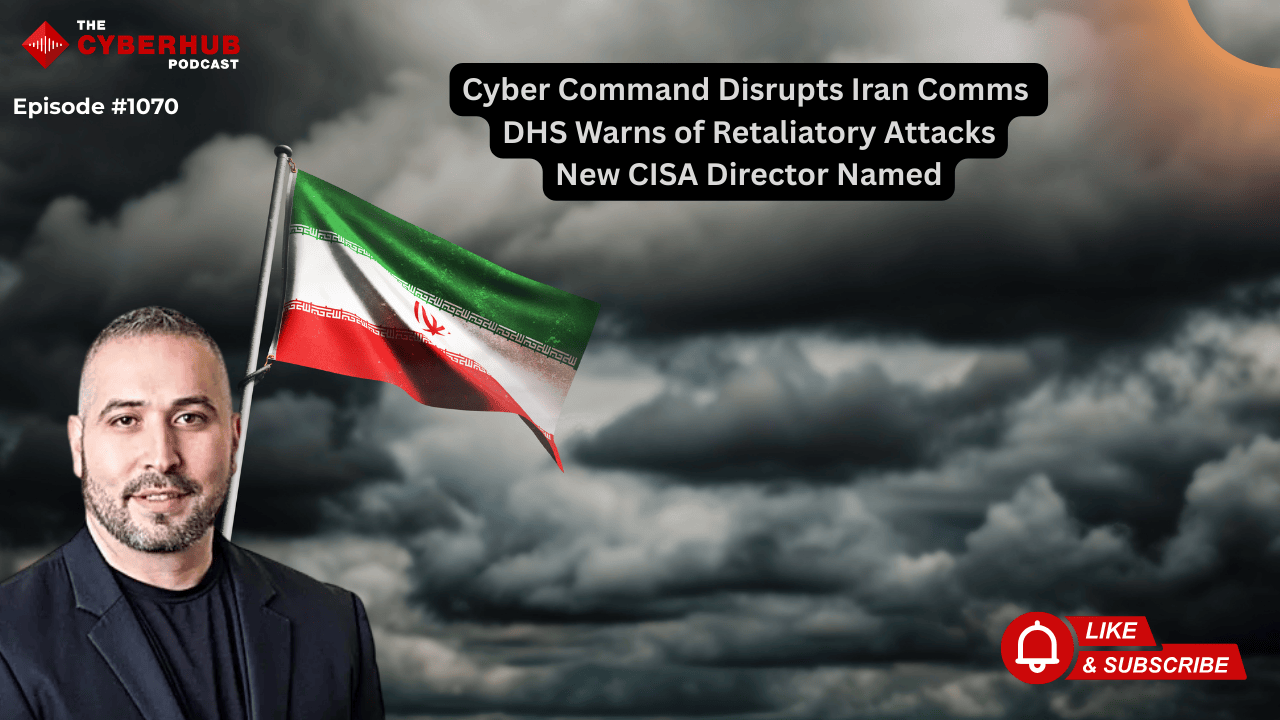
Iran’s synchronized cyber and physical attacks, exemplified by the Handala wiper campaign and drone strikes, blur the boundaries between digital assault and real-world destruction.
By early 2026, Iran has markedly escalated its hybrid cyber-physical warfare tactics, synchronizing kinetic missile strikes with immediate cyber retaliation campaigns that disrupt critical infrastructure and digital networks. This approach, exemplified by the U.S.–Israel coordinated strikes followed by Iranian cyber counterattacks, mirrors the layered conflict dynamics seen in Russia–Ukraine, where cyber operations serve as a deniable yet strategic escalation layer. The Department of Homeland Security and UK authorities have issued heightened warnings about credible threats of both cyber and physical retaliatory attacks, underscoring the blurred lines between cybersecurity and physical security in this evolving battlefield.
Iran’s hybrid offensive now prominently features destructive wiper malware campaigns and drone strikes targeting high-value Western infrastructure, including the unprecedented June 2024 attack on medical technology giant Stryker, where the pro-Iranian hacktivist group Handala remotely wiped over 200,000 devices across 79 countries using compromised Microsoft Intune credentials. This attack not only disrupted global operations but also exfiltrated 50 terabytes of sensitive data, marking a significant escalation in Iran’s cyber capabilities and signaling a shift toward impactful, damage-focused cyber-physical operations beyond symbolic defacements or espionage. The FBI’s subsequent seizure of Handala-operated domains highlights the growing law enforcement response to these state-linked cyber threats.
Iran’s cyber operations are increasingly sophisticated in coordination and scale, involving at least three government entities—the Ministry of Defense, Ministry of Intelligence, and the IRGC—often collaborating with cybercriminal groups and pro-Russian hackers to form coalition adversarial networks. These alliances enable shared infrastructure and tooling, amplifying Iran’s reach and operational tempo, as seen in combined drone strikes on AWS data centers in the Gulf and coordinated cyber campaigns against critical sectors like energy, finance, and healthcare. Despite leveraging AI to scale reconnaissance and attack volumes, Iran’s cyber sophistication remains behind top-tier powers, with operational bugs evident in AI-enabled malware, reflecting an evolving but still maturing cyber warfare capability.
The broader hybrid threat landscape shaped by Iran features a complex mix of state-sponsored actors, hacktivist groups, and proxy militias engaging in persistent reconnaissance, credential harvesting, and psychological operations designed to intimidate and destabilize rather than solely cause immediate destruction. This is illustrated by the activation of Iran’s Electronic Operations Room coordinating around 60 hacktivist groups via Telegram, the use of spyware-laden texts timed with missile strikes, and widespread low-impact cyberattacks serving as morale-boosting signals. Meanwhile, sectors like healthcare and organizations holding sensitive personal data remain particularly vulnerable to destructive malware and data leaks, highlighting critical gaps in cyber resilience that adversaries continue to exploit amid ongoing geopolitical tensions.


Critical Sectors Under Siege
Iranian state-linked groups are targeting healthcare, finance, and utilities with relentless wiper attacks and supply chain disruptions, prioritizing operational paralysis over ransom.
By early 2026, critical infrastructure sectors such as healthcare, energy, finance, and supply chains have become prime targets for increasingly sophisticated and destructive cyberattacks, often linked to Iranian state-sponsored groups. The March 2026 breach of the University of Hawaii Cancer Center exposed sensitive data of over one million individuals, while the medical technology giant Stryker suffered a devastating wiper malware attack by the Iranian-backed Handala group that wiped 200,000 devices across 79 countries and exfiltrated 50 terabytes of data, severely disrupting global hospital operations and supply chains. Similarly, financial institutions and utilities face heightened risks amid geopolitical flashpoints, with Iranian cyber units historically focusing on these sectors to inflict operational outages rather than mere data theft, underscoring a shift towards 'scorched earth' tactics prioritizing availability disruption over ransom demands.
The exploitation of trusted enterprise tools and management platforms has emerged as a critical vulnerability vector in these attacks. The Stryker incident notably involved the compromise of Microsoft Intune's administrative roles, enabling attackers to remotely wipe nearly 80,000 devices, a tactic that CISA and Microsoft have since warned against by recommending least-privilege access, multi-factor authentication, and multi-admin approval for sensitive actions. Beyond healthcare, Iranian threat actors have weaponized Mobile Device Management (MDM) platforms and exploited vulnerabilities in cloud services such as AWS and widely used ERP systems like Oracle EBS, amplifying the cascading effects of breaches across multiple organizations and sectors.
Under-resourced agencies like CISA face significant challenges in maintaining leadership continuity and operational capacity amid escalating geopolitical cyber threats, with Senate gridlock contributing to leadership vacuums that adversaries exploit to probe seams in federal cyber defenses. Funding cuts further exacerbate these vulnerabilities, limiting the agency's ability to respond effectively to emerging malware strains and complex attack techniques targeting critical infrastructure components such as network edge devices, IoT systems, and endpoint management platforms. As Michael Smith of DigiCert notes, many attacks remain unreported, placing additional strain on these agencies and complicating efforts to safeguard vital sectors.
Sector-specific vulnerabilities reveal a nuanced threat landscape where healthcare entities, including EMS providers and billing vendors, face compounded risks due to interconnected supply chains, while financial institutions have developed relatively robust defenses against denial-of-service and phishing attacks. However, healthcare's reliance on operational technology and the criticality of system availability make it especially susceptible to destructive wiper malware, as demonstrated by attacks on Stryker and Bell Ambulance. Meanwhile, emerging threats such as AI-powered malware command-and-control channels and vulnerabilities in surveillance and security products like Honeywell CCTV and TeamT5’s ThreatSonar further complicate defense strategies across critical infrastructure sectors.


Policy Shifts and Agency Strain
NATO’s pivot to retaliation and deep U.S. funding cuts have left cyber defense agencies undermanned and exposed, even as threats escalate and leadership gaps widen.
By early 2026, NATO marked a decisive policy evolution by shifting from a posture of deterrence to one emphasizing tangible consequences for state-backed cyber threats, particularly targeting persistent operations by Russia and China. At the Munich Security Conference, NATO’s Deputy Secretary General underscored the alliance’s readiness to impose costs through sanctions, trade pressure, and diplomatic retaliation, acknowledging the risk of escalation but deeming unchecked exploitation unacceptable. This strategic pivot signals that geopolitical cyber risks are no longer abstract concerns but concrete business and operational challenges, compelling multinational organizations to brace for supply chain disruptions and retaliatory cyber activity.
Meanwhile, the U.S. Cybersecurity and Infrastructure Security Agency (CISA) has been grappling with severe leadership instability and workforce depletion, with staffing slashed by roughly one-third—from about 3,700 employees in early 2025 to around 2,200 by mid-2025—amid Senate gridlock delaying confirmation of permanent leadership. Acting directors like Nick Anderson have stepped in during turbulent times marked by escalating threats, including Iranian-linked cyberattacks such as the Handala group’s destructive wiper malware on Stryker devices. Despite these challenges, CISA continues issuing critical vulnerability advisories, yet the agency’s capacity to coordinate and respond effectively is critically undermined by furloughs, suspensions, and funding cuts.
The Trump administration’s proposed $700 million budget cut to CISA for fiscal year 2027, reducing its operating budget to approximately $2 billion, exacerbates concerns about the agency’s ability to defend national cybersecurity interests amid rising foreign threats. Justifying the cuts by accusing CISA of waste and censorship—particularly regarding election misinformation efforts—the administration aims to refocus the agency on securing federal civilian networks and critical infrastructure, eliminating programs deemed redundant, including those addressing school safety and international affairs. This proposal follows earlier workforce reductions of nearly 1,000 staff, even as CISA seeks to hire over 300 mission-critical employees, highlighting a tension between resource constraints and operational demands, although Congress has previously pushed back against deep cuts.
Amid these systemic challenges, cybersecurity experts emphasize the urgent need for renewed political will and community engagement to bolster national resilience. Acting CISA Director Nick Anderson advocates for a flexible, partnership-driven incident response model that leverages the strongest relationships across critical infrastructure sectors, moving beyond rigid agency silos. Additionally, calls for constituents to pressure local and state representatives for stronger cybersecurity funding, alongside pro bono contributions from cybersecurity professionals to support cyber clinics, underscore that safeguarding critical infrastructure requires a collective effort. Without such coordinated political and community support, the growing asymmetric cyber capabilities of adversaries like Iran and China threaten to outpace the nation’s defensive will and resources.



Survival Demands Adaptive Defense
Only organizations with rapid containment, strict identity controls, and political support can withstand the new era of state-driven, identity-focused cyberattacks.
By early 2026, adaptive defense strategies have become indispensable for organizations facing escalating geopolitical cyber threats, particularly from Iranian-linked actors. Horizon3.ai’s NodeZero® platform enhancements and CISA’s urgent recommendations underscore the critical need for rapid remediation of attack surfaces, deployment of decoys, and robust SOC controls such as EDR and SIEM. The devastating Handala group attack on Stryker, which involved stealing 50 terabytes of data and wiping nearly 80,000 devices via Microsoft Intune, starkly illustrates the consequences of insufficient identity governance and the necessity of least-privilege access combined with multi-factor authentication and multi-admin approval for sensitive actions to prevent catastrophic breaches.
The evolving threat landscape demands CISOs shift from traditional intrusion prevention to survival-focused strategies that emphasize containment and internal controls. Iranian wiper attacks typically leverage legitimate administrative tools for lateral movement and privilege escalation, rendering conventional malware detection ineffective. A five-step containment approach—including identity-aware access controls, enforced MFA on administrative services, and continuous visibility into identity access—has emerged as a best practice to limit damage from credential theft and lateral movement, as highlighted in the aftermath of the Handala attack on Stryker.
Beyond technical controls, the resilience of critical infrastructure hinges on political will and community collaboration. Experts emphasize that federal funding for coordinating bodies like SISA and grassroots engagement with local representatives are vital to advancing mandatory cybersecurity measures. Moreover, pro bono contributions from cybersecurity professionals and managed service providers bolster defenses for local critical infrastructure, reflecting a growing recognition that combating sophisticated state-linked hacktivist groups requires not only technology but also sustained political and communal support.
Maintaining resilience also involves rigorous operational discipline in validating breach claims and managing communications. Organizations are advised to adopt systematic, data-driven approaches to assess breach reports, avoiding reactionary responses to false or exaggerated claims, which are common tactics by threat actors. A well-prepared and tested communications plan can mitigate reputational damage and control narratives, often influencing public perception more than the technical incident response itself. Continuous vigilance through SOC operations, vendor management, and legal consultation remains essential to sustain a positive security posture amid activist-driven threats.


Quantum and AI: New Frontiers
Quantum advances threaten to obsolete today’s encryption while AI-driven attacks evade detection, forcing defenders to rethink the fundamentals of digital security.
By early 2026, quantum cryptography, originally developed by pioneers Charles Bennett and Gilles Brossard with the BB84 protocol, is regaining critical importance as advances in quantum computing by tech giants like Google and Microsoft threaten to render traditional encryption obsolete. This physics-based approach to encryption offers a promising defense against the looming quantum threat, underscoring a pivotal shift in securing critical infrastructure against next-generation cyberattacks.
The rapid proliferation of AI technologies such as AWS Bedrock and Langsmith has outpaced the implementation of robust security measures, exposing new vulnerabilities that attackers are quick to exploit. Researchers have identified flaws allowing manipulation of AI outputs and unauthorized data access, highlighting AI as a burgeoning attack surface that demands urgent attention. As organizations rush to integrate AI, the risk of data breaches and compromised business operations escalates, emphasizing the necessity for layered defense strategies that combine AI-driven detection with traditional static and dynamic analysis.
Attackers are increasingly leveraging sophisticated techniques to evade AI-based detection systems, exemplified by the novel use of font rendering tricks and CSS manipulations demonstrated by LayerX. These methods exploit parsing gaps in AI assistants, enabling malicious instructions to remain hidden from automated defenses and facilitating advanced social engineering campaigns without relying on traditional exploits. This evolution in tactics reveals a dangerous cat-and-mouse dynamic where adversaries not only breach networks but also adapt rapidly, scaling operations through AI and automation in ways most organizations are ill-prepared to counter.
Persistent cyber threats are becoming more strategic and complex, as evidenced by Iranian operators maintaining long-term footholds within U.S. networks and the expansive GlassWorm supply chain attack impacting over 400 repositories across platforms like GitHub and NPM. These developments highlight a shift from opportunistic breaches to sustained, multifaceted campaigns that blend espionage, disruption, and supply chain compromise. The scale and sophistication of these threats underscore the critical need for continuous adaptation, rigorous third-party code validation, and cross-sector collaboration to bolster resilience against evolving geopolitical cyber risks.