Deep fission’s pipeline surges on AI nuclear demand
The gist
Hyperscale tech giants are igniting a nuclear gold rush, driving 41% of new U.S. reactor demand as AI data centers scramble for scalable, carbon-free power.
What to know
- Over half of new U.S. data centers are projected to use behind-the-meter nuclear power solutions like SMRs by 2028, bypassing grid bottlenecks.
- Meta and other hyperscalers are shaking up nuclear financing with flexible, milestone-based investments and 20-year power deals for clean, reliable energy.
- Korean innovators and U.S. startups are racing to deliver modular reactors—big and micro—tailored to the nonstop, high-octane needs of AI infrastructure.
Hyperscalers Redefine Nuclear Demand
Tech giants now drive over 40% of new U.S. nuclear capacity, reshaping the market with tailored reactor orders and accelerating the sector’s diversification beyond utilities.
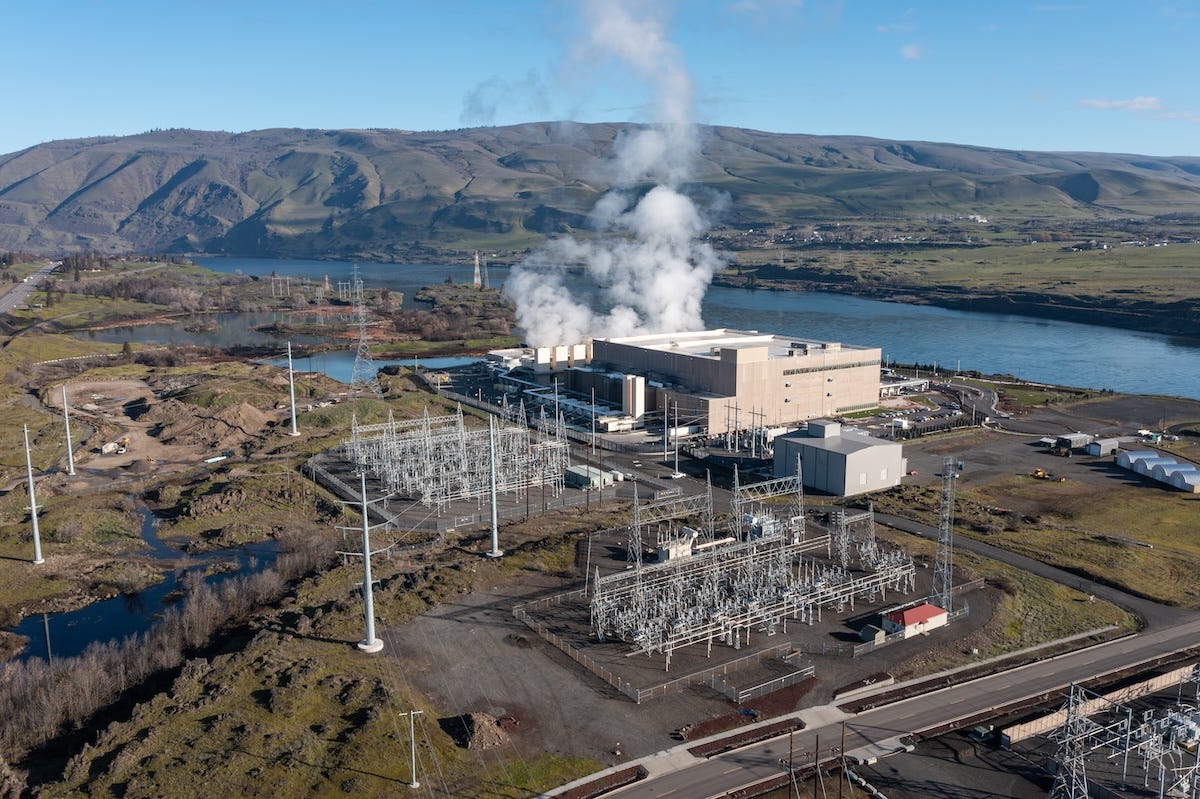
Hyperscalers have rapidly emerged as the dominant force driving nuclear energy demand in the United States, now accounting for 41% of the 74 GW of announced or prospective new nuclear reactor capacity—more than double the 18% share held by traditional utilities and public-power buyers. This surge is fueled by the hyperscalers’ urgent need for carbon-free, scalable, and baseload power to sustain their gigawatt-scale AI data centers, positioning nuclear as the only energy source that meets their stringent energy trilemma. Companies like Deep Fission exemplify this trend, with their customer pipeline swelling to 18.5 GW on the back of growing data center interest, underscoring the sector’s rapid expansion and investment appeal.
The nuclear market is undergoing a profound diversification not only in buyer profiles but also in reactor technologies, reflecting tailored solutions for a variety of use cases. Small modular reactors (SMRs) and non-light-water reactor designs now represent the majority of new orders across deployment stages, signaling a shift away from reliance solely on large light-water reactors. This diversification enables nuclear energy to meet the distinct needs of hyperscalers, utilities, public institutions, and industrial customers alike, with SMRs fitting public power systems and data-center corridors, while microreactors find early adoption in defense and critical infrastructure sectors.
While hyperscalers are the visible drivers of new nuclear demand, utilities and public institutions remain crucial in the deployment ecosystem, providing the necessary interface for project realization. This evolving buyer landscape creates a complex matrix of orderbooks that blends diverse reactor designs, financing structures, and licensing pathways, which in turn standardizes and accelerates nuclear deployment. Programs like the DOE’s American Nuclear Supply Chain Loans are instrumental in reducing costs and streamlining long-lead equipment procurement, enabling repeatable project models that cater to both fast-growing commercial customers and traditional utility frameworks.
The resurgence of nuclear energy as the backbone for AI data centers is not only a response to the pressing power bottleneck but also a lucrative investment opportunity, with power generation assets delivering a remarkable +785% return through June 2026—far outpacing semiconductors at +291%. This financial performance underscores nuclear’s unique value proposition as a reliable 24/7 power source essential for sustaining the continuous, high-demand operations of hyperscale AI infrastructure, cementing its role as a cornerstone in the clean energy transition for data-intensive industries.



Behind-the-Meter Power Surge
AI data centers are triggering a boom in onsite nuclear and hybrid generation, bypassing grid bottlenecks and fueling a 50 GW annual equipment market by 2029.
As US grid capacity nears its limits, behind-the-meter (BTM) power solutions have surged as a vital strategy for AI data centers, with projections indicating that over half of new US data centers will rely on BTM by 2028, driving a total addressable market for BTM equipment to exceed 50 GW annually by 2029. Companies like Bloom Energy and Bergen Engines have demonstrated the practicality of onsite generation to circumvent grid constraints, enabling data centers to secure reliable, localized power without waiting for prolonged grid upgrades. This shift reflects a pragmatic response to the grid’s diminishing headroom, which is expected to turn negative by 2027, underscoring BTM’s role as both a bridge and potentially a long-term solution for hyperscalers reluctant to become power companies themselves.
Small modular reactors (SMRs) are emerging as a game-changing behind-the-meter and near-site power solution tailored to the continuous, high-uptime demands of AI data centers. Their modular design and smaller scale—ranging up to roughly 300 MW—allow siting closer to load centers and incremental capacity expansion aligned with data center growth. Notably, Dow’s partnership with X-energy to deploy an SMR at a Texas chemical facility exemplifies early industrial adoption that could blueprint future colocated nuclear-data center campuses. Federal initiatives, including DOE’s $94 million funding for site preparation and licensing in collaboration with TVA and Holtec, are accelerating these deployment pathways, prioritizing high-value use cases where power reliability and cost are critical.
The evolving geography of AI infrastructure development increasingly favors locations where power availability, policy incentives, and community support converge, moving beyond traditional hubs to emerging markets such as Pecos and Abilene in Texas and gigawatt-scale pipelines in Louisiana. This strategic site selection is driven by executable power capacity constraints, prompting data center operators to integrate behind-the-meter generation—often natural gas or emerging nuclear solutions—to ensure phased development aligns with reliable power delivery. Complementary technologies like battery storage further enhance the viability of BTM strategies, while policy frameworks supporting direct power contracts and non-firm transmission services are critical to accelerating deployment and shaping where capacity materializes.

New Models for Nuclear Financing
Hyperscalers and global banks are upending nuclear project funding with milestone-based deals and innovative capital structures, paving the way for scalable, bankable reactor deployments.
Hyperscalers such as Meta are pioneering milestone-based, non-binding investment strategies in nuclear energy, exemplified by Meta’s 20-year power purchase agreements with Vistra’s nuclear plants and partnerships to develop small modular reactors (SMRs). This approach treats nuclear projects as strategic options contingent on regulatory approvals and project milestones, reflecting a long-term vision for scalable, clean firm power rather than immediate speed to power. As noted, these contracts serve more as flexible commitments that can be executed only if key conditions are met, underscoring a cautious yet forward-looking investment posture.
International development banks, led by the World Bank and Asian Development Bank, have notably shifted their policies to support nuclear investments, particularly focusing on life extension of existing plants and SMRs, signaling a critical evolution in financing nuclear projects. This policy pivot enables bundling of international and domestic demand to create viable order books, and crucially, it helps level the playing field for U.S. nuclear technologies against state-backed competitors like Russia and China by providing access to development bank capital. While no bankable SMR proposals have yet materialized, this emerging public-private financing ecosystem is poised to catalyze broader nuclear deployment.
Adapting the construction-to-permanent (C2P) financing model from the data center industry offers a promising pathway to unlock scalable, repeatable investment in nuclear-powered data center colocations. However, the nuclear sector faces unique challenges including lengthy construction timelines, regulatory complexity under the Nuclear Regulatory Commission’s control doctrine, and significant cost overruns—as seen in projects like Vogtle Units 3 and 4—that have historically deterred traditional non-recourse financing. Overcoming these hurdles requires sophisticated structural engineering, such as PropCo/OpCo bifurcation combined with C2P financing, to transform nuclear projects from bespoke, high-risk ventures into standardized, bankable capital market products attractive to institutional investors.

Korea and U.S. Lead Nuclear Innovation
Korean engineering and U.S. startups are racing to deliver advanced modular reactors and next-gen fuels, slashing deployment timelines and reimagining power infrastructure for AI’s explosive growth.
Korea has emerged as a pivotal innovation hub in nuclear technology, leveraging its engineering prowess through firms like Hyundai ENC and Taeu ENC, which bring decades of nuclear construction expertise and a track record of on-time delivery, exemplified by projects such as the UAE nuclear power plant and a reactor in the Czech Republic. Companies like Tucson Enability are advancing modular small modular reactors (SMRs) designed for rapid deployment within four to five years, aligning perfectly with the urgent clean power demands of AI data centers. This regional leadership underscores Korea’s strategic role in providing reliable, scalable nuclear solutions tailored to hyperscalers’ needs.
The nuclear reactor landscape is rapidly diversifying beyond traditional gigawatt-scale plants to include microreactors (1-10 MWe) and small modular reactors (75-350 MWe), offering modularity and operational flexibility that reduce capital risk and enable continuous capacity through staggered refueling. Emerging coolant technologies such as sodium, molten salt, and helium promise enhanced safety, higher efficiency, and novel applications like process heat and improved fuel recycling, positioning these advanced reactors as ideal candidates for behind-the-meter deployment models that meet the firm, clean power requirements of industrial and AI data center customers.
Valor Atomics is spearheading a transformative wave in U.S. nuclear innovation by pioneering advanced TRISO fuel reactors—the first such startup to generate power in over 50 years—directly addressing the surging energy demands driven by AI compute. Founder Isaiah Taylor emphasizes the critical need for speed and scale, likening the company’s mission to achieving a 'Ford moment' or 'SpaceX moment' for nuclear energy, with a focus on manufacturing reactors at scale to reduce costs by a factor of ten and accelerate deployment. Their 'gigasite' strategy aims to independently build gigawatt-scale plants rapidly, flipping the traditional model by attracting data center customers through abundant, cheap power rather than protracted site negotiations.
A favorable regulatory environment in the U.S. is currently enabling unprecedented progress in nuclear energy R&D, supporting innovative companies like Valor Atomics to push hardware execution over traditional modeling approaches. This shift facilitates accelerated development cycles and the practical realization of advanced reactor designs, fostering industry leadership that is responsive to the urgent, large-scale clean energy needs of hyperscale AI data centers.