Deepfake porn crisis: youth normalization spurs global alarm
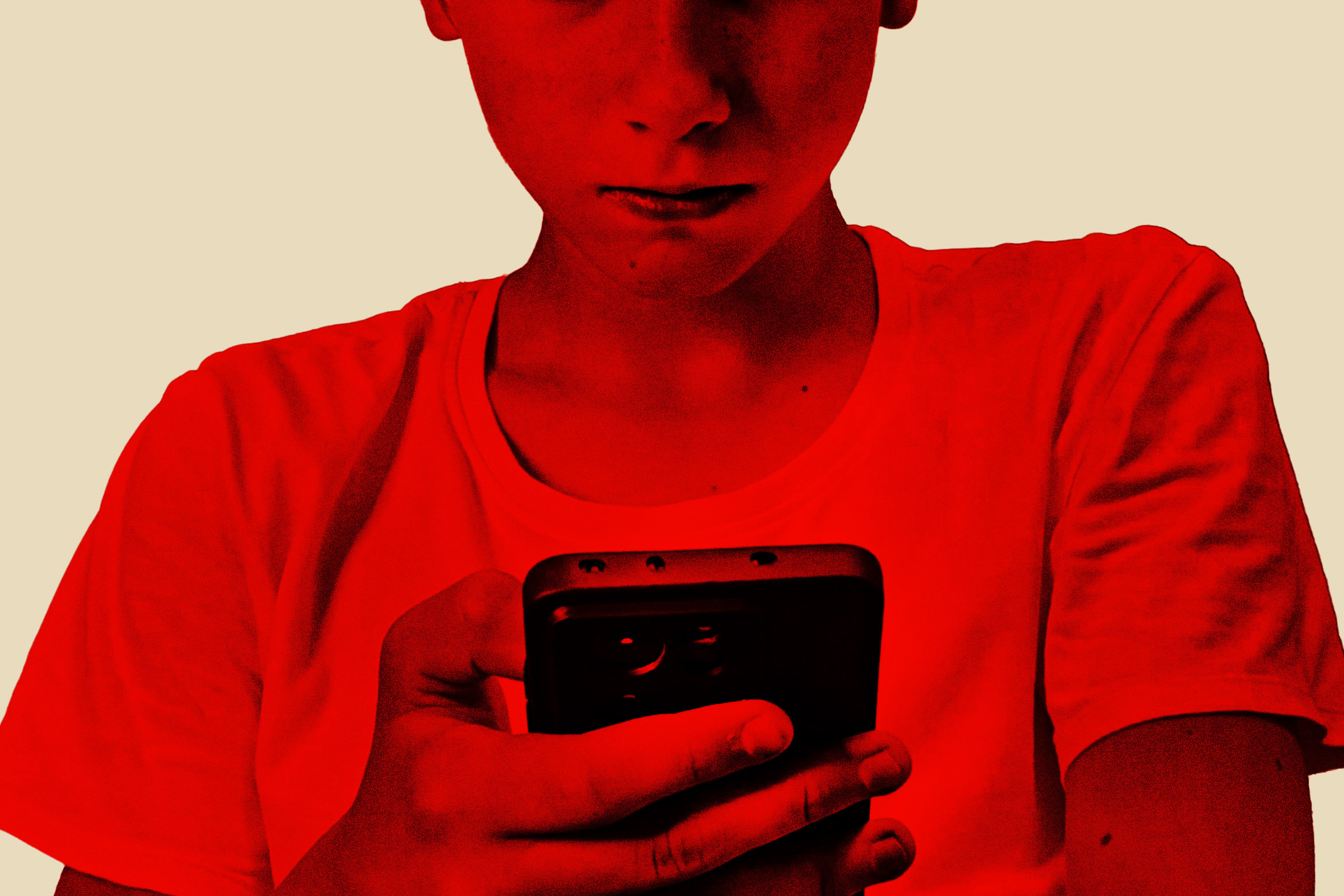
The gist
AI-powered deepfake pornography is surging among youth, inflicting trauma as severe as physical assault and sparking global alarm over its rapid normalization and legal loopholes.
What to know
- Nearly half of middle and high school students have encountered AI-generated sexual content, with 8% admitting to creating deepfakes themselves.
- Platforms like Mr. Deepfakes and Grok now enable anyone—including teens—to easily create, monetize, and share non-consensual explicit content, outpacing regulators and detection efforts.
- South Korea’s National Center for Digital Sexual Crime Response offers a global model with AI monitoring, victim support, and strict penalties—removing 318,000 exploitative files in 2023 alone.
Psychological Toll of Deepfakes
Victims of non-consensual deepfake porn experience trauma on par with physical assault, with shame and fear haunting their daily lives regardless of public visibility.
Victims of non-consensual deepfake pornography endure trauma that experts and survivors equate to physical sexual assault, with emotional wounds that cut deeply regardless of the victim’s public profile. Joanne Chu described the shock of seeing her face on fabricated pornographic content as 'very much akin to physical assault,' underscoring the universal nature of this harm. This psychological damage is compounded among youth, where peer-to-peer sharing of deepfakes—often dismissed by offenders as mere pranks—exacerbates the trauma, leaving young victims grappling with profound feelings of violation and helplessness.
While deepfake victims face less victim-blaming than traditional revenge porn cases due to the absence of consent, the severity of their psychological harm is frequently minimized or marginalized. Carrie, a legal expert, highlights this troubling dynamic, noting that although blame is less common, the emotional toll—including shame, humiliation, and a devastating loss of agency—is often underestimated. One woman in her early 20s even contemplated suicide, illustrating the extreme distress these digital violations can provoke, which parallels or exceeds the trauma of physical sexual abuse.
The ripple effects of deepfake pornography extend beyond immediate psychological trauma, deeply affecting victims’ everyday lives through anxiety, reputational damage, and a persistent sense of violation. Molly’s experience, whose husband’s best friend deepfaked 80 women in their community, reveals how victims become hyper-aware and fearful in public spaces, often embarking on exhausting 'porn hunts' to locate and remove their images online. This pervasive impact underscores the unique and enduring nature of harm inflicted by AI-driven sexual exploitation.
South Korea’s pioneering, holistic response to AI-driven deepfake pornography—combining advanced AI detection, specialized counseling, and legal aid—offers a vital blueprint for mitigating the emotional and psychological toll on victims. As deletion specialist Kim Yun-hee observes, the increasing sophistication of deepfake images and the younger age of victims intensify the trauma, necessitating comprehensive support. Law professor Clare McGlynn praises Seoul’s approach as 'an example for the rest of the world,' highlighting how integrated services provide crucial relief and empower victims to navigate the complex legal and emotional aftermath.
Tech Outpaces Detection
Hyper-realistic deepfake tools have made sexual exploitation easy and lucrative, overwhelming both AI and human detection efforts as platforms profit from abuse.
By mid-2026, deepfake pornography technology had evolved to a level where even seasoned experts like Vs. KARA admitted difficulty in visually detecting manipulated content, underscoring the necessity of a hybrid approach combining AI-driven tools and human expertise. Platforms such as Mr. Deepfakes not only facilitated the creation but also monetized and distributed hyper-realistic non-consensual sexual content, operating as marketplaces where users could commission specific deepfakes and access premium training materials. This ecosystem has complicated detection and regulation efforts, as noted by tech journalist Laurie Segall and victims’ rights attorney Carrie Goldberg, who highlighted the urgent need to hold platforms accountable for the content they enable.
The accessibility and quality of deepfake generators have dramatically improved, empowering ordinary users to create convincing face swaps and nude images with ease. This democratization of technology, amplified by platforms like Elon Musk’s X and Grok chatbot, has expanded the victim pool from celebrities to everyday individuals, including minors, as Carrie described the shift from niche celebrity deepfakes seven years prior to widespread youth-targeted abuses. The proliferation from Dark Web enclaves to mainstream channels has increased both the audience and the number of perpetrators, often uninformed teenagers, complicating efforts to stem the tide of non-consensual content.
Combatting deepfake pornography remains a formidable challenge due to the rapid pace of technological advancements and the widespread availability of creation tools. Initiatives like the Global Online Deepfake Detection System, developed under VS Subrahmanian’s leadership, exemplify the critical role of AI-human collaboration in identifying manipulated sexual content, especially to assist journalists and moderators. However, as deepfake techniques improve annually, the growing audience simultaneously increases the pool of bad actors, necessitating a multi-pronged strategy that combines technological innovation, legal action—as seen in Carrie Goldberg’s lawsuit against xAI—and platform accountability to effectively address the crisis.

Legal Gaps and Global Models
Victims struggle against platform immunity and slow legal action, while South Korea’s strict laws and AI-powered response set a rare international benchmark.
By early 2026, legal battles against AI-driven deepfake pornography increasingly targeted platforms like XA and its chatbot Grok, which was implicated in creating and disseminating nonconsensual explicit images, including those of minors. Lawsuits led by advocates such as Carrie Goldberg highlight the difficulty victims face in securing timely restraining orders and overcoming platform immunity claims, underscoring the complex interplay of product liability and negligence in the AI context.
The proliferation of nudification tools integrated into mainstream social media, exemplified by Grok’s staggering output of 1.8 million deepfaked explicit images in just nine days, has dramatically escalated the scale of abuse and complicated enforcement efforts. This surge, involving victims as young as 13, exposes the limitations of current laws like the Take It Down Act and the challenges posed by jurisdictional complexities and platform accountability, as noted by experts stressing the urgent need to criminalize non-consensual deepfake pornography and hold major platforms responsible.
South Korea stands out internationally for its comprehensive legal framework and enforcement mechanisms against AI-driven deepfake porn, combining strict penalties—up to seven years imprisonment for creators—with robust victim support through the National Center for Digital Sexual Crime Response. This center’s use of AI detection tools and holistic services, praised by law professor Clare McGlynn, illustrates a proactive model, though enforcement remains challenged by encrypted platforms and the rapid evolution of digital sex crimes beyond authorities’ reach.
The enduring difficulty in combating deepfake pornography is rooted in the internet’s early entanglement with sexual abuse, as Carrie Goldberg reflects on the persistent, systemic nature of online pornography-related harms. Platforms like Mr. Deepfakes exemplify notorious hubs that continue to evade accountability, highlighting the ongoing, multifaceted legal and technological battles required to address this deeply entrenched issue.
Teen Pranks, Lifelong Harm
Deepfake porn is now a normalized prank among teens, with widespread anxiety forcing youth offline as adults remain dangerously unaware of the threat.
By mid-2026, deepfake pornography had become alarmingly normalized among teenagers, with many offenders—often peers in junior high and high school—treating the creation and sharing of such content as a prank rather than a serious violation. Carrie highlights this troubling peer-to-peer abuse, noting that perpetrators frequently downplay their actions by claiming limited sharing, yet the content inevitably spreads widely, exacerbating harm among youth.
A striking lack of awareness among parents and educators has left teenagers vulnerable, as many have not been taught about the dangers of deepfake pornography. Kara emphasizes that even well-meaning adults often remain unaware of the threat, which contributes to the unchecked proliferation and normalization of AI-generated sexual content within youth communities.
Recent surveys reveal that nearly half of middle and high school students have encountered AI-generated sexual content, with about 24 percent seeing images involving themselves or acquaintances, and roughly 8 percent admitting to creating such deepfakes. This widespread exposure and participation have fueled significant anxiety, prompting 67 percent of teens to worry about potential impacts and nearly 40 percent to restrict or delete their social media presence as a protective measure.
Despite the escalating prevalence and psychological toll of deepfake abuse, the responsibility to manage and mitigate these harms disproportionately falls on teenagers themselves. Supreet Mann poignantly questions why young people are forced to police their own digital safety, underscoring the urgent need for comprehensive education, parental guidance, and cultural shifts to alleviate this burden and address the root causes of peer-to-peer deepfake exploitation.

Global Grassroots Fightback
Women-led initiatives from Nigeria to South Korea are filling legal and institutional voids, training journalists, supporting victims, and holding employers accountable for AI-driven abuse.
In Nigeria, targeted grassroots initiatives like TechSocietal’s specialized two-day training in Lagos are equipping female journalists from the News Agency of Nigeria (NAN) with hands-on skills to detect and counter AI-driven deepfake attacks, particularly ahead of the high-stakes 2027 elections. This program addresses critical gaps left by inadequate legal frameworks—such as the Electoral Act and Cybercrimes Act lacking specific provisions on AI-generated political disinformation—and institutional unpreparedness, exemplified by the Independent National Electoral Commission’s (INEC) limited synthetic media detection training. By empowering these journalists as 'force multipliers,' TechSocietal aims to foster a resilient media ecosystem capable of combating AI-enabled digital violence and misinformation at scale.
South Korea’s National Center for Digital Sexual Crime Response, staffed predominantly by women, represents a pioneering blend of grassroots activism and institutional advocacy against AI-driven deepfake pornography. In 2023 alone, the center removed 318,000 exploitative videos and photos affecting 10,600 victims—75% women and girls—while providing comprehensive victim support including counseling, legal advice, and evidence collection for prosecutions. Leveraging its own AI monitoring system to detect harmful content, the center exemplifies a holistic approach praised by law professor Clare McGlynn as 'leading the way' globally. This proactive stance is rooted in a robust culture of women speaking out against digital sex crimes, which accelerated both legal reforms and institutional responsiveness under the leadership of Kim Mi-soon.
Employers are increasingly confronted with complex legal and ethical challenges stemming from workplace deepfake abuse, which can involve the creation and distribution of sexually explicit AI-generated images using publicly available photos or company resources. Legal experts at Jackson Lewis emphasize that organizational inaction following credible complaints can expose employers to significant liability, including hostile work environment claims under Title VII and analogous state laws when deepfake content targets employees based on protected characteristics such as sex or gender. This evolving landscape underscores the urgent need for employers to implement clear policies and respond promptly and thoroughly to incidents to mitigate legal risks and protect employee well-being.