Diesel, dollars, and data: AI power surge sparks grid chaos, pollution, and industrial outcry
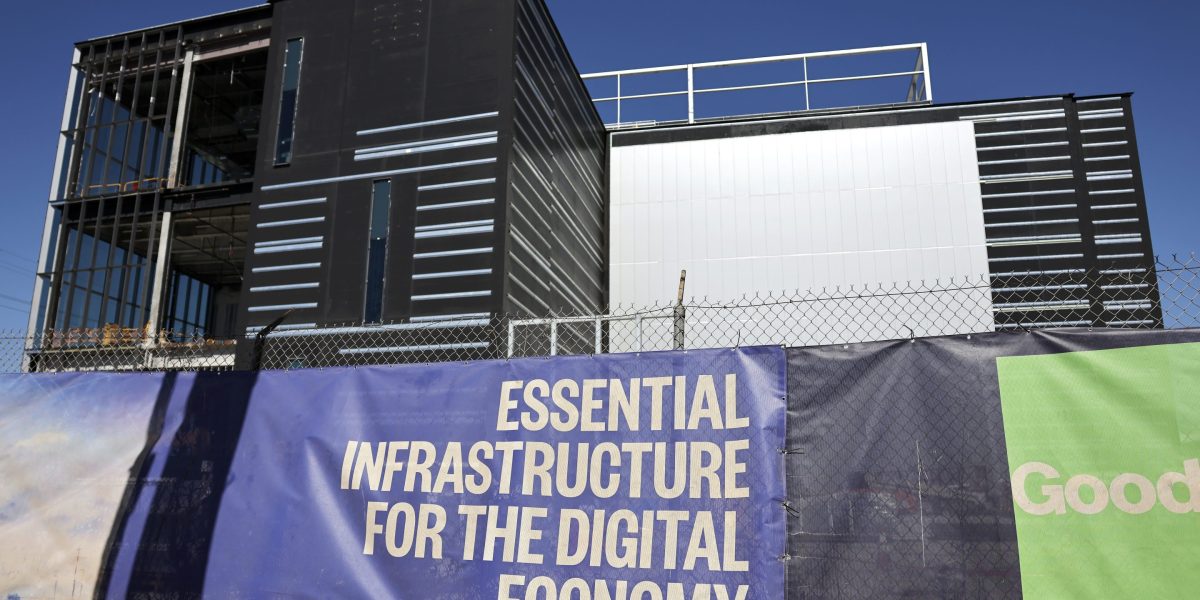
The gist
AI data center demand is shattering the grid and turbocharging pollution, leaving manufacturers and communities gasping for relief as federal officials scramble to keep the lights on with dirty diesel.
What to know
- In the first half of 2026 alone, the Department of Energy ordered AI data centers on the PJM grid to switch to diesel generators three times, exposing severe gaps in grid capacity planning as demand hit 163 GW.
- Diesel backup generator use and loosened pollution rules have triggered air quality crises and public outrage in hotspots like northern Virginia, with '18th-century electricity' fueling modern tech.
- Traditional manufacturers are reeling from electricity capacity charges surging up to 1,000%, with some like Belden Brick seeing monthly bills jump from $1,600 to $12,000—threatening jobs and industry stability.
Emergency Orders Expose Grid Flaws
Repeated federal mandates forcing AI data centers onto diesel generators reveal a chronic failure in grid planning as demand outpaces outdated forecasting and emergency protocols strain to keep the lights on.
By mid-2026, the Department of Energy, led by Secretary Chris Wright, has invoked federal emergency orders under Section 202(c) of the Federal Power Act three times within six months to address unprecedented grid reliability challenges on the PJM Interconnection, which serves 67 million people. These orders compel large electricity consumers, notably AI data centers with peak loads exceeding 50 megawatts, to switch to diesel backup generators within 15 minutes during peak demand events, a measure originally intended for unexpected supply shortages but now repeatedly used to manage predictable, structural load growth. This reliance on emergency authority underscores a systemic failure in capacity planning and prudent utility expansion, as PJM grapples with soaring demand nearing 163 gigawatts and razor-thin operating reserves.
The emergency orders not only mandate the rapid deployment of diesel backup generators but also temporarily relax environmental permit restrictions, allowing power plants to exceed normal pollution limits for sulfur dioxide, nitrogen oxide, and carbon monoxide to maintain grid stability during crises. However, this approach has sparked community concern, with activists like Elena Schlossberg decrying the normalization of '18th-century electricity' reliance amid modern energy demands. Compounding operational challenges, the lack of comprehensive federal guidance and integration of backup generators into grid management leads to confusion among operators and inconsistent communication, especially during heat waves when demand spikes sharply and coordination historically lags compared to cold or hurricane events.
PJM's forecasting inaccuracies further exacerbate grid stress, with actual peak demand exceeding projections by approximately 10 gigawatts, complicating emergency response and resource dispatch during critical periods. The grid operator's reactive measures during the 2026 heat wave—including recalling generation from maintenance, issuing Low Voltage and Maximum Generation alerts, and activating emergency demand response programs—highlight the operational strain caused by the rapid surge in AI data center electricity consumption. Despite data centers representing only a small fraction of demand-response participants, their outsized impact on peak load growth, projected to reach roughly 30 gigawatts by 2030, forces PJM to lean heavily on federal emergency interventions to avoid rolling blackouts.

Diesel Generators Fuel Local Outrage
Communities near AI hubs face worsening air quality, noise, and declining property values as federal pollution limits are repeatedly lifted, intensifying health risks and sparking fierce public backlash.
The forced activation of Tier 2 diesel backup generators near AI data centers, such as those in northern Virginia, is significantly worsening air quality and health risks in communities already burdened by proximity to these facilities. These generators, among the most polluting allowed under EPA standards, have been repeatedly tapped during federal grid emergencies, revealing a structural flaw in grid management that relies heavily on outdated, polluting technology rather than sustainable solutions.
Federal emergency orders have temporarily lifted environmental permit restrictions, allowing power plants to exceed limits on sulfur dioxide, nitrogen oxide, and carbon monoxide emissions to meet soaring demand from AI data centers. This regulatory leniency, while aimed at preserving grid stability, has intensified environmental degradation and raised alarms among activists and residents alike, who witness dark smoke plumes—like those captured near Virginia’s ACC9 data center during a recent heat wave—directly impacting local air quality.
Community backlash is mounting as residents near data centers report declining quality of life and property values due to persistent noise and emissions from diesel generators. Descriptions of Ashburn as 'kinda industrial, kinda run-down' reflect growing frustration, while environmental advocates like Elena Schlossberg condemn the reliance on diesel as '18th-century electricity,' underscoring the tension between maintaining grid reliability and protecting public health and the environment.
Manufacturers Crushed by Capacity Costs
AI-driven electricity demand has sent grid capacity charges soaring by over 1,000%, forcing traditional manufacturers into desperate cost-cutting measures and threatening the region’s industrial backbone.
AI data centers have triggered a dramatic surge in electricity capacity charges within the PJM region, profoundly impacting traditional manufacturers who operate on thin margins. For instance, Belden Brick Company experienced a staggering increase in monthly capacity charges from $1,600 to $12,000, contributing to a 90% rise in their annual electricity costs. This spike has forced companies like Belden Brick to raise prices by 4%, yet profits continue to shrink, with company president Brad Belden warning that many manufacturers are 'on the razor's edge' as soaring power bills threaten their viability.
The root of these escalating costs lies in the PJM grid’s capacity market, where charges compensate generators for maintaining peak supply readiness. Capacity prices have skyrocketed—PJM’s capacity price surged over 1,000% from $28.92 to $329.17 per megawatt-day between 2024 and 2026—largely driven by the insatiable demand from AI data centers. This disproportionate rise means manufacturers face capacity charges up to three times higher than residential rates, with companies like Plaskolite reporting annual capacity fees jumping from $200,000 to $1.2 million, intensifying economic pressures across the industrial sector.
In response to these financial strains, manufacturers are adopting diverse strategies to mitigate soaring electricity costs, including on-site generation, shifting production to off-peak hours, and securing direct natural gas supplies to reduce grid dependence. Belden Brick is exploring on-site power generation, Plaskolite is considering direct natural gas procurement, and Tosoh SMD has shifted operations to overnight hours when electricity prices dip. However, tensions persist as manufacturers seek exemptions from demand management policies aimed at data centers, underscoring the complex balancing act between accommodating rapid AI growth and preserving traditional industrial viability.
The broader economic implications are compounded by the slow pace of new power plant development amid surging demand, which constrains supply and drives prices higher. Developers face prolonged permitting, environmental reviews, and rising construction costs, resulting in minimal new generation capacity additions—only about 525 megawatts in the latest auction—while PJM’s capacity auctions have fallen short of reliability targets despite record-high prices. This infrastructure bottleneck, combined with the fact that many grid upgrade costs are shared among all customers, means that traditional manufacturers and residents alike bear the brunt of a $23 billion electricity price increase driven by data center demand, a trend expected to persist through at least 2028.