Europe doubles down on defense: spending soars, startups surge, but fiscal fears loom
The gist
Europe is betting big on military muscle, ramping up defense spending and fueling a defense tech boom—even as budget headaches and political backlash threaten the momentum.
What to know
- Europe’s defense budgets are set to grow 6.8% annually, with the European Commission mobilizing €800 billion and NATO eyeing 5% of GDP, but the continent still trails the U.S. in military firepower.
- Defense tech startups are surging, with investment jumping from $100 million in 2019 to $1.5 billion in 2025, and Ukrainian startups raising €105 million as they shift from aid recipients to suppliers.
- Fiscal and political friction looms large, as public support crashes when higher taxes or welfare cuts are mentioned, and Germany’s €100 billion special fund buys time but not long-term certainty.
Europe’s Defense Spending Revolution
A historic surge in budgets is forcing Europe to overhaul procurement laws and localize supply chains, but capability gaps with the U.S. persist despite headline investment.
Europe is embarking on a historic ramp-up of defense spending, with budgets set to grow by 6.8% annually over the next decade, reflecting a strategic pivot toward greater military autonomy amid doubts about the reliability of U.S. security guarantees. This surge is embodied by initiatives like the European Commission’s mobilization of up to 800 billion euros for defense and NATO’s 5% GDP spending targets, while countries such as Germany and Sweden dramatically expand their defense outlays and capabilities, signaling a profound reassessment of Europe’s security posture.
Despite the ambitious spending increases, Europe still lags significantly behind the U.S. in critical military assets—possessing only a fraction of U.S. military satellites, strategic bombers, and tanker aircraft—highlighting the necessity for sustained, long-term investment to close capability gaps. Germany’s €100 billion special fund and new procurement acceleration law exemplify efforts to compress acquisition timelines and localize supply chains, as seen in the awarding of €536 million in strike drone contracts that not only procure hardware but also catalyze industrial and talent concentration.
Political debates cloud the sustainability of this defense spending surge, as voter support wanes sharply when higher budgets imply increased taxes or welfare cuts, posing a significant challenge for policymakers. Moreover, budget commitments often have delayed implementation—as with the UK’s defense spending increases kicking in only from 2027—leaving room for economic pressures or shifting geopolitical dynamics to derail or postpone planned investments.
The evolving transatlantic relationship further fuels Europe’s strategic recalibration; U.S. officials at the Munich Security Conference have signaled a clear expectation that Europe must shoulder more of its own defense burden, moving away from the era of unconditional American security guarantees. This shift, coupled with strains from prior U.S. administrations’ unpredictable policies, has intensified European political will to invest in indigenous defense capabilities, with even traditionally neutral countries like Ireland reconsidering defense priorities to protect critical infrastructure such as undersea cables.



Defense Startups Redefine Security
A flood of capital and Ukraine’s rise as a tech supplier are fueling a fiercely competitive defense startup ecosystem, even as fragmented politics and cultural taboos challenge sustained growth.
By early 2026, European defense technology startups have entered a phase of rapid growth and maturation, fueled by a dramatic increase in defense spending and a shifting geopolitical landscape. Investment in European defense tech skyrocketed from $100 million annually in 2019 to $1.5 billion in 2025, with companies like Frankenberg and Titan raising €30 million each, supported by the NATO innovation fund. This surge is underpinned by a broader secular shift in European defense budgets, expected to double to around €600 billion over the next five to seven years, with 5-10% earmarked for R&D and technology, signaling a robust pipeline for innovation and startup scaling.
The Ukraine war has been a pivotal catalyst, not only accelerating investment but also transforming Ukraine from a recipient of aid into a strategic supplier of defense capabilities, with Ukrainian startups raising €105 million in 2025—about a third of all early-stage European defense tech capital. This dynamic has spurred European procurement reforms, exemplified by the European Commission's mobilization of approximately €800 billion in additional defense funding and the creation of a €150 billion Security and Defence Fund (SDAF) that mandates collaborative procurement by at least two nations, fostering a more integrated and autonomous European defense industrial base.
Despite the enthusiasm and influx of capital, the European defense tech ecosystem faces unique challenges compared to its U.S. counterparts, including a shorter industry maturation period, complex multi-national political environments, and stringent labor market regulations. Startups navigate a fragmented buyer landscape with shifting coalitions, making long-term planning and talent mobility difficult, while cultural shifts are underway as defense entrepreneurship sheds its former taboo status. The ecosystem's growing pains were visible at the 2026 Munich Security Conference, where increased competition led to public disagreements among startups, signaling a maturing market with emerging winners and losers.
Countries like Germany and Sweden exemplify the broader remilitarization and industrial maturation sweeping Europe, with Germany becoming the continent’s largest defense spender after enabling new debt for defense and Sweden rapidly ramping up military capabilities following its NATO accession. However, sustained growth depends on persistent political will and economic stability, as defense funding increases are scheduled to fully kick in only from 2027, leaving room for potential delays if geopolitical tensions ease or economic pressures mount. This delicate balance underscores the importance of long-term commitment to close significant capability gaps with the U.S., particularly in strategic airlift, surveillance, and reconnaissance.


Transatlantic Alliances Get Strategic
Canada, the UK, and Europe are forging closer industrial and innovation ties to hedge against global power shifts, with new partnerships and joint projects transforming defense supply chains.
By early 2026, European nations, Canada, and the UK have been recalibrating their defense and economic relationships in response to a tripolar global order dominated by the U.S., China, and Russia. This recalibration reflects a growing European drive for defense autonomy amid eroding trust in traditional U.S. security guarantees, highlighted by incidents such as former President Trump's verbal attacks on Greenland and ambiguous stances on Ukraine. While middle powers like Britain and Canada engage China strategically to leverage their position, they stop short of abandoning established alliances, underscoring a nuanced balancing act between economic interests and security commitments.
Concrete steps toward deepening transatlantic defense cooperation are evident in strengthened industrial and labor partnerships, particularly between Nordic countries and Canada. Finland’s Minister of Employment Matias Marttinen’s visit to Canada to bolster marine industry collaboration—including Finnish company ALMACO Group’s work with Davie Shipbuilding and the Canadian Coast Guard’s Polar Max icebreaker—exemplifies this trend. Concurrently, Canada’s investment of over $900 million in defense innovation through the National Research Council, supporting dual-use technologies and quantum advancements, signals its rising role as a key defense partner aligned with European strategic interests.
European defense industrial integration is advancing through initiatives like the European Defence Fund (EDF), which, although primarily reserved for EU entities, opens pathways for Canadian companies to join European supply chains via partnerships with EU primes. This industrial synergy is further illustrated by Portugal’s pioneering development of Europe’s first dedicated drone carrier, marking a significant leap in collaborative defense innovation. Such efforts are complemented by Canada’s formal entry into the EU’s loans-for-weapons program, reinforcing a coordinated transatlantic approach to military modernization and strategic autonomy.
A profound strategic dialogue is emerging among European and middle powers, including Canada and Nordic countries, about cultivating independent nuclear deterrence capabilities—a conversation not seen since the Cold War. This shift is emblematic of Europe’s broader move to decouple from U.S. security dependencies, as illustrated by Dutch Defence Secretary Tuinman’s declaration to independently update F-35 software if blocked by the U.S. Such discourse signals a willingness among allies to explore sovereign defense postures, reflecting the urgency of adapting to an increasingly uncertain global security environment.



Tripolar World Spurs Autonomy
Europe’s drive for strategic independence is accelerating as U.S. political unpredictability and the rise of China and Russia force a fundamental rethink of defense priorities and investments.
By early 2026, Europe’s quest for defense autonomy has been galvanized by a tripolar global order dominated by the United States, China, and Russia, which complicates traditional alliances and strategic calculations. Middle powers such as Britain and Canada are navigating this landscape by seeking leverage between these giants without fully severing ties to the U.S.-led security framework, reflecting a nuanced repositioning rather than outright realignment. As one analyst put it, “They’re seeking leverage, and that’s what middle powers do,” underscoring Europe’s cautious yet determined push for greater strategic independence amid shifting power dynamics.
The war in Ukraine has acted as a catalyst for a profound transformation in European defense priorities, accelerating a secular increase in defense budgets and technological investment. European and UK defense spending is projected to double from approximately €300 billion to €600 billion over the next five to seven years, with defense tech investment skyrocketing from $100 million in 2019 to $1.5 billion in 2025. Notably, Ukrainian defense tech startups have emerged as key players, raising €105 million in 2023 alone—about one-third of all early-stage European defense tech capital—signaling a shift from Ukraine as a mere aid recipient to a strategic supplier of cutting-edge capabilities.
U.S. political uncertainties, particularly under the Trump administration, have profoundly influenced Europe’s defense calculus by challenging the reliability of American security guarantees. Trump’s explicit refusal to underwrite European defense spending—citing Europe’s historical underspending of 1-1.5% of GDP—and his contentious positions on issues like Greenland and Ukraine have pressured Europe to elevate its defense ambitions toward a 5% GDP target by 2035. This recalibration is compounded by technological imperatives, as emerging domains like AI and autonomous systems necessitate replacing outdated military assets, prompting Europe to increase its R&D share beyond the traditional 5-10% of defense budgets to maintain strategic relevance.
Europe’s evolving security posture is also shaped by a growing ambivalence toward U.S. commitments, which is subtly shifting the economic and strategic balance toward China despite ambiguous benefits. As one analyst observed, “the security side is no longer guaranteed by the U.S.,” prompting Europe to rethink its defense autonomy in tandem with economic ties to China. This dual recalibration reflects a complex geopolitical dance where Europe seeks to hedge its bets amid uncertain American reliability and China’s rising influence, underscoring the intricate interplay between security and economic considerations in Europe’s strategic evolution.
Fiscal Friction Threatens Momentum
Public backlash against funding tradeoffs and Germany’s short-term fixes highlight the risk that episodic procurement and political resistance could undermine Europe’s defense renaissance.
By early 2026, Europe’s defense renaissance is grappling with a complex political and fiscal landscape where public support for increased defense spending wanes sharply when tied to higher taxes or welfare cuts—dropping from 40% to 28% in France and 37% to 24% in Germany. Germany’s creation of a €100 billion special fund and enhanced borrowing flexibility offers vital near-term fiscal breathing room for rearmament, yet experts warn this is a finite solution; embedding sustained elevated defense budgets into the core fiscal framework remains essential to avoid future funding cliffs.
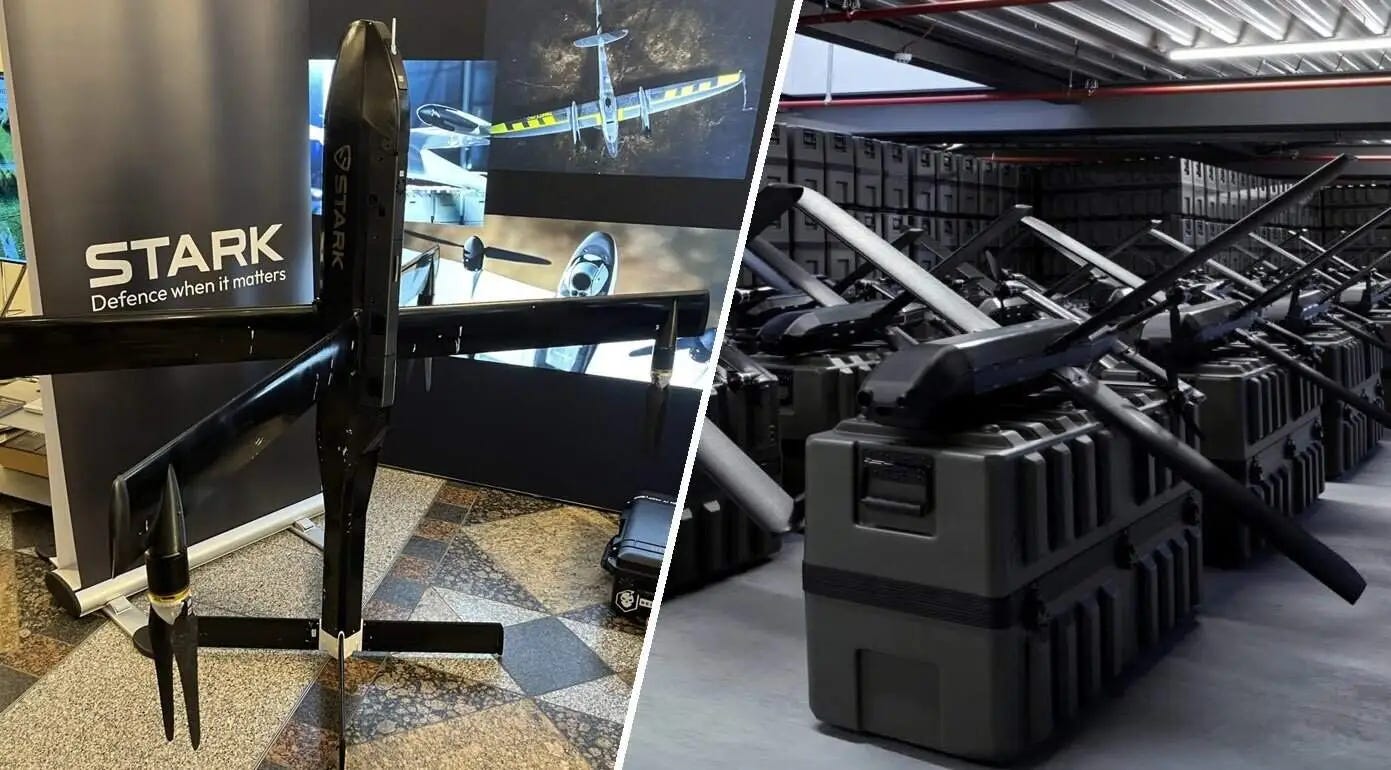
Germany’s aggressive push to accelerate defense procurement through the Bundeswehrbeschaffungsbeschleunigungsgesetz and landmark €536 million strike drone contracts awarded to Helsing and Stark exemplify a strategic effort to cultivate domestic industrial capacity and attract private investment. However, this rapid industrial expansion risks creating a gravitational pull that concentrates defense production around Germany, potentially undermining broader European defense industrial autonomy and echoing patterns seen in the U.S. AI sector’s buildout.
Europe’s defense procurement remains largely episodic and crisis-driven, which discourages defense companies from investing in new production lines due to uncertainty about sustained demand. This stop-start approach threatens to stall production and undercut the surge capacity necessary for prolonged conflict, underscoring the urgent need for procurement reforms that enable continuous industrial output and resilience.
In response to these challenges, the Nordic countries and Canada have committed to bolstering joint defense production, resilience, and technological innovation, with a particular emphasis on securing critical supply chains in clean energy and high-tech sectors. This collaborative approach aims to diversify and strengthen Europe’s defense industrial base, ensuring it can support the continent’s evolving military posture amid shifting global power dynamics.