Fed hawkish pivot and Iran tensions rattle global markets
The gist
Fed Chair Kevin Warsh’s hawkish pivot in response to surging oil prices and US-Iran tensions has sent shockwaves through global markets, spiking volatility and upending investor expectations.
What to know
- The abrupt end of the U.S.-Iran ceasefire triggered a 4% jump in oil prices, pushing crude above $74 per barrel and intensifying inflation fears.
- Market-implied odds of a September Fed rate hike soared from 25% to over 70% as Warsh signaled unwavering commitment to the 2.0% inflation target in his July 14 Senate testimony.
- Tech stocks tumbled, Bitcoin’s open interest slid, and the Indian rupee neared a record low as global investors flocked to safe-haven assets like the US dollar and Treasurys.
Geopolitics Upend Energy Markets
The collapse of the U.S.-Iran ceasefire and ensuing oil shock have exposed how fragile global supply chains and investor confidence are to geopolitical flashpoints, forcing central banks worldwide into a high-stakes inflation fight.
The abrupt end of the U.S.-Iran ceasefire under the Trump administration triggered an immediate 4% surge in oil prices, pushing crude above $74 per barrel by mid-July 2026 amid escalating tensions near the Strait of Hormuz. This spike has not only rattled tech stocks and fueled fears of prolonged Federal Reserve rate hikes but also intensified inflationary pressures globally, complicating monetary policy decisions under Fed Chair Kevin Warsh. The geopolitical instability has sent shockwaves through energy markets, threatening global supply chains and shaking investor confidence as markets brace for an uncertain earnings season.
Rising oil prices amid the US-Iran conflict have catalyzed a hawkish pivot within the Federal Reserve, with rate hike probabilities surging to 70% ahead of Chair Warsh’s critical July 14 Senate testimony. This shift reflects growing consensus among Fed officials that combating inflation fueled by energy shocks requires tighter monetary policy, despite internal divisions exemplified by the Warsh-Powell divide. The resulting market volatility spans equities, bonds, and cryptocurrencies, with 10-year Treasury yields climbing to 4.56% and safe-haven dollars strengthening as investors grapple with heightened economic uncertainty.
The intersection of escalating US-Iran tensions and Fed hawkishness has fractured investor confidence, fueling fuel price shocks that ripple through global markets and complicate central bank strategies worldwide. As inflation and labor data keep traders guessing, the surge in oil prices has intensified inflationary pressures, rattling markets and amplifying economic uncertainty. This volatile environment is further exacerbated by geopolitical risks near critical chokepoints like the Strait of Hormuz, underscoring how intertwined energy security and monetary policy have become in shaping the global economic outlook.

Warsh’s Fed Faces the Fire
Chair Kevin Warsh’s aggressive inflation stance and public showdown with Congress are redefining Fed independence as political and geopolitical pressures mount, with internal rifts and market volatility challenging the central bank’s credibility.
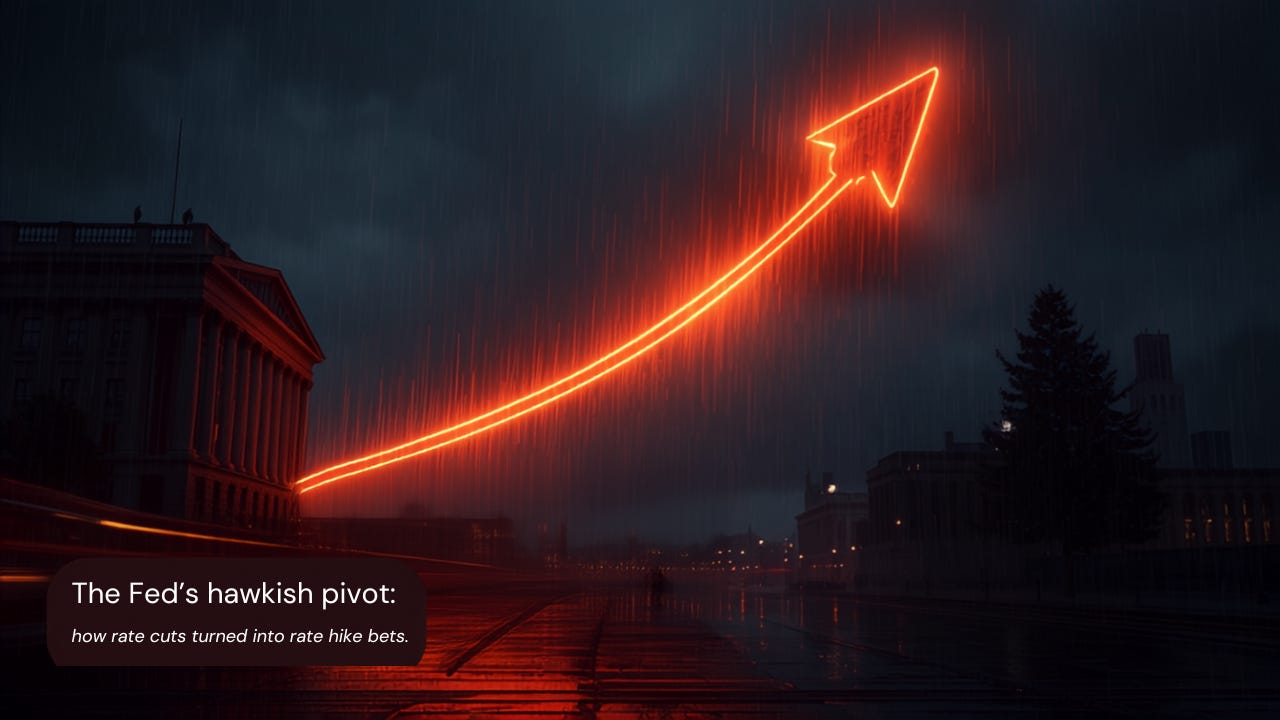
Under Chair Kevin Warsh, the Federal Reserve has executed a marked hawkish pivot in monetary policy, driven by persistent inflation concerns exacerbated by escalating US-Iran geopolitical tensions and resultant oil price shocks. This shift is underscored by a communication overhaul aimed at managing heightened market volatility and Congressional scrutiny, as Warsh emphasizes the Fed's independence in navigating inflation pressures despite political turbulence. Notably, Warsh's July 14 Senate testimony reinforced this stance, signaling a commitment to bringing inflation back to the precise 2.0% target amid a complex interplay of geopolitical risks and economic uncertainties.
The hawkish pivot under Warsh has significantly rattled markets, fueling volatility across equities, bonds, and cryptocurrencies, as investors grapple with rapidly shifting Fed rate hike expectations. Market-implied odds for a September rate hike swung dramatically from 25% to over 70% within weeks, reflecting uncertainty amplified by the US-Iran conflict's impact on oil prices and inflation. This turbulence is further complicated by internal Fed dynamics, including tensions between Warsh and former Chair Powell, and the alignment of other hawkish officials like Governor Christopher Waller, who signaled potential rate hikes as soon as July if core inflation worsens.
Warsh's leadership faces intensified Congressional scrutiny amid this hawkish turn, with his Senate testimony and public communications reflecting a strategic effort to assert Fed independence while addressing lawmakers' concerns over inflation and geopolitical risks. The Fed's policy outlook has become highly sensitive to developments in the Middle East, with rapid shifts in inflation data and market expectations underscoring the delicate balancing act policymakers confront. As former New York Fed President Bill Dudley and other analysts note, Warsh must navigate a high-wire act—tightening monetary policy to combat sticky core inflation and an AI-driven economic boom without triggering a recession amid soaring oil prices and geopolitical uncertainty.




Asset Turbulence Hits New Highs
Surging oil and rate hike fears are driving dramatic sector swings, crushing tech and emerging market currencies while triggering a global flight to the dollar and safe-haven bonds.
The escalating US-Iran conflict, coupled with Federal Reserve Chair Kevin Warsh's hawkish pivot, has unleashed pronounced volatility across multiple asset classes, including equities, cryptocurrencies, bonds, and commodities. Surging oil prices driven by geopolitical tensions have rattled tech stocks and stoked fears of prolonged rate hikes, while Bitcoin teeters on a knife-edge amid declining open interest, reflecting broader investor anxiety. This turbulence is further amplified by internal Fed disagreements and shifting market expectations, with the probability of a September rate hike swinging dramatically from 25% to over 70% within weeks, underscoring the fragile market sentiment.
Investor uncertainty has manifested in sharp sector rotations and risk-off behavior, as rising oil prices linked to the US-Iran tensions bolster energy stocks while technology shares face downward pressure. Concurrently, safe-haven assets like the US dollar have strengthened, defying earlier de-dollarization narratives, and bond yields have spiked amid fears of imminent Fed tightening. Emerging market currencies, such as the Indian rupee, have also suffered, hovering near record lows around 96 USD/INR, illustrating the global ripple effects of the intertwined geopolitical and monetary policy shocks.