Fertilizer crisis deepens: farmers shift crops, India innovates
The gist
A global fertilizer shock—sparked by the 2026 US-Israeli war with Iran and a blockade of the Strait of Hormuz—has sent prices soaring, forced farmers to pivot crops, and left food security on a knife edge.
What to know
- Urea prices jumped 25–30% and oil surged above $110/barrel after Iran's blockade halted one-third of global fertilizer shipments at the height of spring planting.
- US Corn Belt farmers are shifting millions of acres from corn to soybeans to dodge sky-high fertilizer costs, while poorer nations face looming food shortages and rationing.
- India is scrambling to diversify supplies and deploy high-tech solutions—like green nutrient tech and nano urea—to blunt import risks and keep fertilizer flowing.
Blockade Paralyzes Global Trade
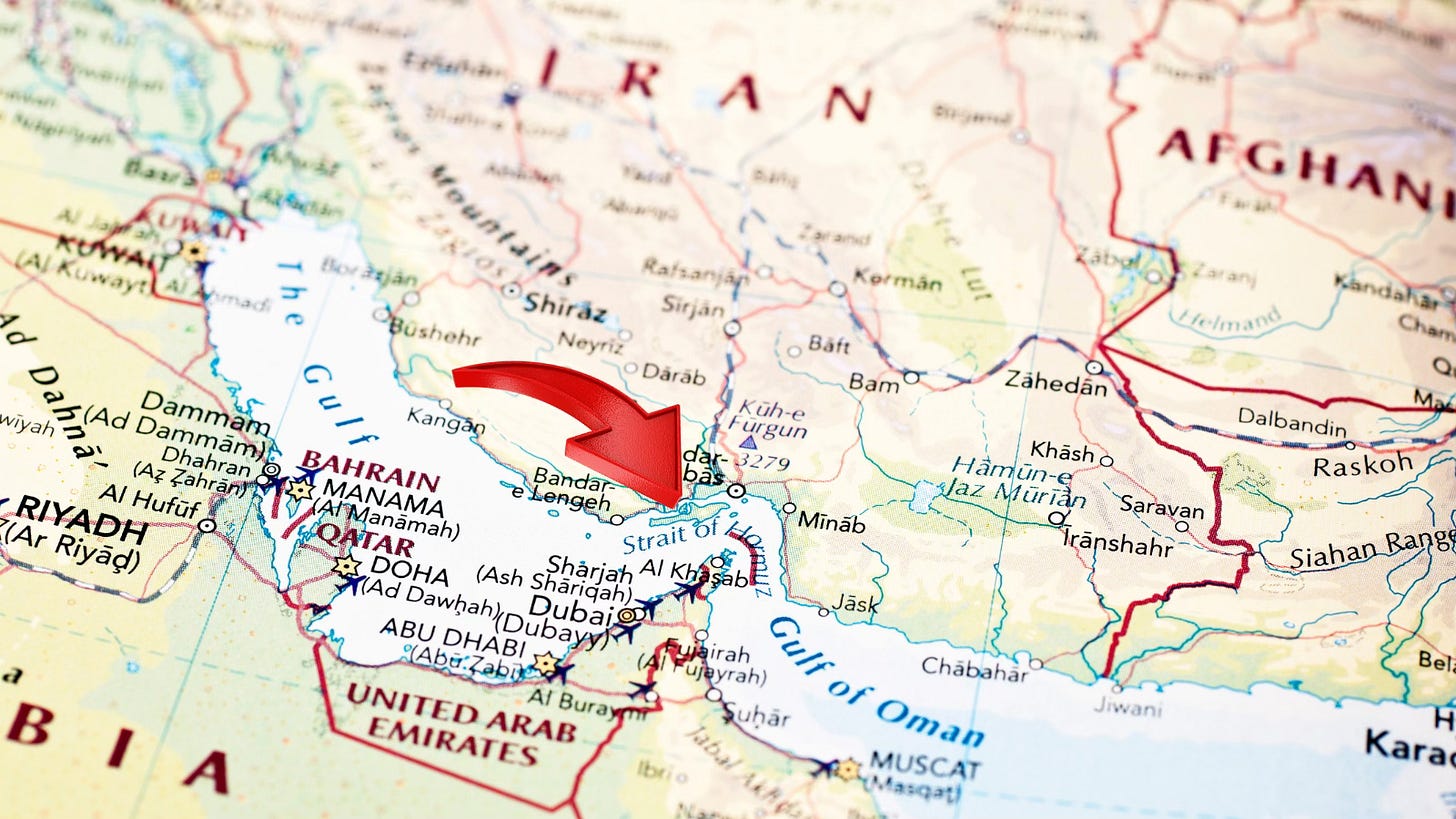
Iran’s naval blockade of the Strait of Hormuz stranded over 150 vessels, triggered a 25% fertilizer price spike, and exposed the fragility of global supply chains, raising the specter of food rationing and famine in vulnerable regions.
The outbreak of the US-Israeli war against Iran in early 2026, coinciding with the critical spring planting season, triggered an immediate and severe disruption of global fertilizer and energy supply chains. The Strait of Hormuz, a vital 21-mile chokepoint through which about one-fifth of the world’s oil and roughly a third of global urea fertilizer shipments pass, was effectively blockaded by Iran’s deployment of naval mines and attacks on commercial vessels. This blockade caused a near-complete halt of tanker traffic, with over 150 vessels stranded and insurers withdrawing coverage, paralyzing a critical artery of global trade and sending shockwaves through agriculture and energy markets.
The immediate economic fallout was stark: urea fertilizer prices surged by 25% within a week, and oil prices spiked above $110 per barrel, pushing U.S. gasoline prices to around $3.58 per gallon. These price shocks came at the worst possible time for farmers, who were entering the seeding season and facing fertilizer costs that typically account for about a quarter of their expenses. The blockade’s ripple effects compounded existing strains from trade wars, the COVID-19 pandemic, and the Ukraine conflict, intensifying financial pressures on global agriculture and threatening food security in import-dependent regions.
Beyond the immediate crisis, damage inflicted by Iran on critical energy infrastructure, such as Qatar’s natural gas facilities, promises prolonged shortages and permanently elevated prices that will reverberate through global agricultural systems for years. While the U.S. permitted fertilizer imports from Russia to mitigate shortages, logistical bottlenecks caused by the Persian Gulf blockade underscored the fragility of supply chains, as Tom Halverson highlighted the challenges of cost-effective large-scale fertilizer transport. This sustained disruption threatens to price out poorer countries from fertilizer markets, raising alarms about potential food rationing in Europe and famine risks across Africa.





Yield Losses Hit Corn Belt
Soaring fertilizer costs and shipment delays forced U.S. farmers to abandon millions of corn acres for soybeans, with reduced nitrogen use causing sharp, nonlinear yield declines and escalating food inflation risks worldwide.
By early 2026, the fertilizer crisis has critically disrupted the timing and economics of spring planting in the Northern Hemisphere, where missing the narrow biological window for nitrogen application irreversibly reduces crop yields. This shock has driven a notable acreage shift in the American Corn Belt, with 1 to 2 million acres moving from nitrogen-intensive corn to nitrogen-fixing soybeans, as soaring urea prices—spiking roughly 30% to $600-$620 per short ton—and anhydrous ammonia nearing $900 per ton have made traditional nitrogen application economically unviable for many farmers. Compounding this, farmers are forced to reduce nitrogen application rates below agronomic optimums, exacerbating yield losses that accelerate disproportionately due to the quadratic nature of crop response to fertilizer inputs, rather than a simple linear decline.
The 2026 fertilizer crisis, unlike the 2022 Russia-Ukraine disruption, is characterized by a physically trapped supply behind a mined and uninsured chokepoint at the Strait of Hormuz, with no compensatory grain price rally to offset costs for farmers. This blockade, coinciding with the critical planting season, has halted about a third of global fertilizer shipments for over a month, leading to delayed deliveries that push fertilizer availability beyond optimal planting windows, especially in the U.S. and vulnerable import-dependent countries such as Bangladesh, India, and East African nations. The prolonged nature of these disruptions, compounded by damaged energy infrastructure expected to take years to repair, is fueling fears of widespread crop failures, famine risks in poorer countries, and sustained inflationary pressures on food prices worldwide.
The Iran war's severe impact on global energy supplies—marked by a 70% drop in Iraqi oil production and paralysis of tanker traffic through the Strait of Hormuz—has sharply increased fuel prices, with diesel and jet fuel soaring above $200 per barrel, directly inflating fertilizer production costs. This energy-fertilizer nexus is triggering a cascading effect on global agriculture, threatening yield contractions within 60 to 360 days and elevating food inflation risks, as underscored by Qatar’s energy minister Saad al-Kaabi and European Central Bank head Christine Lagarde, who warned of possible food rationing in Europe. The crisis has also induced unusual financial market instability, with traditional safe havens like gold and government bonds falling alongside stocks, signaling heightened systemic risks and limited investor refuge amid stagflation concerns.
Geopolitical conflicts extending into the Black Sea region have compounded the fertilizer and food crisis by blocking tens of millions of metric tons of grain exports from Russia and Ukraine, causing month-over-month global food price surges of 12 to 16% for soy, corn, and wheat. While alternative export routes through Europe exist, they are costly and limited in volume, insufficient to offset the blockade’s impact on vulnerable African and Asian countries reliant on these supplies. Concurrently, natural gas shortages—critical for fertilizer production—are intensifying due to disruptions in both Russia and the Middle East, further driving up fertilizer prices and agricultural commodity costs, thereby amplifying global inflationary pressures and economic uncertainty.




Regional Responses to Shortages
While U.S. and Brazilian farmers scramble for alternative imports and face financial strain, India’s acute import dependence has sparked a race for new supply deals and investments in green nutrient tech to stabilize its food system.
The United States agricultural sector is grappling with a severe fertilizer shortage triggered by the 2026 blockade of the Strait of Hormuz, a critical chokepoint through which about a third of the world's urea and significant phosphate exports pass. This disruption has caused nitrogen-based fertilizer prices to skyrocket, exacerbating the financial strain on farmers who already allocate roughly 25% of their crop production costs to fertilizers. Despite ongoing geopolitical tensions, U.S. farmers continue to import fertilizer from Russia, the world's largest nitrogen fertilizer exporter, underscoring the urgent need for cost-effective, scalable supply chain solutions to mitigate vulnerability to distant conflicts.
India's fertilizer crisis is marked by acute import dependence, with the country sourcing nearly all its potash and over two-thirds of its urea and diammonium phosphate (DAP) from abroad, making it highly susceptible to geopolitical disruptions, especially those affecting the Strait of Hormuz. The 2026 conflicts in the Middle East have led to immediate price spikes and threatened fertilizer availability during critical sowing seasons, compelling India to aggressively diversify supply chains through long-term bilateral agreements, overseas joint ventures, and collective procurement strategies. Concurrently, India is investing in green nutrient technologies under programs like SIGHT and implementing demand management practices such as precision agriculture to enhance nutrient use efficiency and reduce subsidy burdens.
Brazil's agricultural sector faces a unique confluence of challenges as the 2026 Iran conflict drives fertilizer spot prices to surge precisely when Brazilian farmers must purchase inputs for their planting cycle in September. This timing, combined with high domestic interest rates and an appreciating Brazilian real, tightens financial constraints and diminishes export competitiveness, leading to a 15% downward revision in South America's agricultural outlook. These factors highlight the region's vulnerability to global geopolitical shocks and underscore the need for tailored policy responses to buffer farmers from volatile input costs.
In response to global fertilizer supply disruptions, the U.S. state of Pennsylvania is advancing the KeyState to Zero nitrogen fertilizer facility, a strategic initiative aiming to reduce import reliance by producing fertilizer domestically using local natural gas and integrating carbon capture technology. This project, which could generate $1.3 billion for the state economy and thousands of jobs, exemplifies regional policy adaptations that align with broader sustainability goals by leveraging federal funding for hydrogen hubs. However, environmental concerns from local groups about air quality and ecosystem impacts emphasize the importance of balancing economic benefits with ecological and social considerations in such infrastructure developments.
India is simultaneously prioritizing energy security alongside its energy transition goals amid ongoing LNG supply chain disruptions linked to geopolitical tensions around the Strait of Hormuz. State-owned GAIL is expanding its LNG sourcing portfolio, shipping capacity, and pipeline infrastructure to enhance supply resilience and affordability, while also investing in renewables, petrochemicals, fertilizers, and critical minerals. This multi-pronged strategy reflects a comprehensive approach to securing fertilizer inputs and energy resources critical for agricultural stability and national food security.
To improve fertilizer subsidy efficiency and curb leakages, India launched a real-time integrated Fertilizer Management System (iFMS) in August 2026, linking nearly ₹2 lakh crore in subsidies to the AgriStack platform and state agricultural databases. This digital framework requires farmers to book fertilizer through AgriStack-linked IDs verified against land ownership, while the Vehicle Location Tracking System (VLTS) monitors consignment movements, enhancing transparency and auditability. These technological reforms represent a significant policy adaptation aimed at ensuring timely fertilizer availability and better targeting of subsidies amid ongoing supply challenges.

Innovation Eases Fertilizer Pain
Cutting-edge solutions—from on-farm nitrogen production and precision RNA diagnostics to biostimulants—are slashing fertilizer demand and boosting yields, offering a lifeline as nations rush to localize and decarbonize supply.
By early 2026, innovative technologies such as PlasmaLeap’s renewable-powered modular units and Vietnam’s large-scale low-emission rice programme demonstrated promising pathways to reduce nitrogen fertilizer dependency. PlasmaLeap secured A$30 million to deploy on-farm nitrogen production from air, water, and renewable electricity, while Vietnam's initiative achieved a 38% nitrogen reduction across 354,000 hectares two years ahead of schedule, boosting farmer incomes by 13.4%. These examples highlight how combining cutting-edge renewable technology with systematic agricultural practices can significantly mitigate fertilizer demand amid global supply disruptions.
Precision agriculture and biostimulant innovations further complement supply-side efforts by enhancing nitrogen use efficiency and crop yields. Crop Diagnostix’s RNA sequencing technology, launched commercially in March 2026, enables farmers to reduce nitrogen application by 38% while increasing yields by 8%, exemplifying data-driven fertilizer management. Concurrently, investments in biostimulants like Birufinery’s seaweed-microbe products and Rovensa Next’s dual-microbial inoculants promise 30-50% fertilizer reductions in tropical crops, underscoring a multi-faceted approach to sustainable nutrient management.
Strategic domestic manufacturing projects are gaining momentum as geopolitical tensions, such as the Strait of Hormuz blockade, intensify the urgency to localize fertilizer production. The KeyState to Zero initiative in Pennsylvania aims to establish a natural gas–fueled nitrogen fertilizer facility incorporating carbon capture technology, hydrogen, and ammonia production, potentially generating $1.3 billion for the state economy and thousands of jobs. This project aligns with sustainability goals and seeks federal support for regional hydrogen hubs, illustrating how integrating clean energy and economic development can fortify regional fertilizer supply chains.
India’s push for domestic fertilizer resilience is exemplified by nano urea, a liquid nitrogen formulation with nanoparticles over 10,000 times finer than conventional granules, enabling more efficient foliar uptake and reduced environmental loss. Unlike capital-intensive traditional urea plants, nano urea production is capex-light and scalable, offering a pragmatic alternative amid continued LNG import dependence under the National Investment Policy for Urea 2026. Moreover, a proposed carbon credit trading scheme incentivizes farmers to adopt nano urea through product discounts funded by industrial emitters, simultaneously reducing fertilizer subsidies, import bills, and carbon emissions in a single market instrument.

Supply Crunch Set to Persist
With dozens of ammonia plants damaged and China’s phosphate export ban compounding Middle East disruptions, fertilizer prices are locked in a multi-year surge that will keep global food costs elevated through at least 2028.
Fertilizer prices are projected to remain elevated through 2028, driven by persistent geopolitical instability and significant damage to production infrastructure across key regions. Conflict-related disruptions have impacted at least 31 ammonia plants in the Middle East, 49 in South Asia, and 20 in Russia, severely constraining global supply chains and sustaining pressure on farmers and agricultural retailers alike.
The Middle East's strategic importance in global fertilizer supply, particularly through the Strait of Hormuz which handles 45 million tons annually, underscores the market's vulnerability to ongoing tensions. This region accounts for half of the world's traded sulfur and over 30% of urea exports, making any instability there a critical factor in maintaining high fertilizer costs.
Phosphate markets face acute tightness as China, the largest global producer, enforces an export ban through August amid soaring sulfur prices, which may prolong restrictions. This scarcity, combined with rising input costs like sulfur and ammonia, exacerbates supply challenges and contributes to sustained inflation in fertilizer prices.
Farmers are adapting to these pressures by reducing phosphate and potassium applications by 10–15% while maintaining nitrogen levels to prevent yield losses, a strategy that may delay productivity declines by two to three years. Meanwhile, recovery of supply chains hinges on Middle East stabilization, lower sulfur prices, and reopening of critical routes like the Strait of Hormuz, though full restoration to prewar productivity is expected to be a lengthy process.