Flock safety faces uproar over false alerts, AI tracking
The gist
Flock Safety’s explosive rollout of AI-driven surveillance tools is triggering a fierce national backlash over false police alerts, mass data collection, and secretive tracking of individuals.
What to know
- A 2026 audit found 32.3% of Flock’s ALPR camera alerts were false positives, causing 161 wrongful vehicle flags and high-risk police stops in just two months.
- Flock’s expansion into AI-powered tracking—including 'Freeform' person searches and drone surveillance—lets police monitor people by appearance and from the skies, alarming privacy advocates.
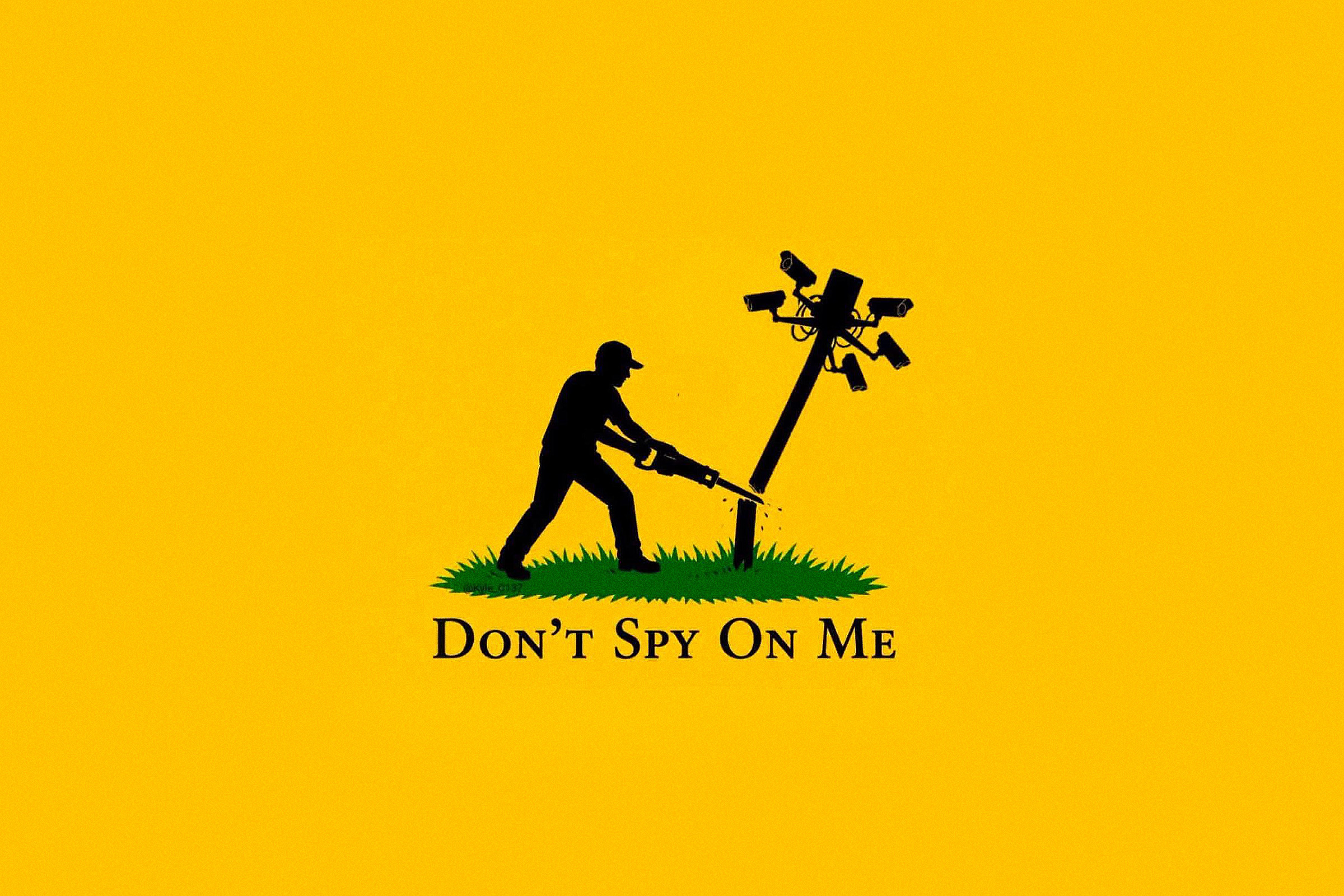
- Public outrage has spurred vandalism, activist campaigns, and contract cancellations in 53+ cities, while Flock hides cameras in speed signs to dodge destruction and debate.
Broken Trust, Real Harm
Flock Safety’s error-prone alerts and unchecked police misuse have fueled wrongful stops, personal targeting, and a crisis of public trust far beyond technical glitches.
By mid-2026, Flock Safety’s nationwide ALPR surveillance cameras have become notorious for generating widespread false positives, with an inspector general audit revealing that 32.3% of alerts were inaccurate over just two months, leading to 161 vehicles being wrongly flagged as stolen. These errors have not only strained law enforcement resources by prompting unnecessary high-risk stops involving backup and air support but have also spotlighted critical failures in data quality, governance, and oversight that threaten both public safety and police-community trust.
Beyond technical glitches, misuse of Flock’s surveillance data by police officers has emerged as a troubling pattern, with reports from Straight Arrow News and the Institute for Justice documenting at least 22 cases since 2024 where officers exploited ALPR tools to stalk ex-partners or monitor protesters. This abuse, coupled with unauthorized sharing of sensitive data across hundreds of agencies without local consent—as seen in Mountain View’s decision to disable its cameras—exacerbates risks of wrongful police actions and raises profound privacy and governance concerns.
High-profile incidents like the false flagging of journalist Joel Feder’s Range Rover due to a manufacturer plate data error underscore the real-world dangers of Flock’s flawed system, which triggered an armed police response against an innocent individual. Such episodes vividly illustrate how data inaccuracies can escalate into wrongful and potentially traumatic law enforcement encounters, fueling public backlash and calls for stricter oversight.

Surveillance Goes Personal
Flock’s AI lets police search for people by appearance and track them by drone, blurring the line between public safety and pervasive, individualized monitoring.
Flock Safety’s surveillance technology has dramatically evolved from its original focus on license plate recognition to encompass sophisticated individual tracking capabilities, notably through its 'Freeform' search feature introduced in early 2025. This innovation allows law enforcement to conduct natural language queries—such as 'male with tattoos' or 'Caucasian woman with Ugg boots'—across hundreds of cameras simultaneously, effectively enabling the tracking of people based on detailed physical descriptions despite Flock’s claims of no facial recognition or name-based searches. This shift has intensified privacy concerns, as the technology now transcends vehicle monitoring to actively surveil individuals in public spaces.
Beyond ground-based cameras, Flock Safety has expanded its surveillance reach into the skies with the acquisition of Aerodome in October 2024 for over $300 million, launching the Flock Alpha drone system. These drones integrate high-resolution optics, thermal imaging, low-light capabilities, and even gunshot detection, enabling near-invisible, persistent aerial surveillance that can track license plates from up to 2,000 feet and provide live, high-definition video feeds. Automated docking stations, or 'hives,' facilitate autonomous launches and rapid battery swaps, creating a flexible surveillance grid that law enforcement can operate quietly and continuously, merging drone footage seamlessly with fixed-camera and license plate data on a unified software platform.
The expansion of Flock Safety’s surveillance capabilities unfolds amid a broader context of regulatory gridlock and stalled transatlantic data sharing in 2026, complicating governance and oversight of these advanced technologies. As debates over data privacy intensify, the integration of facial and vehicle recognition cameras alongside AI-powered descriptive searches highlights the challenges regulators face in keeping pace with rapidly evolving surveillance tools that blur the lines between public safety and individual privacy rights.

Police Defend Their Eyes
Law enforcement leaders tout Flock’s role in solving major crimes, insisting that strict internal controls and real-world results outweigh privacy fears.
Law enforcement officials, represented by John Wilkerson of the Texas Municipal Police Association, staunchly defend Flock Safety's ALPR cameras as indispensable crime-fighting tools relied upon daily by over 35,000 officers across Texas. They argue that these technologies not only enhance public safety but are governed by robust accountability measures, including audit trails, strict data-retention limits, and documented prosecutions of officers who misuse data, thereby addressing privacy concerns while maintaining operational integrity.
Proponents highlight concrete successes where Flock cameras have materially aided investigations, such as identifying suspects in a 2025 Austin shooting and tracking violent offenders fleeing through Manor, Texas, even after Austin discontinued its contract. This tangible impact on solving crimes bolsters law enforcement’s argument that the absence of such surveillance tools can hinder public safety efforts, exemplified by Wilkerson’s reflection on a 2012 murder-for-hire case where he asserted, 'Had we had Flock camera systems strategically placed... I am 100% confident that we could have saved that woman's life.'
Backlash and Stealth Tactics
Grassroots vandalism and activist campaigns have forced Flock to hide cameras in everyday objects, escalating the battle over transparency and community consent.
Public opposition to Flock Safety’s surveillance technology has escalated into a multifaceted backlash marked by widespread vandalism, activist campaigns, and significant contract cancellations. Reddit’s r/FlockSurveillance community openly lauds the destruction of Flock’s ALPR towers, reflecting grassroots resistance that has contributed to at least 53 municipalities, including major agencies like the LAPD, terminating their contracts amid fears of federal data overreach, according to DeFlock.org. This groundswell of dissent is further amplified by viral activist efforts such as Jacob Petrosky’s DeFlockCG campaign in Arizona, which demands warrants and independent audits to curb what critics see as invasive tracking practices.
In response to persistent vandalism targeting its conspicuous camera towers—characterized by black poles and solar panels—Flock Safety has resorted to embedding its surveillance devices inside everyday infrastructure like roadside speed signs. This strategic concealment not only shields the cameras from physical destruction but also effectively erases public visibility and debate around their presence, as the radar boxes serve as camouflage rather than new infrastructure. Such stealth deployment exacerbates concerns over transparency, especially since many local governments fail to adequately publicize these installations, fueling distrust and undermining community consent.
Despite mounting public backlash and contract cancellations, many municipalities continue to grapple with the dilemma of surveillance technology by replacing Flock Safety with competitors like Axon, which offer similar ALPR systems but claim to avoid federal data entanglements. This shift underscores ongoing local government debates about balancing public safety with privacy rights, as communities nationwide hold frequent, often heated city council meetings where residents—well-versed in Fourth Amendment issues—voice sophisticated concerns about unlawful searches and pervasive monitoring. The decentralized nature of U.S. governance further complicates oversight, with various entities acquiring cameras without public meetings, deepening public distrust.
The public backlash against Flock Safety has transformed into a decentralized, nationwide movement characterized by frequent local protests, vocal city council debates, and negative media coverage that collectively damage the company’s reputation. Activists and concerned citizens have turned council meetings into battlegrounds, often facing hostility from officials resistant to scrutiny, as exemplified by Petrosky’s experiences in Arizona where council members reacted with visible fury to his critiques. This widespread civic engagement reflects a growing demand for transparency, accountability, and stricter governance of surveillance technologies, especially as new tools like drones enter the fray, raising fresh privacy alarms among local officials.

Laws Lag as Data Grows
With legislative reforms stalled, Flock’s vast, warrantless data collection outpaces regulation, igniting fierce debate over unchecked surveillance and civil liberties.
The rapid proliferation of Flock Safety's surveillance cameras has intensified the clash between public safety ambitions and civil liberties, spotlighting urgent demands for robust legal and policy frameworks. While marketed as tools for enhancing security, these systems inherently collect mass data without warrants or prior suspicion, creating searchable maps of individuals’ daily movements that raise profound ethical and governance dilemmas. As one explainer noted, “The best surveillance systems are never sold by saying: It photographs everyone...and in many jurisdictions…an officer does not need a warrant to search it,” underscoring the tension between transparency and covert data accumulation.
Flock Safety’s centralized storage of license plate data, vehicle descriptions, and timestamps accessible to law enforcement without court approval has drawn sharp criticism from civil liberties groups like the ACLU, which warn of a sprawling national database enabling unfettered surveillance. This concern is compounded by documented indirect federal access, including Border Patrol searches lacking explicit authorization, as detailed by the University of Washington Center for Human Rights. Although Flock disputes claims of pervasive tracking—emphasizing their cameras capture only publicly visible vehicle information at a single moment—the opacity surrounding data sharing fuels ongoing mistrust and calls for greater corporate accountability.
Legislative efforts to regulate automated license plate readers (ALPRs) have repeatedly stalled amid political gridlock, despite bipartisan initiatives such as former Pennsylvania state Rep. Josh Siegel’s proposed permitting process and a federal amendment by Reps. Scott Perry and Chuy García to restrict ALPR use to tolling purposes. Washington State’s Engrossed Substitute Senate Bill 6002 stands out as a rare example of comprehensive regulation, imposing limits on data retention, access, sharing, and vendor oversight. These fragmented attempts reflect the broader challenge of crafting effective governance in the face of rapidly evolving surveillance technologies and entrenched institutional resistance.
Historical lessons from governmental oversight reports, including the Privacy and Civil Liberties Oversight Board’s critique of NSA bulk data collection and FBI’s COINTELPRO secrecy, highlight the enduring risks of unchecked surveillance programs lacking transparency and accountability. In this context, Flock Safety’s acknowledgment of its responsibility to police police use of its technology, as noted by Forbes’ Garrett Langley, signals an awareness of corporate ethical obligations. However, persistent scrutiny over the effectiveness of such oversight underscores the ongoing tension between innovation in public safety tools and the imperative to safeguard privacy rights.