Flock safety’s AI drones slash crime—but privacy alarms spark national backlash
The gist
Flock Safety’s AI-powered drones are slashing crime rates at record speed—but a privacy firestorm is forcing America to rethink just how much surveillance is too much.
What to know
- Flock’s drones and cameras now help police clear over a million crimes annually in 6,000+ U.S. cities, dropping response times from seven minutes to just over one.
- San Francisco saw major crimes plunge 44% and car thefts drop 54% after deploying 400 license plate readers and 80 drones between 2023 and 2025.
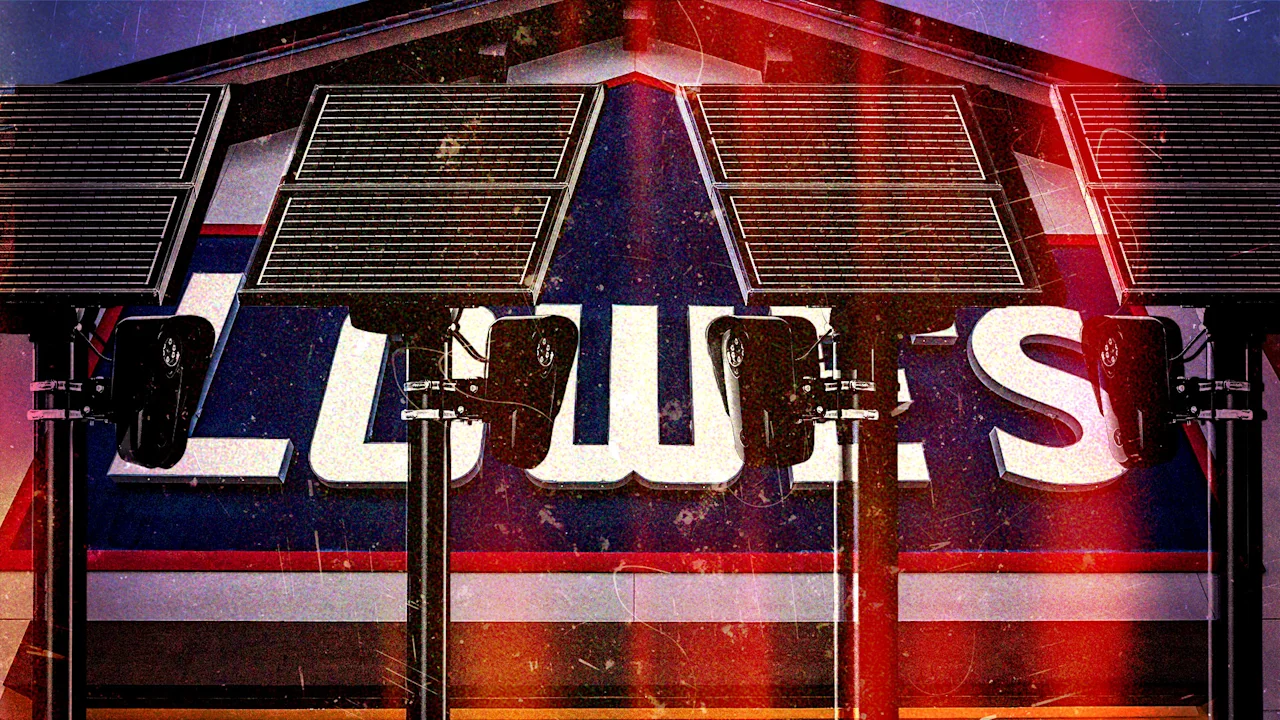
- Public outrage erupted after Flock employees accessed sensitive live feeds, sparking protests and national backlash over privacy, even as big brands like Lowe’s face pressure to cut ties.
AI Policing’s New Backbone
Flock Safety’s integrated AI platform and rapid-response drones are reshaping law enforcement, closing more cases faster and reducing wrongful arrests amid nationwide staffing shortages.
Founded by Garrett Langley after a personal encounter with neighborhood crime, Flock Safety has revolutionized public safety by deploying an integrated AI-driven ecosystem that now aids in clearing over a million crimes annually across more than 6,000 U.S. cities. By early 2026, the company’s technology—combining AI-powered cameras, drones capable of arriving on scene in under a minute, and real-time 911 integration—addresses critical policing challenges such as declining homicide clearance rates and staffing shortages, effectively accelerating investigations while reducing wrongful arrests.
Flock Safety’s innovation extends beyond traditional surveillance through the deployment of AI-enhanced drones and a sophisticated network of smart sensors, including license plate readers and gunshot detection systems. This multi-modal approach enables rapid, real-time responses—such as drones pursuing suspects from half a mile away or tracking Amber Alert vehicles on highways—offering a cost-effective and scalable alternative to helicopters, which are impractical for continuous 24/7 coverage.
The company’s proprietary platform, FlockOS, seamlessly integrates its own devices with third-party cameras, dispatch alerts, body-worn cameras, and traffic data, creating a comprehensive real-time intelligence network. This ecosystem empowers law enforcement and community partners alike; for example, a 911 operator used Flock’s natural-language search tool to identify a suspect within seventeen minutes, while drones reduced average response times from over seven minutes to just over one minute, dramatically enhancing situational awareness and accelerating crime resolution.
Flock Safety’s AI-powered vehicle recognition system marks a significant leap over legacy $50,000 ALPR systems by capturing 30-40% more vehicles through identification of 24 distinct vehicle characteristics beyond license plates. This technological edge has yielded tangible public safety benefits, as evidenced by San Francisco’s deployment of 400 license plate readers and 80 drones, which correlated with a 44% drop in major crimes and a 54% reduction in car thefts between 2023 and 2025, underscoring the transformative impact of these innovations on crime reduction and law enforcement outcomes.




Tech Drives Crime Clearance Surge
AI-powered drones and adaptive alert systems are reversing decades-long declines in crime-solving, enabling small towns and major cities to catch suspects and slash response times without ballooning police budgets.
By early 2026, Flock Safety's integration of AI and drone technology revolutionized law enforcement's ability to respond to and solve crimes rapidly, with drones arriving at scenes in under a minute and AI identifying suspects from half a mile away. This innovation not only accelerated suspect identification—contributing to nearly a million arrests in a single year—but also addressed the alarming decline in homicide clearance rates, which had halved over the past four decades, underscoring the urgent need for such technological interventions to improve public safety.
Flock Safety’s adaptable alert system has empowered police departments across diverse settings—from a small Illinois town to industrial campuses—to detect unique crime patterns and unauthorized activities with precision. For instance, tailored alerts for suspicious vehicles led to multiple arrests in Illinois, while automatic 911 calls triggered by unauthorized human presence on oil rigs enhanced rapid response capabilities, demonstrating the technology’s flexibility in both urban and specialized environments.
The deployment of Flock’s technology in major cities like San Francisco and Las Vegas has yielded dramatic crime reductions and improved clearance rates, with San Francisco reporting a 44% drop in major crimes and a 54% decrease in car thefts between 2023 and 2025 after installing 400 license plate readers and 80 drones. Meanwhile, Las Vegas achieved the nation’s highest murder clearance rate—over 90%—and a sharp decline in police shootings, all with less than a one percent increase in police budget, illustrating the cost-effectiveness and tangible impact of public-private partnerships leveraging Flock’s tools.
Beyond faster arrests and crime reduction, Flock Safety’s widespread surveillance network has become a potent deterrent, altering criminal behavior and reducing recidivism. Cultural markers like a Southern California rap song warning listeners to avoid Flock cameras and a Bay Area criminal publicly quitting crime highlight the chilling effect of increased surveillance, while the system’s support in resolving over one million criminal cases and recovering more than 10,000 missing persons nationwide underscores its profound real-world impact.

Corporate Ties Fuel Surveillance Uproar
Public backlash is mounting as Flock’s partnerships with companies like Lowe’s and law enforcement agencies—including ICE—spark fears of mass monitoring and civil rights violations.
By early 2026, corporate partnerships with AI surveillance firms like Flock Safety have come under intense scrutiny, exemplified by Lowe’s Home Improvement facing pressure from a coalition of 38 organizations—including the Electronic Frontier Foundation and Fight for the Future—to sever ties due to concerns over the harmful impact of surveillance on vulnerable communities. This backlash is amplified by revelations that law enforcement agencies, including ICE, have utilized Flock’s cameras and automated license plate readers, fueling fears of mass monitoring and civil liberties infringements.
In Dunwoody, Georgia, the discovery through FOIA requests that Flock Safety employees accessed live camera feeds from sensitive locations such as a children's gymnastics room ignited significant public outrage and privacy concerns. Despite Flock’s apology and explanation that the access was for sales demonstrations, the company’s decision to renew its contract with the city sparked intense protests and galvanized ongoing local organizing efforts against pervasive surveillance practices, underscoring the deep mistrust communities harbor toward such monitoring technologies.


Ethics Clash Over Surveillance Deals
Scandals over Flock’s access to sensitive footage and renewed contracts despite protests are intensifying the debate over corporate responsibility and the real-world risks of unchecked AI surveillance.
By early 2026, Lowe’s partnership with Flock Safety became a lightning rod for ethical debates surrounding AI surveillance, as the use of Flock’s automated license plate readers and cameras by law enforcement—including ICE—sparked fears of mass surveillance and civil liberties infringements. Critics argued that such corporate alliances implicate companies like Lowe’s in invasive practices that disproportionately harm vulnerable communities, intertwining corporate responsibility with broader civil rights concerns.
The discovery that Flock Safety employees accessed cameras in sensitive locations, such as a children’s gymnastics room in Dunwoody, Georgia, intensified public outrage and underscored the risks of unchecked AI surveillance in private and vulnerable spaces. Despite vocal protests at city council meetings demanding accountability and transparency, law enforcement agencies renewed contracts with Flock, highlighting the persistent tension between embracing innovative crime-fighting technologies and safeguarding privacy rights.
In response to these controversies, a coalition of 38 advocacy groups—including the Electronic Frontier Foundation and Fight for the Future—mobilized to demand that Lowe’s sever ties with Flock Safety, emphasizing the disproportionate harm surveillance inflicts on marginalized communities. This groundswell of activism reflects a growing public insistence on ethical oversight and transparency in deploying AI-driven public safety tools, signaling that community organizing remains a critical force in challenging the unchecked expansion of surveillance technologies.
Drone Networks Redefine Safety—and Risk
Connected drone and sensor systems are revolutionizing emergency response and situational awareness, but their rapid spread is forcing cities to confront new security threats from hostile autonomous devices.
By mid-2026, the fusion of drones with expansive sensor networks—including gunshot detection and lifeway reading cameras—is fundamentally transforming public safety operations. This integrated ecosystem enables rapid, automated emergency responses that traditional methods like helicopters cannot match, as drones can swiftly pursue suspects or track Amber Alert vehicles across highways, achieving unprecedented levels of community safety. Such connected drone networks facilitate real-time data sharing and coordination, significantly enhancing situational awareness and resource management during crises.
While the proliferation of drones promises to elevate emergency response capabilities, it simultaneously introduces complex governance challenges, notably the emergence of potentially hostile drones. As public safety agencies prepare for this dual reality, oversight frameworks must evolve to address both the operational benefits and the security risks inherent in a sky increasingly populated by autonomous flying devices.