Food safety system buckles: cuts, delays fuel cyclospora chaos
The gist
America's food safety system is cracking under political pressure, funding cuts, and industry influence—leaving consumers exposed to outbreaks like the 2026 Cyclospora crisis.
What to know
- CDC’s parasite-tracking team was gutted from 11 to just 3 scientists after Trump-era budget cuts, crippling outbreak response.
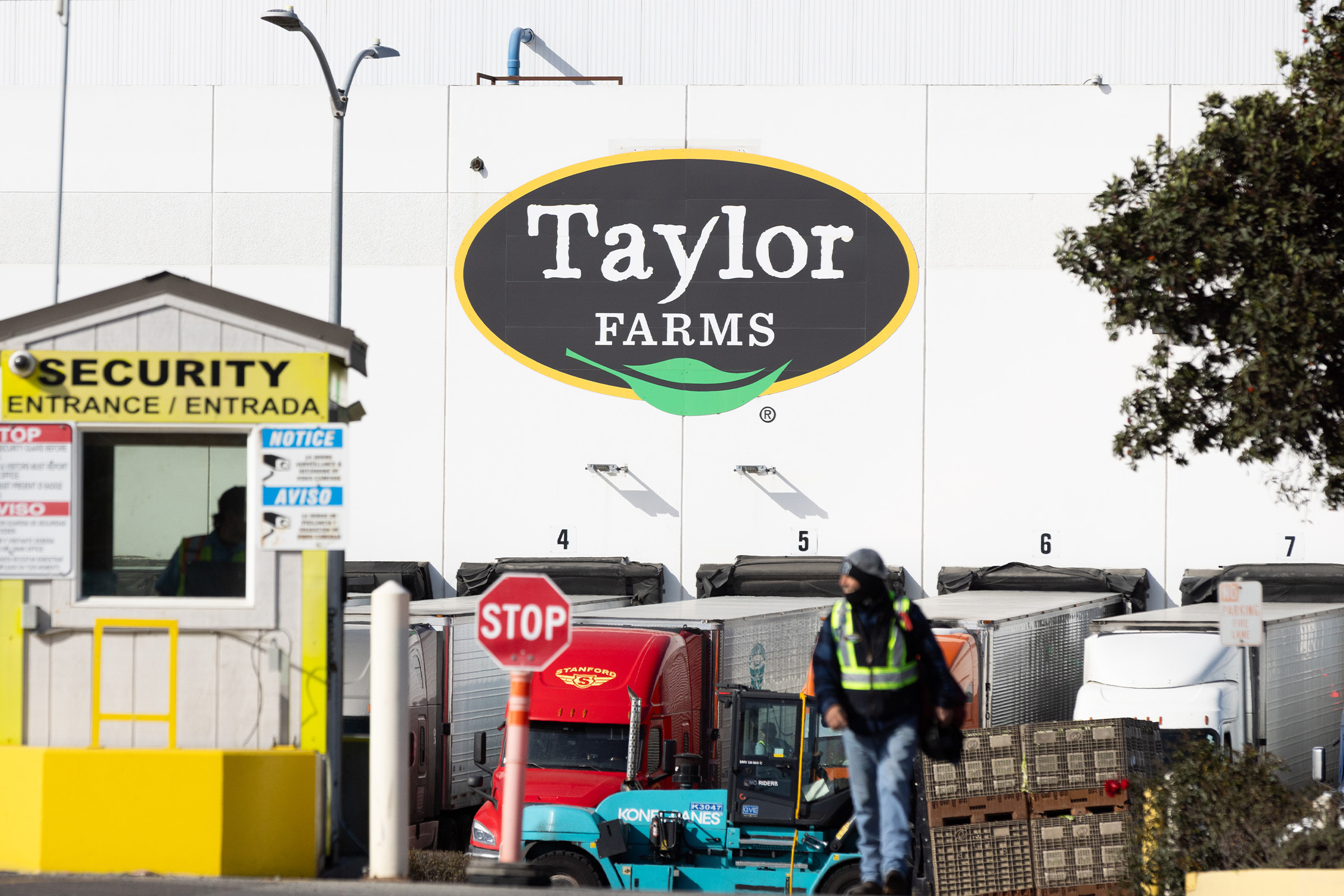
- Political interference and a $1 million Taylor Farms donation delayed the FDA’s Food Traceability Rule from 2026 to 2028, stalling rapid recalls.
- Produce giants like Taylor Farms and Sysco now dominate sprawling supply chains, turning local contamination into nationwide outbreaks that are nearly impossible to trace.
Blind Spots in Surveillance
Sweeping budget cuts slashed pathogen tracking and gutted expert teams, leaving critical gaps that let deadly outbreaks like cyclospora spread unchecked.
During the Trump administration, sweeping budget cuts and workforce reductions drastically undermined the CDC's and FDA's capacity to monitor and respond to foodborne outbreaks. Notably, the CDC's FoodNet surveillance program was slashed from tracking eight pathogens to just two—Salmonella and Shiga toxin-producing E. coli—eliminating mandatory reporting for dangerous pathogens like listeria and campylobacter, which annually cause hundreds of deaths and millions of illnesses. This contraction created significant blind spots, allowing outbreaks such as the cyclospora parasite—which had previously been under active surveillance—to spread undetected across multiple states, affecting thousands.
The workforce attrition was equally severe, with the CDC losing roughly a quarter of its staff, including specialized disease detectives critical for outbreak detection and source tracing. For example, the CDC’s team dedicated to tracking foodborne parasites shrank from 11 scientists to just three, severely hampering investigations into complex pathogens like cyclospora that require specialized testing. These cuts extended beyond the CDC to the USDA and FDA, where hiring freezes and layoffs left nearly 20% of human food inspection positions vacant, leading experts like Brian Ronhold of Consumer Reports to declare the FDA’s food safety efforts 'virtually nonexistent.'
This systematic defunding and downsizing reflect a misaligned prioritization that targeted essential public health protections while sparing other government spending, revealing a troubling undervaluing of outbreak prevention infrastructure. The elimination of key advisory bodies such as the National Advisory Committee on Microbiological Criteria for Foods further eroded expert collaboration needed for evidence-based food safety recommendations. As Bill Marler warned, these cutbacks effectively allow outbreaks to continue unchecked, increasing public health risks and economic costs that far outweigh the savings from budget slashes.
The consequences of these funding and staffing decisions have been starkly visible in the recent cyclospora outbreak, where diminished federal capacity led to slower detection, confusing public messaging, and ineffective outbreak control. The FDA’s premature announcement and subsequent retraction of a positive cyclospora test on lettuce from Taylor Farms exemplified the communication breakdowns undermining public trust. Despite official claims that the outbreak was 'under control,' cases surged dramatically, with Michigan reporting over 7,000 cases and Ohio tripling its numbers by mid-2026, underscoring the real-world toll of these systemic failures.



Politics Stall Safety Rules
Industry donations and political interference derailed FDA traceability reforms, delaying outbreak response while undermining public trust and regulatory integrity.
Political decisions and funding cuts have critically undermined the CDC and FDA's capacity to track and respond to foodborne outbreaks effectively. Since mid-2025, Republican-led budget reductions slashed CDC’s comprehensive outbreak tracking systems and reduced specialized teams, such as the cyclospora unit from 11 to just 3 members, creating blind spots that delay investigations and weaken public health responses. Experts like Craig Hedberg emphasize that these cuts have directly diminished the nation’s ability to manage outbreaks like the 2026 Cyclospora crisis, while calls for politically supported, non-interfered medical leadership remain unmet.
The enforcement of the FDA’s Food Traceability Rule (FSMA 204), designed to enable rapid lot-level tracking of produce, has been repeatedly delayed due to political influence and industry pressure, severely hampering outbreak investigations. Originally set for January 2026, compliance was postponed first by the FDA and then legislatively pushed out to July 2028 through an appropriations rider known as Section 780, which not only halts enforcement but also mandates the agency to reconsider and potentially weaken critical lot-code requirements. This regulatory limbo, criticized by coalitions and consumer groups, leaves food safety teams navigating outbreaks like the largest Cyclospora event with outdated data and inadequate traceability tools.
The intertwining of political donations and regulatory decisions casts a shadow over FDA’s impartiality, exemplified by Taylor Farms’ $1 million contribution to the Trump-aligned MAGA Inc shortly after the FDA postponed the Food Traceability Rule. This 'cozy relationship' has fueled conflicting public messaging, including the FDA’s reversal on positive Cyclospora tests in Taylor Farms’ lettuce, which experts like Donald Schaffner labeled a 'pretty big screw up.' Such incidents not only undermine accountability but also erode public trust in food safety oversight amid ongoing outbreaks.
Industry opposition, particularly from food retailers represented by the Food Marketing Institute, has played a pivotal role in delaying and diluting food safety regulations despite support from major grower associations like the International Fresh Produce Association. This narrow opposition has led to regulatory uncertainty that disrupts progress made by large retailers such as Kroger, Albertsons, and Walmart, who had already implemented traceability systems aligned with FDA requirements. The resulting stalemate not only undermines consumer confidence but also compromises the accountability and effectiveness of outbreak responses during critical public health emergencies.
Supply Chain Super-Spreaders
Produce industry consolidation turns isolated contamination into nationwide outbreaks, with complex, opaque supply chains making tracebacks nearly impossible.
Decades of consolidation in the U.S. produce supply chain have transformed what might once have been localized contamination events into sprawling multistate outbreaks, as centralized sourcing and distribution amplify the scale and impact of foodborne illnesses. Experts like Stanford's Dr. David Relman and NYU's Marion Nestle highlight how the pooling and redistribution of products—such as bagged chopped lettuce sourced from multiple heads—expand contamination reach, with major players like Taylor Farms and broadline distributors Sysco and US Foods dominating the landscape. This consolidation, driven by efficiency gains, ironically increases vulnerability, as Nestle warns, "The bigger the supplier, the greater the opportunity for contamination."
The complexity and perishability of fresh produce moving through extensive domestic and international supply chains create formidable challenges for outbreak tracking and recall efforts. Produce often passes through dozens of farms, packing facilities, and distributors across thousands of miles in a matter of days, making tracebacks time-consuming and difficult, especially when compounded by cyclospora’s long incubation period of up to two weeks. Public health investigations are further hampered by delays in illness reporting—estimated by the CDC to lag about six weeks—and the fragmented nature of data collection without a centralized entity to analyze nationwide trends, prolonging outbreak identification and response.
Regulatory and systemic shortcomings exacerbate traceability challenges in this consolidated supply chain. The delayed enforcement of FSMA Section 204, which mandates lot-level traceability for fresh leafy greens, has stalled critical progress; originally due by January 2026, enforcement was paused until 2028 to allow FDA and industry to develop operationally sound approaches. Meanwhile, conflicting information and false positives—such as the FDA’s initial but later retracted implication of Taylor Farms—have muddied investigations, as noted by public health officials like Austin Krohn, further delaying effective outbreak containment.
Emerging digital traceability and information communication technologies (ICT) offer promising solutions to the entrenched challenges posed by supply chain consolidation. By replacing paper-based records and siloed data with continuous digital threads across multiple supply-chain touchpoints, these tools can reduce the time to identify affected lots from days to minutes, enabling faster, more precise recalls. Technologies such as sensors, IoT devices, cloud platforms, and machine learning facilitate real-time monitoring of environmental conditions and predictive analytics, addressing contamination risks from irrigation water to worker hygiene, and potentially transforming outbreak prevention in a highly consolidated and complex produce supply chain.
Prevention Fails at the Farm
FDA oversight neglects irrigation water and relies on unenforceable guidelines, allowing contamination risks to persist at the source of produce.
By early 2026, the FDA's food safety framework revealed a critical blind spot by focusing predominantly on processors and manufacturers while largely ignoring pre-harvest factors such as irrigation water, a known vector for Cyclospora outbreaks. This oversight is compounded by the agency's reliance on nonbinding guidance rather than enforceable regulations, which limits its capacity to mandate safe practices or hold companies accountable. As Marion Nestle highlights, the FDA's guidance 'does not establish any rights for any person and is not binding on FDA or the public,' underscoring a systemic weakness in regulatory authority that hampers effective prevention.
Efforts to regulate microbial contamination in irrigation water have been repeatedly diluted over the past decade, illustrating a troubling retreat from science-based safeguards. The 2015 FDA rule that imposed a strict limit of 126 colony-forming units of generic E. coli per 100 mL and mandated testing was delayed three times over nine years before being repealed altogether. This rollback replaced rigorous oversight with a lax annual self-assessment system, where growers evaluate their own water quality and decide on corrective actions, effectively undermining proactive prevention and leaving food safety vulnerable to lapses at the farm level.
Crisis Communication Breakdown
Understaffed agencies and muddled messaging during the cyclospora outbreak fueled confusion, damaged brand reputations, and drove consumers away from fresh produce.
Systemic underfunding and workforce reductions within federal food safety agencies have critically undermined the U.S. public health response to foodborne outbreaks, as evidenced by the prolonged 2026 cyclospora crisis. The CDC’s Division of Parasitic Diseases and Malaria, for instance, lost $40 million in funding and shrank from 11 scientists to just three, severely limiting outbreak tracking and investigation capabilities. Craig Hedberg and former CDC official Dr. Daniel Jernigan both highlighted how these cuts have diminished outbreak response capacity, while the dismantling of advisory bodies like NACMCF further eroded evidence-based guidance, leaving agencies ill-equipped to manage complex parasitic outbreaks effectively.
Inconsistent and delayed communication from federal agencies during the cyclospora outbreak sowed confusion among consumers and complicated containment efforts, ultimately eroding public trust in both the food safety system and implicated brands. The FDA’s retraction of a positive cyclospora test in Taylor Farms lettuce, described by Donald Schaffner as a 'pretty big screw up,' muddied the waters and intensified consumer anger. HHS spokesperson Emily Hilliard’s attempt to clarify that corrected lab results did not alter findings failed to stem public uncertainty, while social media rapidly assigned blame to Taylor Farms well before official recalls, amplifying reputational damage.
The outbreak’s complexity—spanning at least six simultaneous cyclospora clusters resistant to conventional consumer advice like washing—prolonged the public health crisis and deepened the food industry’s PR woes. Major brands such as Sweetgreen and Taco Bell faced intense scrutiny, with Taco Bell’s swift, proactive response earning it significantly more consumer goodwill compared to others. However, the broader produce sector suffered lasting harm, as a YouGov and CBS poll revealed that 40% of Americans reduced their fresh produce consumption amid the outbreak, echoing the decade-long sales slump following the 2006 spinach E. coli incident and undermining public health goals during peak salad season.
The cumulative effect of these systemic failures has driven consumer confidence in U.S. food safety to its lowest point in over a decade, with experts like Brian Ronhold of Consumer Reports warning that the FDA has become 'virtually nonexistent' in its oversight role. This erosion of trust extends beyond individual outbreaks, threatening long-term public health initiatives aimed at encouraging healthier eating habits and placing additional strain on food brands striving to reassure wary consumers in an increasingly skeptical market.



Tech Advances, Policy Retreats
While digital traceability and AI promise faster recalls, political delays and industry resistance threaten to stall the very reforms needed to prevent the next crisis.
At IAFP 2026, the USDA introduced its Salmonella SAFE strategy, which leverages existing standards and accelerates assessment timelines to enhance Salmonella control in poultry without imposing new regulations. Concurrently, the FDA is advancing chemical oversight and traceability by proposing to extend the Food Traceability Rule compliance deadline to 2028 and reforming the GRAS notification process. These regulatory efforts are complemented by the FDA's adoption of advanced AI tools like WILEE for post-market surveillance and predictive modeling in seafood inspections, enabling earlier risk detection and intervention across the food supply chain.
The U.S. produce sector is rapidly embracing digital traceability and real-time data technologies to combat rising recall incidents in 2026. By integrating sensors, IoT devices, cloud platforms, and machine learning, stakeholders—from growers to retailers—are creating a continuous digital thread that transforms food safety from reactive to proactive management. This digital shift drastically shortens the time to identify contaminated lots from days to minutes, while consumer-facing tools like QR codes enhance transparency and trust. Automated cold-chain monitoring and environmental sensors further provide early warnings for microbial risks, driven by stricter FDA requirements and growing demand for automated oversight.
Despite clear benefits, the FDA's Food Traceability Rule faces significant political headwinds, with the Safe Food Coalition and eleven consumer, public health, and labor groups urging Congress to rescind a budget rider delaying enforcement until 2028. This delay, coupled with mandates forcing the FDA to reconsider essential lot-level tracking requirements—the very backbone of effective traceability—has hampered outbreak investigations, notably the Cyclospora epidemic linked to Taylor Farms lettuce that sickened nearly 30,000 people. While major retailers like Kroger, Albertsons, and Walmart have proactively adopted traceability programs aligned with FDA standards, opposition mainly from the Food Marketing Institute threatens to undermine these advances and erode consumer confidence.
Advocates emphasize that robust enforcement of traceability rules, combined with adequate funding for the CDC and state public health agencies, is critical to preventing foodborne illnesses and improving outbreak response capabilities. The current patchwork of delayed regulations and insufficient data transparency not only slows investigations but also diminishes public trust, underscoring an urgent need for coordinated reforms that unify regulatory action, industry compliance, and technological innovation to fortify the U.S. food safety system.