Ford, IBM rehire after AI layoff missteps
The gist
Big-name companies like Ford, IBM, and Commonwealth Bank are scrambling to rehire the humans they once replaced with AI, after costly automation missteps exposed the irreplaceable value of experience and expertise.
What to know
- Ford, IBM, and others reversed high-profile AI-driven layoffs by mid-2026, bringing back hundreds of human workers to fill critical knowledge and quality gaps.
- Ford rehired over 350 veteran engineers to boost product quality—leaping from 10th to 1st in the J.D. Power Initial Quality Study after human oversight reduced costly recalls.
- Rehiring talent is expensive, with many ex-employees demanding higher pay, forcing companies to rethink workforce strategies and prioritize smarter human-AI collaboration moving forward.
AI’s Limits Exposed
Major firms are reversing automation-driven layoffs after realizing AI cannot match the depth and nuance of human expertise in critical roles.
By mid-2026, major companies including Ford, IBM, and the Commonwealth Bank of Australia have publicly reversed prior AI-driven layoffs, opting to rehire human workers after automation efforts failed to fully replicate the complexity and nuance of certain roles. This trend underscores the inherent limitations of AI in replacing institutional knowledge and meeting quality and service standards, particularly in specialized fields where human expertise remains indispensable.
Ford’s decision to rehire 350 engineers in 2026 serves as a striking example of the costly consequences companies face when overestimating AI’s capabilities. This move highlights not only AI’s current inability to substitute for deep institutional knowledge but also reflects broader industry challenges, including governance chaos and operational setbacks, prompting firms like IBM, Klarna, and Commonwealth Bank to recalibrate their workforce strategies amid ongoing AI adoption struggles.




The Power of Human Judgment
Veteran engineers at Ford proved irreplaceable by providing mentorship, catching failures AI missed, and embedding tacit knowledge into workflows, directly driving dramatic quality improvements.
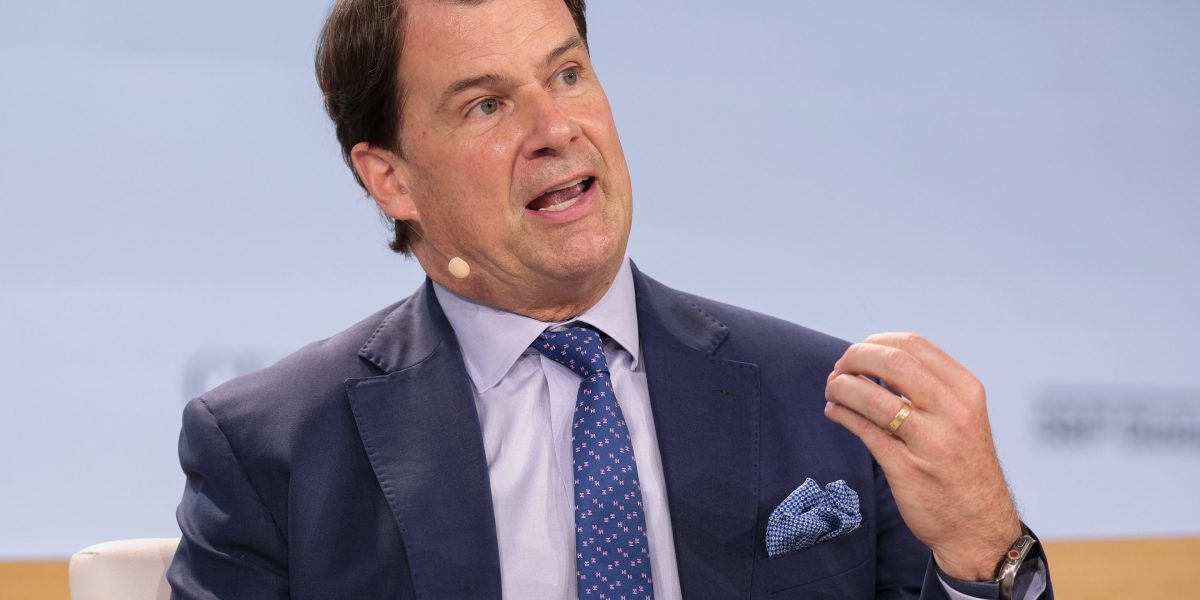
Ford's decision to rehire over 350 veteran engineers in 2026 highlights the irreplaceable value of human expertise in complex engineering roles where AI falls short. CEO Jim Farley and executives like VP Charles Poon acknowledged that AI struggles with nuanced tasks such as decision-making, quality control, and engineering math, necessitating experienced engineers to mentor juniors and enhance AI tools. This human oversight proved critical in boosting product quality and cutting recalls, as evidenced by Ford's leap from 10th to first place in the J.D. Power Initial Quality Study after reintegrating seasoned talent.
The rehiring of veteran engineers also underscores the vital role of institutional knowledge that AI systems cannot replicate or consistently encode. Experts like Kate Mullen emphasize that these engineers bring a 'human factor' essential for bridging AI’s current limitations, especially in mentoring, quality assurance, and identifying failure points before production. Ford’s COO Kumar Galhotra noted that these specialists proactively hunt for issues that automated systems miss, demonstrating how human judgment complements AI and prevents costly oversights in manufacturing workflows.
Integrating human expertise into AI workflows is not only about mentorship and quality checks but also about creating robust feedback loops that translate expert heuristics and troubleshooting narratives into labeled training data. Ford’s experience reveals that AI models underperform when tacit institutional knowledge and edge-case heuristics are absent, making human-in-the-loop processes indispensable for maintaining model accuracy and alignment with evolving production conditions. This approach requires dedicated resources for expert annotation and recurring failure reviews, ensuring AI benefits from continuous human insight rather than operating in isolation.
Rehiring experienced engineers comes with significant costs, reflecting the premium placed on scarce institutional knowledge and the consequences of prior layoffs. As noted in industry discussions, some former employees have retired or moved on, and those returning command higher compensation, illustrating the financial and strategic risks companies face when underestimating the indispensable role of human expertise in AI-driven workforce strategies. Ford’s costly but necessary reinvestment in veteran talent serves as a cautionary tale for organizations overly reliant on AI without preserving critical human capital.

Redefining Workforce for AI
Leading companies are cultivating adaptable, AI-native teams and prioritizing human-AI collaboration over headcount cuts to future-proof their organizations.
Companies like Ford, IBM, and Commonwealth Bank of Australia are accelerating rehiring efforts by prioritizing AI-native talent and fostering growth mindsets to navigate beyond the initial wave of AI-driven layoffs. This strategic pivot reflects a broader recognition that thriving in an AI-augmented future requires employees who can seamlessly integrate human skills with evolving AI capabilities, emphasizing adaptability and continuous learning as core workforce competencies.
C.H. Robinson exemplifies a people-first approach to AI transformation by embedding Lean principles into its workforce strategy, focusing on continuous process improvement rather than mere headcount reduction. CEO Dave Bozeman highlights the use of value-stream mapping to identify friction points and deploy AI agents that automate routine tasks, effectively elevating employees 'up the value stack' and fostering collaborative redesign of work through methods like the Socratic dialogue. This approach underscores a commitment to human-AI collaboration where leadership steers a multi-year vision balancing innovation with workforce stability.

