Freight market sizzles as tight capacity boosts carrier power
The gist
Freight carriers are flexing their muscles as tight capacity, regulatory crackdowns, and surging industrial growth send contract rates soaring and give carriers the upper hand in a sizzling logistics market.
What to know
- Industrial expansion tied to data centers and infrastructure pushed rail freight volumes up 4.5% and truckload contract rates to $271 plus fuel—18% higher than last year.
- Regulatory actions like stricter CDL requirements and Operation Highway Shield, which sidelined over 750 unsafe trucks, have slashed capacity and put pricing power firmly in carrier hands.
- Retailers are rebuilding inventories and the Logistics Managers Index (LMI) hit a two-year high of 71.1 in June, but July saw transportation capacity plummet to 28.4 and warehousing prices spike to 75.5.
Industrial Surge Fuels Freight
Private sector investment in data centers and infrastructure is powering a manufacturing-driven freight boom, with persistent supply chain constraints setting the stage for further rate hikes as demand outpaces capacity.
By mid-2026, robust industrial growth, particularly in manufacturing sectors tied to data centers, heavy industry, and infrastructure, has emerged as the primary engine driving freight demand across LTL, trucking, and rail networks. PMI readings from S&P Global and ISM consistently hovered above the 50% expansion threshold, with July’s PMI hitting 55.6—the highest in four years—signaling sustained manufacturing momentum. This expansion is reflected in strong new orders, production increases, and rising backlogs, as well as a 4.5% surge in rail freight volumes excluding coal and grains, underscoring broad-based industrial vitality.
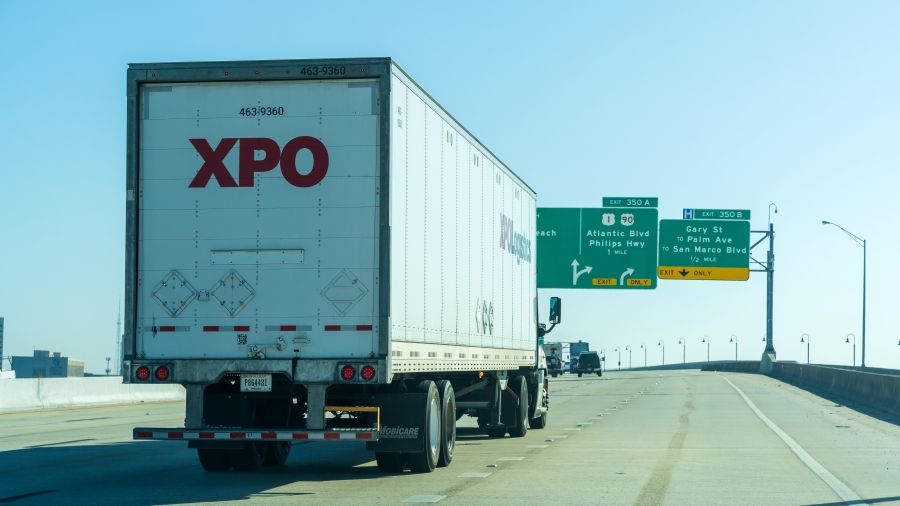
The industrial boom has significantly strengthened pricing power for LTL carriers, who report tonnage growth and improved shipment weights amid rising truckload rates and unyielding delivery deadlines. Executives from carriers like ArcBest, XPO, and Old Dominion Freight Line highlight how manufacturing recovery and growth in sectors such as electrical and data center construction are fueling bullish sentiment and enabling carriers to outperform typical seasonal tonnage declines. However, persistent supply chain constraints—evidenced by slow supplier deliveries and historically low inventories—suggest that freight demand will continue to intensify as manufacturers replenish lean stocks.
Unlike the post-pandemic freight surge driven by government stimulus, the current industrial freight expansion is predominantly fueled by private sector investments, including AI data centers, defense spending, and infrastructure projects, reflecting a more sustainable and diversified growth pattern. This shift is supported by improved labor market conditions and reduced congestion compared to 2021, allowing smoother freight operations despite tight capacity caused by regulatory pressures. Analysts warn that if freight volumes continue to track manufacturing trends into the fall peak season, constrained capacity could accelerate freight rate increases.
While manufacturing activity has accelerated for seven consecutive months, with employment gains and rising production, freight demand has not yet fully caught up due to shippers still burning through inventories rather than ordering new capacity. This cautious inventory management, influenced by geopolitical and tariff uncertainties, has kept freight volumes somewhat subdued despite strong industrial signals. Nonetheless, the underlying industrial expansion—especially in data center and semiconductor-related sectors—points to an imminent freight demand surge as replenishment needs intensify, foreshadowing tighter market conditions ahead.



Regulations Squeeze Truck Supply
Tougher licensing rules and aggressive enforcement are sidelining drivers and trucks, shrinking carrier ranks and shifting the freight market’s balance of power firmly to carriers.
By mid-2026, the freight market is experiencing pronounced capacity constraints primarily driven by regulatory tightening rather than demand growth. Stricter Commercial Driving License (CDL) requirements, including enhanced English Language Proficiency standards, have systematically reduced the pool of qualified over-the-road drivers, shifting the balance from a shippers’ market to a carriers’ market and bolstering carrier pricing power. As Matt Muenster, Chief Economist at Breakthrough, explains, the supply side tightness—rooted in driver availability and evolving regulations—is the defining characteristic of the current market dynamics.
Enforcement initiatives such as Operation Highway Shield have intensified the removal of unsafe trucks and non-compliant drivers, further tightening capacity and supporting elevated spot rates. This coordinated effort by DHS, FMCSA, and state agencies, which in late July 2026 pulled over 750 unsafe vehicles from Midwest roads and detained 51 individuals for immigration violations, exemplifies how regulatory crackdowns are actively shrinking available trucking resources. Analysts anticipate that ongoing enforcement actions, including the upcoming Road Check, will sustain these constraints through August, limiting market re-entry and maintaining carriers’ leverage.
Labor market pressures compound regulatory impacts, as rising insurance costs and immigration-focused policies drive drivers away from the industry, exacerbating capacity shortages. Paul Tonsager, CEO of IMS Advisory, highlights how these factors collectively push drivers out, while regulatory barriers also raise the hurdles for new carriers to enter the market, particularly those with new MC numbers facing difficulties securing freight. This environment encourages carriers to prioritize utilization and profitability over fleet expansion, with many reportedly shrinking their fleets over the past year, further constraining capacity despite fluctuating freight volumes.
The tightening capacity environment has translated into tangible pricing power for carriers, as evidenced by truckload contract rates holding steady at $271 plus fuel—18% above year-ago levels. This rate environment is pulling more freight back under contract, normalizing tender rejection rates and reflecting carriers’ strengthened position amid limited capacity. The July 2026 Logistics Manager Index (LMI) transportation capacity index’s sharp decline from 30.8 in June to 28.4 underscores the accelerating contraction in available capacity, reinforcing the carriers’ ability to command higher prices.
Inventory Rebuilds Drive Volatility
Retailers are restocking to hedge against tariffs while manufacturers run lean, creating upstream inventory bottlenecks and unpredictable freight surges as supply chains navigate cost and policy shocks.
By mid-2026, retailers began to rebuild inventories, reflecting renewed confidence in persistent consumer demand despite earlier economic uncertainties. The Logistics Managers’ Index (LMI) surged to 71.1 in June, driven by pre-holiday stocking and strategic restocking to hedge against potential tariff hikes, as noted in the LMI report. This inventory buildup was underpinned by resilient American consumers, whose spending habits continue to surprise analysts positively, even as housing market stagnation limits some traditional spending avenues like home-related purchases.
Manufacturers, in contrast, maintained lean inventories due to strong order backlogs and ongoing production expansion, signaling robust industrial activity but cautious inventory management. The ISM reported customer inventories at a low 40.7 in July, while backlogs rose 4.5%, and production jumped 6.3%, indicating that manufacturers are prioritizing fulfilling orders over stockpiling. Despite 60% of manufacturers actively hiring, capacity constraints—exacerbated by regulatory pressures—limit inventory replenishment, which could accelerate freight rate increases if volumes rise as expected.
However, downstream retailer inventories shifted from expansion in June to contraction in July, suggesting that inventories pulled forward ahead of tariffs and seasonal demand are now held upstream at wholesale levels. This dynamic, coupled with rising inventory costs driven by tariffs and geopolitical tensions, has complicated supply chain decisions, with Dr. Dale Rogers highlighting the confusion caused by uncertain and non-negotiable tariffs related to forced labor. The resulting inventory cost pressures and strategic caution have intensified freight market fluctuations and operational constraints.
Entering late summer, retailer inventories plunged from 60.5 to 55, reflecting low consumer stock levels that signal an impending replenishment phase ahead of the peak holiday season. Despite a temporary dip in transportation capacity and utilization, industry experts like Gene Seroka anticipate sustained robust container volumes through year-end, fueled by retailer optimism. Yet, manufacturers remain cautious, maintaining low inventories amid geopolitical and tariff uncertainties, leading to a freight market characterized by tight capacity, fluctuating demand, and a delicate balance between burning down and rebuilding inventories.
Capacity Crunch Lifts Prices
Soaring warehousing and transport costs, paired with rapid declines in available capacity, are fueling the most sustained pricing power for carriers since the pandemic era.
By mid-2026, the Logistics Managers Index (LMI) reflected a supply chain landscape marked by robust yet decelerating growth, with the index peaking at 71.1 in June—the highest since March 2022—driven largely by retailers' aggressive inventory build-ups ahead of key seasonal periods. However, this momentum faced headwinds from constrained shipping capacity and inflationary pressures, as inflation rose from 2.4% in January to 4.2% by May, alongside looming tariff uncertainties that threatened to temper future logistics expansion.
July’s LMI data painted a nuanced picture of tightening capacity amid persistent cost pressures: warehousing capacity contracted further to 46.3 and transportation capacity plunged sharply to 28.4, marking one of the steepest declines in recent history. Despite these contractions, warehousing prices surged to 75.5—the fastest increase since January 2025—while transportation pricing, though easing from a peak of 92.4 to 86.9, remained elevated, underscoring the freight market’s sustained pricing power even as utilization dipped notably from 74.7 to 65.0.
The interplay of regulatory actions and market dynamics further tightened freight capacity, with the Department of Transportation’s Operation Highway Shield removing over 750 unsafe trucks and drivers in a Midwest blitz, exacerbating the transportation squeeze. Concurrently, truckload contract rates held firm at $271 plus fuel—18% above year-ago levels—encouraging shippers to move more freight under contract, which helped reduce tender rejection rates and stabilize pricing amid the ongoing capacity crunch.
Despite a slight pullback in July’s LMI to 68.9 from June’s 71.1, the index remained well above the 50-point expansion threshold and maintained historically strong levels, with the year-to-date average at 66.6—the second highest since the index’s inception a decade ago. This sustained expansion, coupled with retailer optimism about replenishing inventories after a recent contraction, signals cautious but persistent growth expectations heading into the latter half of 2026, even as supply chain pressures and cost challenges continue to shape logistics strategies.
Carriers Hold Rate Advantage
Carriers are capitalizing on tight supply and regulatory crackdowns to keep contract rates high, but face mounting risks from fuel price spikes, volatile demand, and geopolitical uncertainty.
By early August 2026, carriers have solidified their pricing power amid tightening freight capacity, with truckload contract rates holding 18% above year-ago levels at $271 plus fuel, and tender rejection rates normalizing to around 13.84%, down 2.74% month over month. Despite a seasonal softening in spot rates to $3.47 per mile, these remain elevated compared to the past three years, reflecting sustained market strength. Regulatory crackdowns such as the Department of Transportation’s Operation Highway Shield, which removed over 750 unsafe trucks and drivers in a recent Midwest blitz, have further constrained capacity, reinforcing carriers' leverage to command higher prices.
Regional data from the Northeast underscores carriers’ selective acceptance of freight to maintain pricing power, with tender rejection rates at 8.97% even as accepted tender volumes have surged 30% year to date. This cautious approach is mirrored in carriers’ strategic focus on profitability and utilization rather than fleet expansion, as shrinking fleets persist amid ongoing capacity constraints. Regulatory enforcement efforts, including joint crackdowns by Homeland Security, DOT, and FMCSA, continue to raise barriers to entry and limit new carrier growth, further tightening the market and sustaining pricing leverage.
However, risks loom that could temper carriers’ pricing power, including short-term capacity disruptions from regulatory enforcement weeks and a recent 4.6% to 6% decline in volumes over the past three months, signaling uneven truckload demand. Rising diesel prices—up 16.8% month over month according to DOE data—have so far been successfully passed through to spot rates, supported by limited capacity, but geopolitical volatility, notably the escalating conflict in Iran, injects uncertainty into fuel costs and freight market stability. While industrial manufacturing activity is accelerating, with the ISM PMI hitting 55.6 in July—the highest since May 2022—freight demand has yet to fully catch up, suggesting that carriers must navigate a complex landscape of strong pricing power amid fluctuating demand and external risks.