From followers to true fans: substack’s authenticity revolution redefines creator success
The gist
Substack is flipping the script on creator success, proving that authenticity and direct audience ownership—not chasing viral trends—now drive lasting growth and real revenue.
What to know
- By mid-2026, founder-led storytelling and transparent engagement became the backbone of sustainable creator growth, with Substack empowering deep trust and brand equity.
- Smart creators use multi-platform strategies—LinkedIn for discovery, Substack for monetization—to diversify distribution and own their audience, sidestepping algorithmic risks.
- Authentic community-building and trust now fuel monetization, with platforms like Substack and companies like Figma reaping billions from deliberate, trust-driven engagement.
Authenticity Beats Virality
Creators who prioritize founder-driven storytelling and niche engagement are outperforming viral chasers, building lasting trust and higher revenue through deep personal connection.
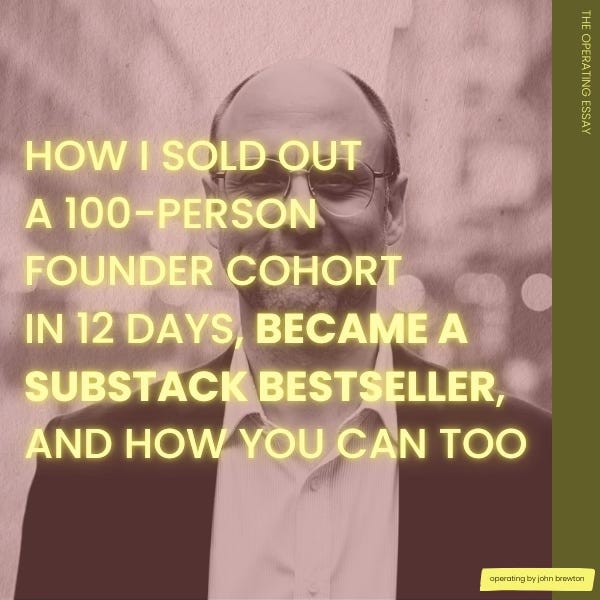
By late 2025, creators on platforms like Substack recognized that chasing viral reach and follower counts was insufficient for sustainable growth; instead, they emphasized infusing authentic, founder-driven personality into their content to rebuild and deepen audience trust. As one Substack writer reflected, 'It’s time to bring ME back into my work,' sharing personal photos and behind-the-scenes glimpses that sparked surprising engagement. This founder mindset, focused on building brand equity rather than fleeting hacks, became essential to adapt to evolving platform algorithms and maintain consistent, trust-based growth.
Entering 2026, interviews with founders such as those on Substack and Crown Affair underscored that transparency and authentic storytelling are powerful competitive advantages in a content landscape saturated with disposable posts. Founders like Diana Cohen highlighted that sharing their personal journeys and philosophies not only fosters deep emotional connections but also unlocks new business opportunities, including partnerships with major retailers like Sephora. Experiments with creator partnerships further revealed that authentic, trust-based collaborations outperform transactional marketing, especially when working with authoritative voices in the space.
The rise of interest-graph platforms such as TikTok has democratized content discovery, shifting creator strategies away from vanity metrics toward niche-focused, authentic engagement that builds trust. Analysis from early 2026 shows that micro-creators with smaller but highly engaged communities often outperform larger influencers in revenue and conversion rates, as their audiences perceive them as genuinely trustworthy rather than merely popular. This new era rewards generosity and deep relationship-building, with creators encouraged to 'go deep on a niche you genuinely care about' and produce content that truly helps their audience, marking a fundamental shift from chasing viral moments to cultivating lasting trust.
By mid-2026, the attention economy had fully embraced founder-led authenticity as a core competitive advantage, with industry leaders like Gary Vee and Jay Clouse emphasizing that consistent, prolific, and selfless content creation rooted in personal stories and genuine care builds compounding trust and brand leverage over time. Founders who overcame self-doubt and embraced vulnerability found that being the visible, authentic face of their company not only serves as free marketing but also accelerates growth, as exemplified by Meridian’s viral launch with 15 million impressions in 10 weeks. Platforms like Substack further institutionalized this shift by providing creators with dedicated spaces to own their corner of the internet, fostering deep, founder-driven connections that transcend traditional metrics and prioritize meaningful cultural impact.





Audience Ownership Wins
Direct audience relationships—built on meaningful interactions and email lists—are insulating creators from algorithmic volatility and driving more sustainable, loyal communities.
Building and owning sustainable audiences hinges on cultivating genuine, personal connections that transcend superficial metrics like follower counts. As Jo Barnes emphasizes, a smaller group of deeply engaged individuals who know you by name is far more valuable than tens of thousands of passive followers [9]. This authentic engagement is fostered through consistent, meaningful interactions such as responding to comments, hosting live webinars, and sharing personal, even mundane experiences that enrich community conversations [1, 2, 11]. Platforms like Substack facilitate this by enabling creators to own direct channels—email lists and Notes feeds—that bypass algorithmic gatekeeping, allowing creators to reach new audiences and convert them through strategic calls to action embedded in free content [7, 8, 81].
The imperative to own audiences directly has intensified as platform dependency proves risky amid shrinking organic reach and algorithmic saturation. Creators report losing up to 50% of their organic reach annually, underscoring the dangers of 'renting' audiences from platforms like Facebook or YouTube, where engagement often becomes hollow or commoditized [12, 18, 29]. Substack emerges as a strategic alternative, offering true audience ownership by providing subscriber email addresses and aligning platform incentives with creator success rather than ad-driven throttling [19, 86, 85]. This shift from a tenant to an owner mindset empowers creators to control distribution, monetization, and data, mitigating risks of sudden platform policy changes or account suspensions [44, 45, 77].
Sustainable audience growth is less about viral spikes and more about consistent, focused efforts that compound over time through trust and strategic partnerships. Michael Ridd’s disciplined six-month routine of early-morning content creation exemplifies how founder-led consistency builds compounding distribution and trust, which are foundational for long-term audience sustainability [32, 35]. Collaborations with creators who share overlapping audiences, especially through Substack’s recommendation system and live sessions, foster genuine community engagement and measurable subscriber growth without relying on algorithmic boosts [40, 41, 84, 104]. Prioritizing retention and curating a sharp, focused positioning aligned with audience needs further enhances value and loyalty amid the noise of fleeting trends [4, 88, 110].
Diversifying distribution channels while maintaining a core owned platform is essential to mitigate platform risks and deepen audience relationships. Creators strategically use social media and secondary platforms as discovery funnels to drive traffic toward owned channels like email newsletters and private communities, where they have full control and richer engagement [27, 54, 61, 113]. This approach balances the tension between not putting all eggs in one basket and avoiding dilution of focus, enabling creators to translate their core message authentically across formats and platforms without burnout [27, 62, 64]. Companies like Figma and Notion demonstrate how investing long-term in community building—through direct engagement channels such as Slack and local events—creates compounding growth, unpaid ambassadors, and a moat of trust that paid acquisition cannot replicate [37, 38].



Substack: The Creator’s Home
Substack’s suite of tools empowers creators to showcase their true selves and own their data, fueling deeper engagement and monetization beyond the reach of traditional social platforms.
Substack has emerged as a uniquely founder-friendly platform by enabling creators to deeply infuse their personality and authenticity through diverse content formats—ranging from newsletters and podcasts to live sessions and behind-the-scenes videos—while maintaining full ownership of their audience data. By early 2026, features like Substack Notes and the iOS app enhanced discovery and engagement, allowing creators to build trust and convert casual followers into paying subscribers within a personalized digital space that feels like their own corner of the internet. This approach contrasts sharply with platforms like Medium or LinkedIn, where algorithmic gatekeeping and deprioritization of personal identity often limit organic reach and monetization potential.
The strategic interplay between LinkedIn and Substack exemplifies a powerful content flywheel for founder-led growth, leveraging LinkedIn’s vast but underutilized user base of 1.3 billion with only 1% weekly content creators to drive discovery, while Substack offers a trusted space for deeper engagement and monetization through paid subscriptions. Creators like Alicia have demonstrated how transparent, public accountability on LinkedIn can accelerate follower growth, which then funnels audiences to Substack where personal branding and community trust convert them into paying supporters, underscoring the importance of multi-platform channel diversification to mitigate platform risks and algorithmic unpredictability.
Creators face growing economic and operational risks inherent in platform dependence, as evidenced by declining organic reach, increased ad saturation, and AI-driven content displacement across major social networks like LinkedIn, Instagram, and YouTube. Substack’s business model, which aligns platform incentives directly with creator revenue by earning only when creators earn through paid subscriptions, offers a rare alternative that fosters sustainable growth and audience ownership. However, creators must adopt a strategic mindset—prioritizing portability through email lists and layered revenue streams—to avoid being vulnerable to algorithm changes and platform fee structures, as relying on any single platform for over 30% of income is increasingly recognized as precarious.
While platforms like Substack provide integrated tools that consolidate multiple media formats and simplify monetization, the broader creator ecosystem remains fragmented, forcing creators to juggle multiple personas and repackage content across distinct platforms such as Circle, Teachable, and Patreon. This complexity often leads to administrative overhead and community energy drain, prompting some creators to simplify their toolsets or migrate to less formal channels like WhatsApp. Despite these challenges, Substack’s evolving vision to become the intellectual and cultural capital of the internet, emphasizing creator independence and cultural impact beyond traditional journalism, positions it as a hospitable hub for authentic, founder-led personal branding and sustainable audience growth.

Relationship-Driven Growth
Consistent, genuine engagement—systematized through daily habits and personal interactions—turns passive followers into active, loyal communities that amplify each creator’s reach.
Consistent, genuine engagement is the cornerstone of authentic growth on platforms like Substack, where creators like Jay Clouse and Diana Cohen emphasize transparency and personal storytelling as key drivers. Systematizing interaction through daily practices—such as the 10-5-1 Rule of liking, commenting, and initiating conversations on Substack Notes—builds meaningful relationships that naturally lead to recommendation swaps and subscriber growth, as demonstrated by creators who reply to every comment and DM new subscribers promptly. This approach transforms passive audiences into active communities, with creators like Anfernee and Jenny Ouyang using structured weekly prompts and personal insights in subscriber chats to deepen trust and foster ongoing dialogue.
Leveraging platform-native tools strategically—such as Substack’s Notes for short-form content, Recommendations for passive subscriber growth, and Live sessions for real-time connection—enables creators to maintain visibility and build trust without relying on external social media algorithms. Ruben Dominguez Ibar’s experience shows how focusing on one’s strongest distribution channel, combined with proactive collaboration and mutual endorsements among 3 to 7 creators with overlapping audiences, can multiply reach organically. This ecosystem rewards quality and authenticity over volume alone, with creators like Timo and Gary Vee highlighting that good work and selfless value provision naturally attract meaningful engagement and opportunities.
Balancing content volume with genuine, personalized interaction is essential for sustainable growth, as creators who publish multiple series or batch Notes maintain consistent presence while preserving energy for meaningful engagement. Gary Vee’s philosophy of throwing many content 'balls' but focusing on the few that resonate aligns with the practice of batching and scheduling Notes to appear daily without burnout. Meanwhile, direct subscriber engagement—such as brief, human DMs ending with questions—dramatically increases retention and conversion, turning one-off subscribers into loyal community members who actively participate and promote the creator’s work.
Authenticity, anchored in personal voice and storytelling, remains the irreplaceable driver of engagement and trust, as evidenced by Ellen Scherr’s viral Notes and the emphasis on developing a unique 'writer thumbprint.' Creators who share specific, relatable details and unscripted experiences foster deep emotional resonance that algorithms cannot replicate. This human-centered approach, combined with consistent free content across multiple formats—long-form articles for authority, Notes for visibility, and subscriber chats for intimacy—builds a discovery engine and a loyal audience that sustains growth beyond fleeting viral moments.


Trust Powers Monetization
Transparent, trust-based community building is driving billion-dollar outcomes for both creators and companies, turning authentic engagement into scalable, compounding revenue streams.
By early 2026, creators and companies increasingly recognized that deep audience trust, cultivated through transparency and authentic engagement, is the cornerstone of scalable monetization. Alex Dees highlighted how building in public fosters immediate trust, accelerating growth and facilitating meaningful first interactions, while companies like Figma and Notion demonstrated that deliberate community investment yields substantial revenue—Figma’s community involvement contributed to over $1 billion in revenue and 70% of new enterprise deals. This trust-driven community acts as a compounding growth channel, enhancing retention, word of mouth, and authentic brand preference beyond traditional paid acquisition methods.
Creators leverage trust to diversify revenue streams effectively, moving beyond single-channel monetization to include paid subscriptions, high-ticket coaching, digital products, and ad networks. Tyler from Beehiiv emphasized newsletters as a top-of-funnel tool that builds engaged audiences, enabling creators to monetize through multiple avenues like the beehive ad network, which connects thousands of premium brands with newsletter creators. Similarly, high-ticket offers thrive on deep trust rather than audience size, as buyers typically engage with free content for weeks before investing in $3,000 to $5,000 coaching packages, with paid subscriptions serving as a critical bridge from casual interest to serious commitment.
Sustainable monetization hinges on authentic, founder-led content that fosters personal connections and community loyalty. Gary Vaynerchuk’s strategy of posting hundreds of authentic pieces daily across multiple platforms underscores the power of consistent, genuine engagement to build scalable business models. This approach is echoed in the rise of 'founder marketing,' where charisma and authentic presence on platforms like YouTube create addictive audience relationships that convert into profitable offers. Moreover, creators who avoid early aggressive monetization and prioritize trust-building—akin to Apple’s trillion-dollar valuation rooted in consumer trust—ultimately unlock more lucrative, long-term revenue opportunities.
Metrics that capture trust and engagement quality, rather than sheer audience size, better predict monetization potential. David Homan argues that genuine connection arises from repeated value exchange and intentional relationship design, highlighting the importance of identifying 'connectors' within audiences who actively participate and refer others. Involving audiences early through feedback loops and exclusive previews builds trust and clarifies value before product launches, transforming passive followers into engaged community members. This trust economy is exemplified by The Guardian’s U.S. operation, where 70% of $81 million revenue comes from reader donations, demonstrating that authentic relationships can sustain profitable, diversified business models beyond advertising.




From Content to Community
Modern creators are shifting from transactional content to fostering vibrant, interactive communities, leveraging trust and authenticity as the foundation for long-term success.
Modern creators are shifting from transactional content to fostering vibrant, interactive communities, leveraging trust and authenticity as the foundation for long-term success.