Fuel frugality: shoppers top off tanks and trim spending as gas nears $5
The gist
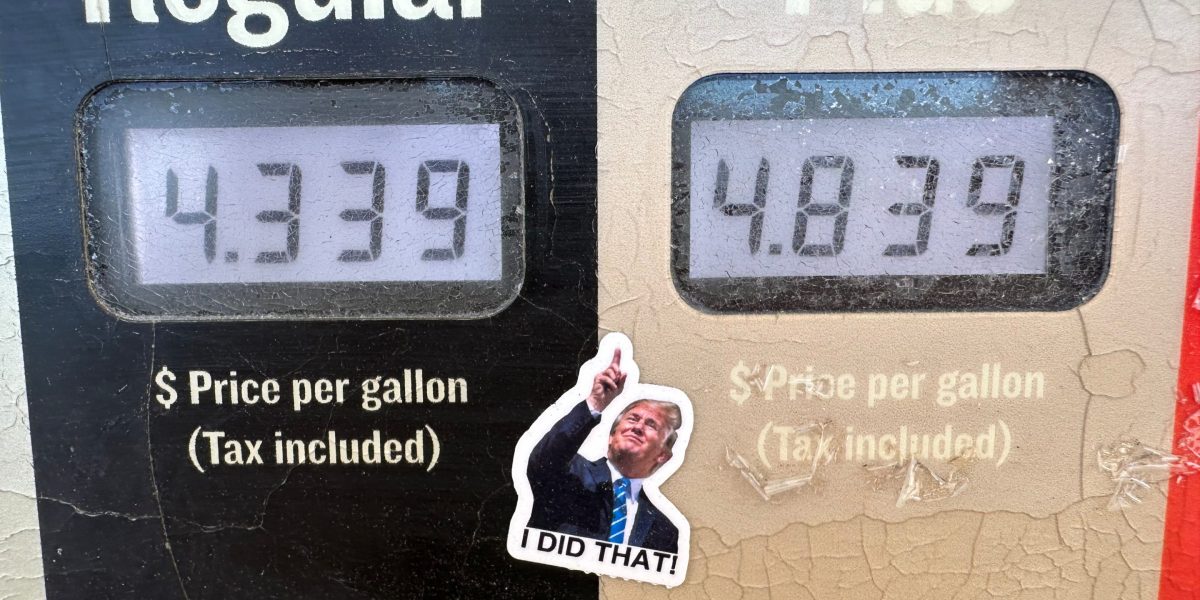
As gas prices flirt with $5 a gallon, Americans are fueling up in smaller doses, slashing spending, and reshaping retail as economic anxiety accelerates.
What to know
- Walmart and Sam’s Club shoppers are now buying under 10 gallons of fuel per visit for the first time since 2022, making more frequent but smaller purchases to stretch budgets.
- Convenience stores have seen nearly a 10% drop in fuel and in-store sales as consumers flock to wholesale clubs like Costco to save on gas and essentials.
- Lower-income shoppers are abandoning brand loyalty and cutting back on extras, while higher earners trade down but keep splurging on affordable luxuries—fueling a sharp K-shaped spending split.
Fuel Anxiety Alters Habits
Shoppers are making smaller, more frequent gas purchases at warehouse clubs to manage budget stress and hedge against unpredictable price spikes, hitting convenience stores hard.
By early 2026, consumers shopping at Walmart and Sam’s Club have notably shifted their fuel purchasing habits, consistently buying less than 10 gallons per trip for the first time since 2022. Walmart CFO John David Rainey describes this trend as 'an indication of stress,' highlighting that shoppers are not necessarily reducing total fuel consumption but are instead making more frequent, smaller purchases to better manage their budgets amid rising gas prices influenced by the Iran war. This pattern reflects a broader strategic behavior where customers are making deliberate trade-offs to stretch their dollars in the face of financial pressures.
Members-only warehouse clubs such as Costco and Sam’s Club have become preferred fuel stops as consumers increasingly 'top up' their tanks more often rather than filling them completely, driven by anxiety over potential future price hikes. Costco CFO Gary Millerchip notes that members are filling up in between what would have been normal refueling intervals, a behavior underscoring the uncertainty and caution permeating consumer spending decisions. This shift toward wholesale clubs has come at the expense of traditional convenience stores, which have suffered nearly a 10% decline in pump transactions and a 10.4% drop in in-store sales during March and April compared to the previous year, according to the National Association of Convenience Stores.


Strategic Shopping Takes Hold
Consumers are consolidating errands, prioritizing essentials, and slashing non-necessities as inflation and high gas prices force a fundamental rethink of everyday spending.
As gasoline prices near $5 per gallon, consumers are strategically consolidating their retail trips to minimize fuel expenses, gravitating towards retailers like Costco, Walmart, and Target that offer a broad assortment of essentials under one roof. This behavior is exemplified by shoppers such as Trevor Chapman, who now plans fuel stops around Costco locations and increases online food shopping to avoid impulse purchases, reflecting a deliberate effort to reduce overall trips and manage tighter budgets amid persistent inflation and economic uncertainty. Walmart CFO John David Rainey highlights this trend, noting that customers and Sam’s Club members are purchasing less than 10 gallons per fueling visit for the first time since 2022, signaling a shift toward more frequent but smaller fuel purchases as part of broader budget-conscious behaviors.
The current economic environment—marked by high inflation, shrinking real wages, and low consumer sentiment—has intensified consumers’ focus on essentials and value-driven purchases while curbing discretionary spending. Retailers like Target, Home Depot, and Lowe’s have publicly warned about this shift, with notable cutbacks in categories such as apparel, footwear, furniture, and fast food, especially among lower-income shoppers. Dollar General CFO Donny Lau and McDonald’s CEO Chris Kempczinski both report that households earning $45,000 or less are scaling back on food and non-essential items, underscoring a tightening of budgets that is reshaping spending patterns across the retail sector.
With no immediate relief in sight for rising fuel and inflationary pressures, Americans are adopting creative budget management strategies that include consolidating errands, avoiding full gas tank fills, and prioritizing essential purchases. Julia Fanzer emphasizes that this prolonged period of elevated prices is likely to cause a significant pullback in overall spending, as two-thirds of consumers report cutting back on purchases and delaying expensive acquisitions. This cautious approach is reflected in declining retail visits and a selective spending mindset, as consumers strive to stretch their dollars amid economic uncertainty fueled by the Iran war’s impact on energy costs.


The Great Retail Divide Widens
Lower-income Americans are ditching brands and cutting essentials, while wealthier shoppers trade down but keep buying affordable luxuries, deepening the K-shaped split in retail.
The K-shaped spending divergence is starkly evident as lower-income shoppers, particularly those earning less than $25,000, exhibit heightened financial stress by abandoning brand loyalty and cutting back on discretionary categories altogether. Research shows 62% of this group have dropped favorite brands due to price increases, often trading down to generics or private labels, with 41% ceasing purchases in some product types. This contrasts with higher-income consumers who, while also price-conscious, maintain spending on select categories, reflecting a bifurcated retail landscape.
Higher-income consumers are demonstrating resilience by selectively trading down rather than cutting spending outright, as evidenced by increased patronage of discount retailers like Dollar General, which now attracts shoppers earning over $100,000 annually. Executives such as Dollar General CFO Donny Lau highlight this shift, noting that while lower-income customers reduce essentials like food, wealthier shoppers adjust habits by planning fuel stops at wholesale clubs and increasing online grocery shopping to avoid impulse buys. This nuanced behavior sustains demand for affordable luxuries, benefiting brands like Abercrombie & Fitch and Victoria's Secret, even as budget-focused retailers like Gap and American Eagle struggle.
Retail leaders and economists alike acknowledge the uneven pressure across income cohorts, with Walmart’s CFO John Rainey cautioning that while there is no immediate cause for panic, the financial strain is palpable among lower-income consumers who are already cutting back on essentials such as fast food and fuel. This dynamic is expected to intensify as temporary buffers like generous income tax refunds expire, potentially widening the spending gap and deepening the K-shaped recovery in U.S. retail.