Healthcare leads as tech rotation deepens
The gist
Global markets are flipping the script, as investor money floods out of tech and AI giants and into defensive sectors like healthcare, utilities, and financials amid mounting geopolitical and inflation worries.
What to know
- By mid-2026, healthcare stocks surged as much as 12% monthly while mega-cap tech and AI stumbled, fueling a broad market rotation into value and defensive names.
- Small- and mid-cap stocks, plus international equities—especially India’s resilient Nifty index—outperformed, signaling a healthier, more diverse bull market.
- Options sentiment turned bearish on tech, and data-driven investors tracked real-time FII/DII flows and niche indices to spot shifting momentum and pockets of resilience.
From Tech Titans to Value Plays
As mega-cap tech stumbled, investors aggressively rotated into undervalued, economically sensitive sectors, signaling a seismic shift in market leadership and sentiment.
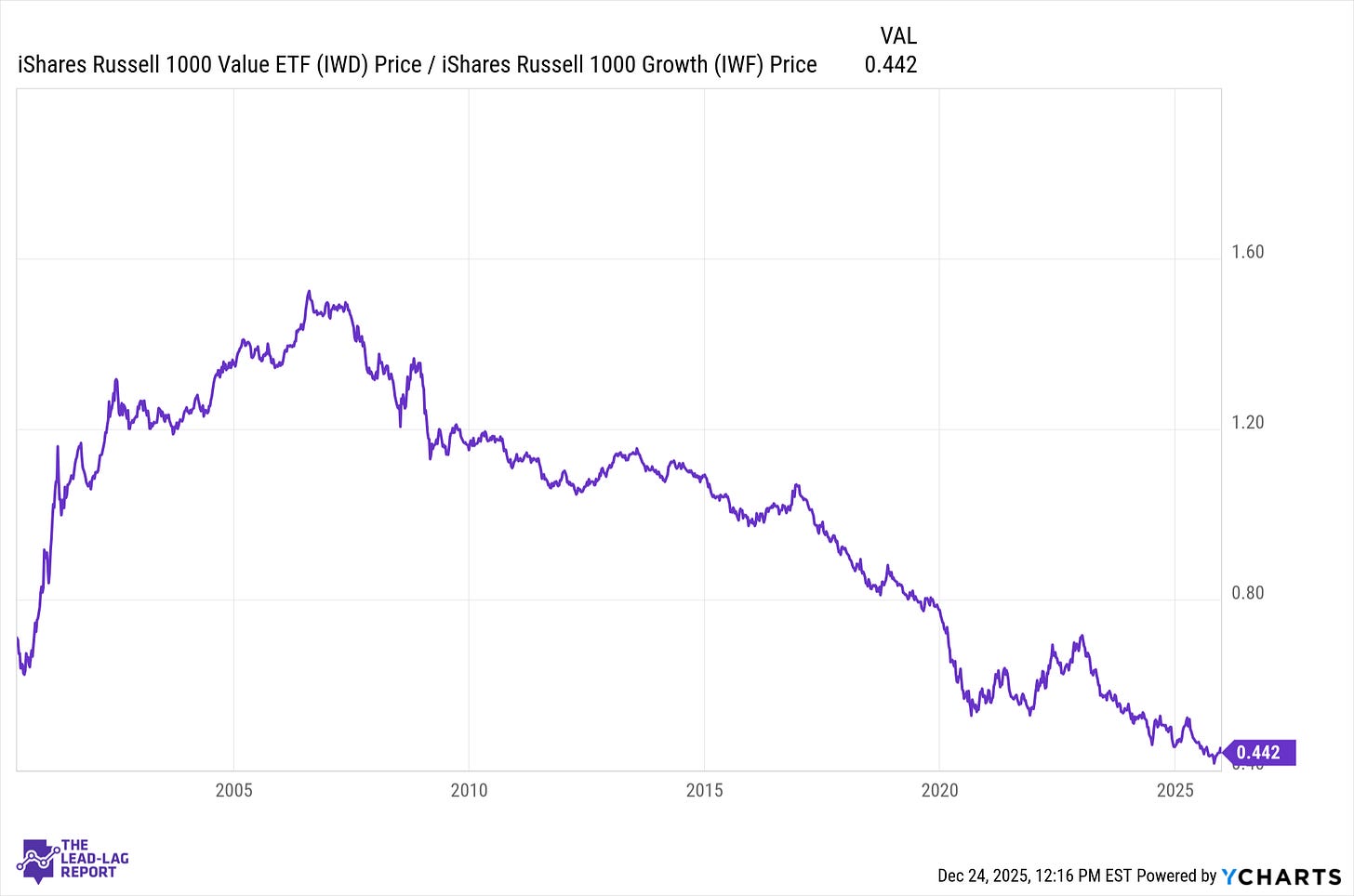
By late 2025, early signs of a market rotation became evident as mega-cap tech stocks, long the darlings of growth investors, began to falter, while value stocks—especially those with lower market caps benefiting from recent rate cuts—started to rebound. This shift was underscored by a more hedged market sentiment, with investors increasingly wary of volatility and macroeconomic headwinds that challenged growth-oriented portfolios, prompting a pullback from the high-quality AI trade and a rotation into undervalued, economically sensitive sectors.
The rotation from growth to value gained momentum through late 2025 into early 2026, as large-cap value stocks bottomed relative to growth, supported by historically rare valuation discounts and easing monetary policy following aggressive tightening cycles. This environment favored economically sensitive sectors such as financials, industrials, and health care, while risk-on sentiment began to express itself beyond technology, with international markets also joining the leadership shift away from the Nasdaq-heavy growth stocks.
The first trading week of 2026 marked a pronounced capital reallocation as investors decisively reduced exposure to 2025’s growth leaders—Technology and Consumer Discretionary—amid renewed concerns over consumer spending and profit-taking. Defensive sectors like Energy and Utilities surged, with Energy (XLE) up 2.88% driven by geopolitical tensions in the Red Sea, OPEC+ production cuts, and a new narrative positioning traditional energy as critical infrastructure supporting the AI boom. Utilities (XLU) also gained 0.86%, benefiting from the 'AI power demand' thesis and serving as a safe haven amid early-year uncertainty.
Throughout mid-2026, the rotation solidified into a broad-based shift away from mega-cap tech stocks, which suffered steep declines and bearish institutional sentiment, toward defensive sectors such as healthcare, utilities, and consumer defensive stocks. Healthcare notably surged 7% in one week and accumulated an 8% gain over a month, while technology and communications sectors were hammered, dropping 8% or more. Institutional investors led this rotation amid rising geopolitical tensions and inflation fears, reallocating capital into safer havens like healthcare, financials, housing, and traditional industrials, signaling a healthy market correction rather than a secular bear market.




Market Breadth Breaks Out
Institutional money flowed into small caps and global equities, with the S&P equal weight index outperforming its cap-weighted counterpart, marking the broadest bull run in years.
By late 2025, the market began to pivot away from the dominance of mega-cap growth stocks, particularly the MAG7 tech giants that had accounted for nearly half of the S&P 500’s returns and 41% of its market cap. This shift was underpinned by historically rare valuation discounts favoring large-cap value stocks and supported by easing monetary policy, which traditionally benefits economically sensitive sectors. As Cam Dawson observed in early 2026, this rotation was marked by a pro-cyclical leadership from banks, industrials, and commodities, reflecting expectations of a global economic reacceleration and signaling a healthier, more balanced market environment.
The broadening market participation extended beyond just a value versus growth narrative, as institutional investors increasingly diversified their portfolios into small and mid-cap stocks as well as international equities. By mid-2026, small caps and mid caps were significantly outperforming large caps, while international markets, buoyed by structural reforms and improving earnings prospects, attracted growing institutional allocations. This multi-year trend away from concentrated U.S. tech exposure toward global and smaller-cap opportunities was further validated by the S&P equal weight index’s 5.5% gain in early 2026 compared to a mere 0.1% rise in the cap-weighted index, underscoring a broadening bull market that favored stock picking across sectors and geographies.
Sectoral leadership in 2026 vividly reflected this rotation, with cyclical and traditionally defensive sectors gaining ground as energy surged over 20%, industrials rose 13%, and utilities and healthcare showed renewed strength. Institutional interest in these sectors, alongside materials and financials, signaled a departure from the tech-heavy risk-on sentiment favored by retail investors, who remained heavily overweight in AI-related stocks. Despite some consolidation in financials and a down day in industrials, the overall sector rotation maintained a bullish or neutral tone, contributing to a more diversified and resilient market environment that contrasts sharply with the prior tech concentration era.
Historically, such broadening of market breadth following periods of extreme concentration has often presaged more stable and sustained market performance. The current environment mirrors the post-dot-com bubble era when the equal weight S&P 500 index outperformed its cap-weighted counterpart for seven consecutive years, returning 65% versus a 9% decline. This precedent suggests that the ongoing shift away from mega-cap tech dominance toward a more diversified market—with increased participation from small caps, international equities, and cyclical sectors—may lay the foundation for a healthier and more enduring bull market in the years ahead.



Defensive Sectors Dominate Flows
Healthcare, utilities, and consumer defensive stocks consistently outperformed as investors shunned tech and AI, seeking shelter from volatility and macro headwinds.
By late 2025, investor sentiment began shifting away from high-quality, growth-oriented stocks—especially in technology and AI sectors—toward value stocks with lower market capitalizations, as short-term rate cuts favored these undemanding multiples. Materials, Financials, and Consumer Defensive sectors gained traction, buoyed by commodity price strength and attractive valuations, while Consumer Discretionary and Technology showed vulnerability, signaling a growing preference for defensive positioning amid worsening macroeconomic signals and increased portfolio hedging to dampen volatility.
The rotation intensified in early 2026, with investors reallocating capital from 2025’s growth leaders like Technology and Consumer Discretionary into defensive sectors such as Energy and Utilities. Energy outperformed with a +2.88% gain, driven by geopolitical tensions in the Red Sea, OPEC+ production cuts, and a novel narrative framing traditional energy firms as critical infrastructure powering AI data centers. Utilities also benefited (+0.86%) from the 'AI power demand' thesis, while Consumer Discretionary and Technology declined due to consumer spending fatigue and profit-taking, reflecting a broader shift toward risk management and bearish setups.
Throughout mid-2026, investor behavior became increasingly selective within sectors, concentrating liquidity on top narratives and leading names rather than broad sector moves, indicative of a low liquidity environment rather than a robust bull market. Defensive sectors like Healthcare, Utilities, and Consumer Defensive consistently outperformed amid macroeconomic uncertainty, while bearish sentiment toward tech intensified, as reflected in plunging QQQ Net Options Sentiment and flat SPY options metrics. This cautious stance was further underscored by sustained flows into small caps, precious metals such as gold and silver, and thematic rotations favoring value stocks over growth.
By mid- to late-2026, ESG considerations emerged as a critical filter in portfolio construction, with Stance Capital’s Bill Davis noting that roughly half of the S&P 500 is eliminated due to material ESG risk factors, emphasizing sustainability as a risk management tool rather than a direct alpha driver. This thematic overlay complements traditional fundamental analysis and portfolio optimization, resulting in concentrated portfolios of 40 to 60 names that align capital with values without sacrificing performance. Concurrently, evolving geopolitical tensions, rising oil prices, and inflation fears prompted investors to overweight defensive sectors like Healthcare, Financials, Utilities, and precious metals, while thematic indices such as those tracked by Tijori gained prominence for identifying pockets of resilience and promoter buying amid market volatility.


India’s Nifty Defies Volatility
India’s Nifty index repeatedly shrugged off global turmoil, powered by broad domestic participation and a surge in AI and data center investments.
Throughout 2026, the Indian equity market, anchored by the Nifty index, showcased remarkable resilience amid global geopolitical and economic headwinds. Despite volatile starts triggered by US-Iran peace hopes and escalating Middle East tensions, the Nifty consistently recovered from significant intraday gaps—such as the 321-point drop on April 15 and the 144-point gap on July 20—to close firmly above 24,200. This robustness was underpinned by broad-based domestic investor confidence, with over 2,800 of 3,361 NSE stocks advancing on key sessions and all 12 sectors closing in green during April, reflecting widespread buying interest from both institutional and retail investors.
Institutional participation played a pivotal role in stabilizing and steering the market through uncertain times, as evidenced by sustained Foreign Institutional Investor (FII) and Domestic Institutional Investor (DII) activity over rolling five-day periods. Tools like Tijori’s niche indices and its idea dashboard have empowered investors to identify pockets of strength beyond traditional sector baskets, particularly in emerging areas such as data centers and AI. This nuanced market engagement highlights a shift towards data-driven investment strategies that capitalize on evolving sectoral dynamics within India’s equity landscape.
The Indian AI and data center sectors have emerged as focal points for both institutional and retail investors, signaling a transformative phase in the market’s sectoral composition. Nvidia-backed neocloud companies are actively leasing data center capacity in India, while private equity firms are increasing bets on AI despite mutual funds’ cautious stance on valuations like Zepto’s. Sify Infinit Spaces, poised to become the first Indian data center provider listed on stock exchanges following SEBI’s approval of a ₹3,700-crore IPO, exemplifies this momentum. This sectoral expansion not only promises to boost domestic manufacturing but also supports India’s sovereign AI ambitions aimed at safeguarding intellectual and cultural sovereignty.
Despite persistent global AI-driven weakness and rising crude oil prices—reaching $88.09 per barrel in August and pressuring India’s trade balance and corporate margins—Indian IT stocks demonstrated modest resilience, edging up 0.3% aided by easing U.S. Federal Reserve rate hike expectations. Foreign institutional investors maintained confidence, adding $1.5 billion in net purchases in August, buoyed by strong Q1 corporate earnings and rupee stability. However, rising crude prices continue to temper overall market sentiment, underscoring the delicate balance between external headwinds and domestic market strength.

Bearish Options Signal Defensive Shift
Options data revealed deepening skepticism toward tech and growth, as profit-taking and technical resistance drove persistent flows into healthcare and value stocks.
By early 2026, investor sentiment began shifting decisively from consumer discretionary toward consumer staples, signaling a defensive rotation as the discretionary-to-staples ratio consolidated in bearish territory. This cautious stance deepened by mid-year, with options market data revealing weak institutional support for technology stocks—QQQ Net Options Sentiment plunged into bear territory and SPY sentiment hovered near neutral—highlighting widespread profit-taking and a guarded approach amid ongoing uncertainty.
Throughout mid to late 2026, the market witnessed a pronounced rotation from growth to value stocks, with small-cap and large-cap value sectors gaining 3.0% each and mid-cap value adding 2.5%, while large-cap growth declined 5.0%. This rotation was underscored by significant profit-taking in technology and energy sectors, which contracted 9.0% and 8.0% respectively, as investors favored defensive sectors like healthcare and financials—healthcare surged 12.0% monthly and maintained momentum with a 5.0% weekly gain, while financials posted an 8.0% monthly return and 4.0% weekly advance—reflecting a strategic pivot toward stability amid persistent market volatility.
Investor caution remained palpable into July 2026, as technical indicators reinforced the defensive posture: the QQQ Net Options Sentiment chart showed a rejection at key resistance levels, discouraging renewed tech exposure until a structural shift above the Bull Line occurs, while the SPY sentiment index lingered near zero for weeks. This persistent hesitancy underscores a broader market environment characterized by steady downward drift and ongoing profit-taking, affirming that maintaining a defensive stance remains the optimal strategy in the face of geopolitical and economic uncertainties.
Data-Driven Rotation Revealed
Sophisticated analytics and real-time investor flow charts exposed the undercurrents of sectoral rotation, with niche indices and technical levels guiding capital allocation.
Throughout mid-2026, detailed visual analytics have become indispensable tools for decoding the complex rotations and sectoral shifts in global and Indian markets. Comprehensive charts titled 'Sectoral Indices Performance', 'Winners & Losers', and 'Commodities' consistently provide a layered understanding of market dynamics, enabling investors to visualize which sectors are gaining momentum or losing steam amid geopolitical and economic uncertainties. These visuals not only highlight broad trends but also pinpoint nuanced shifts, such as resistance and support levels in indices like Nifty, where Open Interest data for contracts expiring in early August revealed critical zones around 24,300-24,400 and 24,100-24,000, respectively, underscoring the growing sophistication in technical market analysis.
Investor flow data, particularly tracking the interplay between Foreign Institutional Investors (FII) and Domestic Institutional Investors (DII), has emerged as a vital real-time barometer of market sentiment and capital movement. Visualizations capturing the last five days of FII-DII activity have been repeatedly emphasized across reports from June through August 2026, illustrating how shifts in these flows often presage broader market rotations. This granular tracking offers investors timely insights into participation trends, revealing, for instance, periods when domestic investors might be counterbalancing foreign outflows or vice versa, thus painting a dynamic picture of evolving market psychology.
Beyond traditional sectoral classifications, niche thematic indices provided by platforms like Tijori have revolutionized how investors dissect market pockets, offering granular insights into promoter buying patterns and corporate capital expenditure activities. The Tijori App’s idea dashboard, frequently cited from June through August 2026, empowers investors to monitor these specialized segments, enabling more nuanced strategy formulation that goes beyond broad sector baskets. This capability to track promoter buying and Capex trends not only enriches understanding of underlying corporate health but also supports anticipation of market rotations driven by fundamental investment flows, reflecting a sophisticated data-driven approach to market evolution.