Hollywood power play: Netflix, paramount, and the $100 billion battle for warner bros. sparks industry uproar
The gist
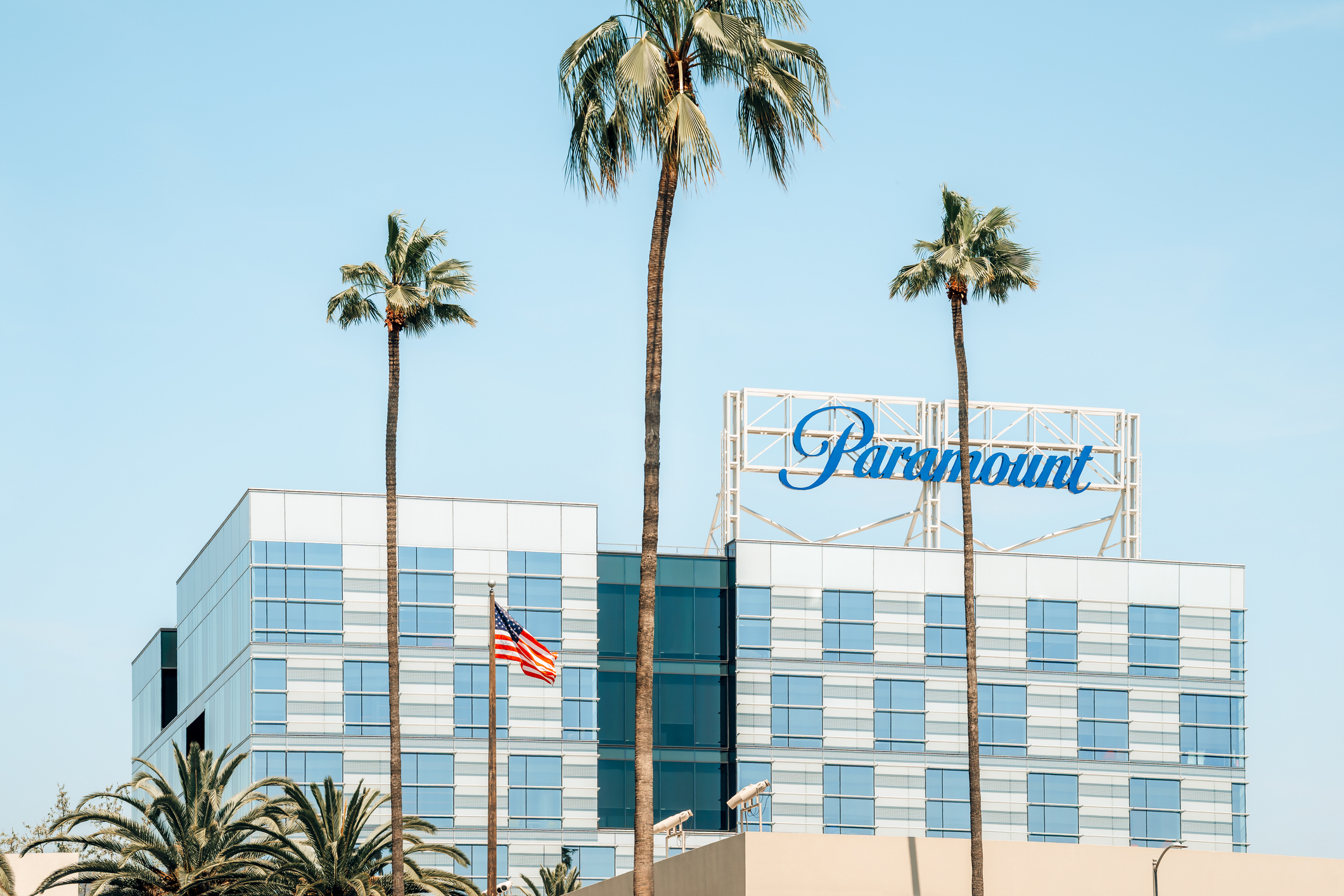
Netflix and Paramount are locked in a $100 billion Hollywood showdown over Warner Bros. Discovery, setting off a fierce industry, political, and regulatory brawl that could reshape the future of streaming and media power.
What to know
- Netflix is favored by Warner Bros.' board for its $82–83 billion bid focused on premium IP like HBO and DC Comics, while Paramount counters with a $108 billion all-cash offer backed by Larry Ellison.
- Regulators, lawmakers, and Hollywood unions are raising antitrust alarms and warning the deal could hand Netflix control of over half the streaming market, spark job losses, and threaten creative diversity.
- The fate of legacy cable networks—especially CNN—has become a major flashpoint, with Netflix pushing to spin them off and Paramount insisting on their strategic value, fueling legal battles and shareholder uncertainty.
Strategic Fault Lines Exposed
Netflix and Paramount's clash reveals a deep divide over the value of cable networks and the high-stakes legal, political, and financial maneuvering shaping the Warner Bros. bidding war.
The battle between Netflix and Paramount for Warner Bros. Discovery has escalated into a high-stakes, multi-billion-dollar bidding war that exposes deep strategic and financial divides. Netflix, led by Ted Sarandos, has consistently focused on acquiring Warner Bros.' premium IP and studio assets—such as DC Comics, HBO, and Harry Potter—while rejecting the cable networks as outdated baggage, instead proposing to spin them off. Paramount, backed by Skydance and the formidable financial firepower of Larry Ellison, countered with increasingly aggressive all-cash offers, including a $108.4 billion bid personally guaranteed by Ellison, and sought to buy the entire company, cable networks and all, to maximize shareholder appeal and industry clout. Despite Paramount's higher headline offer, Warner Bros. Discovery's board repeatedly favored Netflix's bid, citing Netflix's cleaner deal structure, superior credit rating, and fewer anticipated operational disruptions, even as Paramount ratcheted up legal and proxy warfare to force reconsideration.
A central fault line in the bidding war is the contested value and fate of Warner Bros. Discovery's cable networks, particularly CNN, TNT, and TBS. Netflix has made clear it wants no part of these legacy assets, assigning them minimal value and planning to spin them off, while Paramount insists on acquiring the entire company, arguing that the cable networks, though in decline, still hold strategic and financial worth—albeit with wildly varying valuations depending on the acquirer. This divergence has complicated direct price comparisons between the bids and fueled shareholder uncertainty, with some investors and analysts speculating that Warner Bros. Discovery could extract even greater value by selling the cable networks separately or waiting for a higher offer. Meanwhile, political and governance concerns swirl around both suitors: Ellison's bid is shadowed by fears of media consolidation and political influence over news outlets, while Netflix faces skepticism about its commitment to theatrical releases and the risk of antitrust scrutiny.
As the contest intensified through late 2025 and into 2026, both sides engaged in increasingly elaborate financial maneuvers and brinkmanship. Netflix structured its offer with a $5.8 billion breakup fee to assure deal certainty and later pivoted to an all-cash bid to outflank Paramount, despite the risk of saddling itself with significant debt and triggering a stock price drop. Paramount, after initial doubts about its funding, secured a $40.4 billion personal guarantee from Larry Ellison and matched Netflix's breakup fee, but stopped short of raising its per-share offer, instead escalating legal challenges and launching 'Plan D' to sway shareholders and the board. With Warner Bros. Discovery's board in 'Revlon mode'—legally bound to maximize shareholder value—the outcome hinges on whether Paramount will sweeten its bid further or Netflix's operational assurances and cleaner financing will prevail, all under the watchful eyes of institutional investors and regulators poised to scrutinize whichever deal emerges victorious.





Regulators Enter the Fray
Political pressure, antitrust scrutiny, and legal battles are turning the Warner Bros. sale into a test case for the future of media consolidation and the definition of the streaming market.
The regulatory and legal battle over the fate of Warner Bros. Discovery has reached a fever pitch, with both Netflix and Paramount's bids mired in antitrust scrutiny, political intrigue, and escalating court challenges. Netflix's proposed $82.7 billion acquisition faces fierce opposition from lawmakers like Senator Elizabeth Warren and Senator Chris Murphy, who warn it could give Netflix control of over half the streaming market, drive up consumer prices, and threaten labor conditions. Meanwhile, the Department of Justice is expected to conduct a protracted review, and President Trump has signaled personal involvement, raising concerns about political favoritism—especially given the Ellison family's ties to him and their rival $108.4 billion Paramount bid. As Paramount escalates its legal offensive, filing suit in Delaware Chancery Court and launching a proxy fight to force greater transparency from Warner Bros. Discovery, the regulatory process is further complicated by debates over how broadly to define the streaming market and whether platforms like YouTube and TikTok count as true competitors.
A central flashpoint in the regulatory debate is the fate of cable networks, especially CNN, which has become a political lightning rod amid speculation about editorial influence and national security concerns. While Netflix is rumored to consider spinning off most cable assets to sidestep regulatory obstacles, the prospect of retaining CNN for its global reach is fraught with reputational and political risk—particularly as President Trump publicly advocates for its sale and hints at reshaping its editorial stance. Paramount, for its part, faces its own scrutiny over potential consolidation of mainstream media under a politically connected ownership, with lawmakers and analysts warning that either merger could erode democratic norms and media independence.
The legal landscape is further complicated by shareholder dynamics and financial engineering, as Warner Bros. Discovery's board faces accusations of opacity and undervaluing cable assets in favor of Netflix's offer. Paramount, backed by Larry Ellison's $40.4 billion personal guarantee, is leveraging lawsuits, proxy fights, and demands for governance changes to force a more transparent and competitive bidding process. As the regulatory gauntlet stretches on—with analysts projecting an 18–24 month closing window and steep breakup fees looming—the outcome hinges not only on antitrust law and political maneuvering, but also on which bidder can best navigate the labyrinth of legal, financial, and stakeholder pressures.

Hollywood Unions Fight Back
Creative labor groups warn that Netflix’s takeover could shrink job opportunities and threaten content diversity, but current antitrust laws leave their concerns largely powerless.
Hollywood unions, including the Writers Guild of America, SAG-AFTRA, and the Teamsters, have mounted a vocal opposition to Netflix’s $82.7 billion bid for Warner Bros., warning of job losses and diminished opportunities for creative professionals. Their concerns center on the potential for reduced content diversity and fewer roles for writers, actors, and crew—a fear underscored by the Teamsters' aggressive stance and the more measured but still wary statements from the Directors Guild and Screen Actors Guild. This groundswell of anxiety reflects a deep-seated worry that consolidation will shrink the creative ecosystem and threaten the livelihoods of thousands across the industry.
Industry insiders and creative professionals argue that a robust, competitive marketplace—with more studios and streaming outlets—offers the best prospects for diverse storytelling and employment. They contend that money spent on mergers, like Netflix’s acquisition of Warner Bros., would be better invested in developing new content, thereby expanding opportunities for writers, directors, and producers. However, this perspective clashes with the prevailing antitrust legal doctrine, which prioritizes consumer welfare over the interests of creative labor, leaving union objections with little formal influence in regulatory reviews.
The debate over whether antitrust law should protect creative jobs—even at the cost of higher consumer prices—remains largely academic in the current political climate. Post-Covid and post-inflation anxieties have made it politically untenable to advocate for policies that might raise costs for consumers, despite compelling arguments that labor interests deserve greater consideration. As a result, Hollywood’s creative workforce finds itself caught between economic realities and legal frameworks that rarely prioritize their job security.
By late December 2025, the immediate anxieties of Hollywood’s workforce were focused squarely on Netflix, which is seen as a disruptive outsider responsible for shrinking local job opportunities and upending traditional studio models. While some unease exists about Middle Eastern-backed bids—particularly regarding shifting financing terms and potential regulatory scrutiny—these concerns feel abstract compared to the tangible impact Netflix has had on day-to-day employment. As one insider put it, 'If you're a grip, you know there's less work being done in town,' a sentiment that underscores why Netflix, rather than foreign investors, has become the lightning rod for industry frustration.


Shareholder Showdown Intensifies
Disputes over cable asset valuations, deal certainty, and financing reliability are pitting investors and board members against each other as they weigh Netflix’s cleaner offer against Paramount’s bigger but riskier bid.
The battle for Warner Bros. Discovery has become a high-stakes tug-of-war between deal certainty and valuation, with shareholders and financial backers scrutinizing every detail. Netflix’s $83 billion bid initially divided analysts and investors, with some bullish on the strategic advantages of locking up HBO and Warner Bros. IP and others wary of the eye-watering $80–90 billion pro forma debt and regulatory hurdles. Paramount, meanwhile, attempted to outflank Netflix with a $108 billion all-cash offer, bolstered by Larry Ellison’s $40.4 billion personal guarantee, but skepticism lingered over the reliability of funding—especially given Ellison’s wealth being largely tied up in Oracle stock and his reliance on debt financing. Despite the higher headline value, Warner Bros. Discovery’s board ultimately favored Netflix’s offer, citing its cleaner balance sheet, more secure financing, and fewer operational constraints during regulatory review, while also weighing the risks of Paramount’s leveraged buyout structure and the uncertainty of Ellison’s ability to quickly liquidate assets if needed.
A central flashpoint in the shareholder debate is the valuation of Warner Bros. Discovery’s cable networks, including legacy brands like CNN and CBS. Paramount’s bid values these cable assets at about $1 per share, while other stakeholders argue they’re worth $3–4 per share, and Netflix’s approach is to spin them off entirely, effectively assigning them a $0 value in its offer. This divergence has fueled legal and proxy battles, with Paramount suing for more transparency in the deal process and seeking to influence Warner Bros. Discovery’s board and bylaws to ensure shareholders have a say in any spinoff of cable channels. The dispute underscores how asset valuation, especially of aging but still influential media brands, remains a sticking point that could tip the scales in this mega-merger standoff.
While both Netflix and Paramount face formidable regulatory scrutiny—given the scale of consolidation and overlapping streaming and production assets—shareholders and institutional investors are weighing the risks differently. Netflix’s offer, though lower in headline value, is seen as more executable, with a 'bird in the hand' appeal, especially after Netflix threatened to walk away if not accepted. Paramount’s bid, despite Ellison’s financial muscle, is hampered by concerns over its highly leveraged structure, restrictive operational covenants, and the potential for drawn-out antitrust reviews in the U.S. and Europe. As Warner Bros. Discovery enters 'Revlon mode,' legally obligated to sell to the highest bidder, the board must balance these regulatory and financial uncertainties, with many investors hoping for a bidding war that might yet draw in new suitors like Apple or sovereign wealth funds.

The IP Gold Rush
Hollywood’s future is being shaped by a race for premium intellectual property, with traditional cable assets sidelined and global news brands like CNN caught in the crossfire of political and editorial stakes.
The relentless wave of media consolidation is fundamentally reshaping Hollywood, with strategic acquisitions now laser-focused on intellectual property rather than legacy cable infrastructure. Netflix, for example, is uninterested in traditional cable assets like Discovery or HGTV, but is aggressively pursuing IP-rich franchises such as DC Comics, HBO shows, and Harry Potter, signaling a decisive shift in content creation and distribution priorities. This IP-centric strategy not only redefines what assets are considered valuable but also raises questions about the future of content diversity and the fate of global news networks like CNN, whose political and editorial complexities make them both a strategic prize and a potential liability for streaming giants seeking international expansion.
As tech titans like Netflix, Apple, and Amazon vie for premium content libraries, the balance of power in media is shifting away from legacy conglomerates toward digital-first platforms, intensifying the streaming power struggle. Apple’s pursuit of HBO for its 'prestige' content and Netflix’s willingness to outbid rivals for Warner Bros. IP exemplify this trend, while the potential acquisition of CNN by Netflix underscores the intricate interplay between global reach, political considerations, and editorial independence. However, this consolidation is not without its perils: it risks reducing consumer choice, sidelining smaller creators, and concentrating influence over public discourse in the hands of a few dominant players.
The societal implications of this consolidation extend beyond content access, as rising subscription prices and diminished competition threaten affordability and consumer welfare. With the average subscription price for the top 10 US platforms rising 12% in a single year—far outpacing inflation—critics like Senator Chris Murphy warn that deals such as a Netflix-HBO Max merger are 'classic antitrust violations' that transfer wealth from consumers and labor to shareholders. Regulatory scrutiny is further complicated by political and economic interests, with post-merger reviews often undermined by lobbying and narrow market definitions that obscure the true impact on competition, labor conditions, and editorial independence.
Beneath the surface, the consolidation battle is also a high-stakes data play, as companies like Oracle—backed by Larry Ellison—eye the vast content libraries of Warner Bros. and Paramount not just for streaming, but as training fuel for AI models. This convergence of media and tech raises urgent questions about data governance, privacy, and the potential for a handful of conglomerates to control both the stories we consume and the algorithms that shape our digital lives. As one analyst put it, 'This is now the reshaping of American media... this is a data play,' underscoring the need for robust guardrails and governance in an era where content and data are increasingly inseparable.
Ultimately, the current wave of media mergers is as much about political power and narrative control as it is about financial returns, with figures like Larry Ellison and Donald Trump leveraging legacy cable assets—especially CNN—to influence public discourse. The fierce bidding for Warner Bros. and its cable properties reveals that, in today’s Hollywood, money, power, and politics are inextricably linked, often at the expense of journalistic integrity and democratic norms. As the industry lurches toward greater consolidation, the stakes for society—ranging from the diversity of voices to the independence of newsrooms—have never been higher.