Hormuz crisis ripples: oil shock, supply chaos, and a global energy rethink
The gist
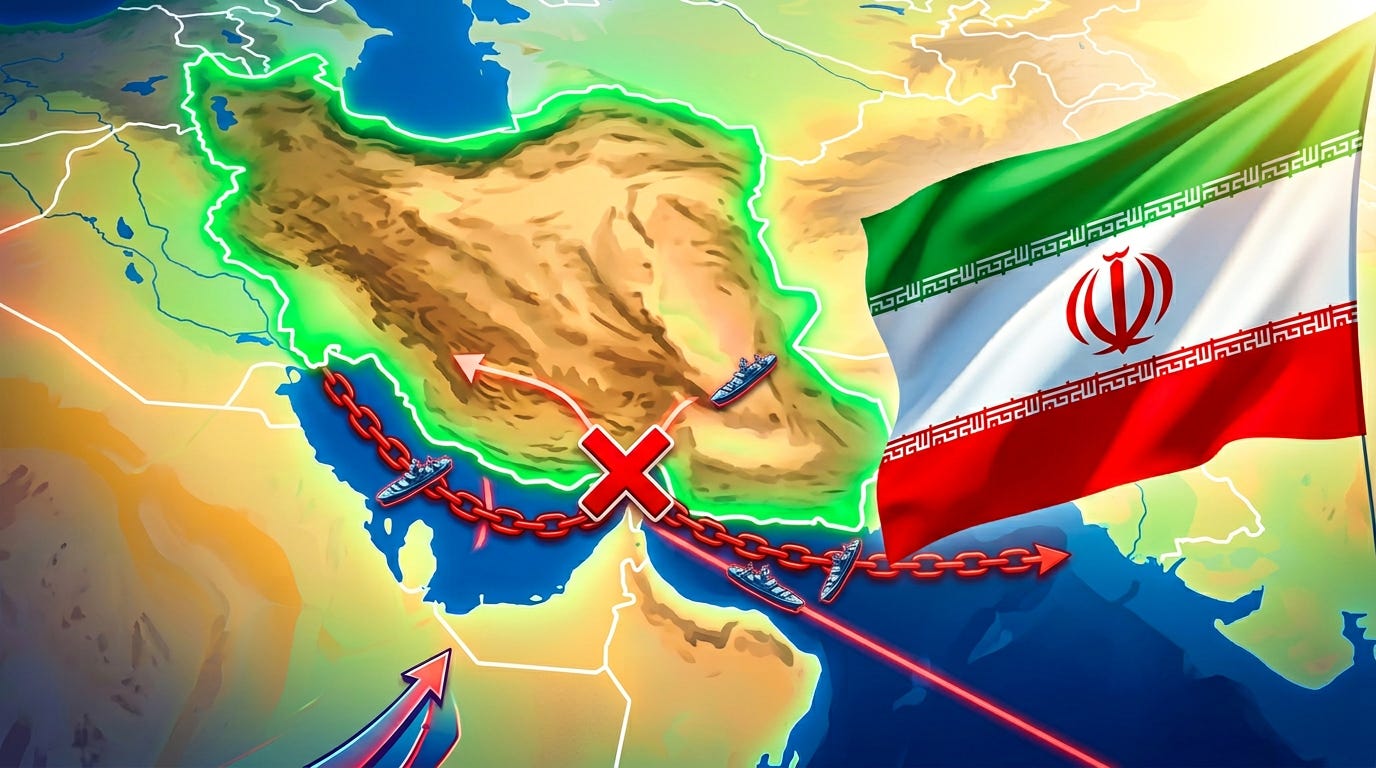
The 2026 shutdown of the Strait of Hormuz by Iran has unleashed a global energy shockwave, upending markets, supply chains, and the world’s energy playbook overnight.
What to know
- Iran’s closure of the Strait of Hormuz choked off more than 90% of tanker traffic, disrupting 20% of global oil and LNG shipments and sending oil prices soaring past $130 per barrel.
- The crisis triggered cascading supply chain chaos—fertilizer prices spiked 77% in the U.S., semiconductor helium supplies vanished, and costs jumped across metals and agriculture.
- Geopolitical power plays intensified as China secured energy access (often in yuan), Gulf states scrambled for alternatives, and Europe raced to diversify routes—while financial markets reeled from historic volatility and war-risk premiums.
Chokepoint Chaos Unleashed
Iran’s closure of the Strait of Hormuz stranded over 150 ships, triggered record war-risk premiums, and exposed the global oil market’s acute vulnerability to geopolitical brinkmanship and insurance paralysis.
The outbreak of the U.S.-Israel war with Iran in late February 2026 triggered an immediate and unprecedented energy shock, primarily marked by Iran’s effective closure of the Strait of Hormuz—a critical chokepoint handling about 20% of global oil and LNG shipments. This closure, enforced through IRGC naval assets, mines, drones, and missile threats, caused tanker traffic to collapse by over 90%, with more than 150 ships stranded outside the strait, and insurance companies sharply raising premiums or refusing coverage altogether. The rapid market repricing was driven less by actual strikes and more by heightened risk perception, as symbolized by the deployment of the USS Abraham Lincoln Carrier Strike Group and the operational signaling of readiness for kinetic engagement, which sent war-risk premiums and freight spreads soaring almost immediately.
This sudden chokepoint shutdown triggered a historic oil supply disruption, with global crude output falling by over 10 million barrels per day in March 2026—more than double the impact of the 1970s oil shock and surpassing the Ukraine conflict’s supply effects. Key producers like Iraq began shutting down fields due to storage constraints, while Qatar curtailed gas production, exacerbating energy shortages worldwide. Despite emergency releases of 572 million barrels from U.S. and IEA strategic reserves, these measures only covered a few days of global consumption, leaving markets highly volatile and oil prices surging from around $70 pre-conflict to intraday peaks above $120 within weeks. This supply shock was compounded by electronic warfare tactics such as GPS jamming, further disrupting tanker navigation through the already perilous strait.
The conflict’s early phase was characterized by intense geopolitical signaling and compressed decision timelines, with the U.S. administration imposing a strict two-week window to gauge Iran’s response, heightening market volatility and risk premiums. Military symbolism—including the presence of the USS Iwo Jima and references to Operation Midnight Hammer—signaled a shift from deterrence to active measures, escalating war-risk premiums and insurance costs. Meanwhile, China’s strategic petroleum reserves and ability to source black market crude provided some insulation, whereas India faced earlier and more acute supply risks due to lower reserves. The insurance market’s freeze on tanker coverage effectively sealed off the strait, forcing discussions on naval escorts and insurance guarantees to maintain critical shipping flows.
The immediate market reaction was one of extreme volatility and risk aversion, with oil futures surging by over 60% within ten days and equity markets plunging—South Korea’s Kospi fell 7%, Nasdaq futures dropped 2%, and the S&P 500 breached its 200-day moving average for the first time since May 2025. Emergency responses included the largest coordinated strategic oil reserve releases in history and the deployment of over 3,500 U.S. troops to the Middle East, alongside increased U.S. domestic oil production to temper price spikes. Despite these measures, the conflict rapidly escalated militarily and geographically, drawing in over 15 nations and Iran-backed proxies, signaling a prolonged energy crisis with sustained market uncertainty.






Supply Chains in Freefall
The shipping freeze at Hormuz ignited a domino effect across global supply chains, sending fertilizer, helium, and metals prices soaring as critical cargoes were stranded and alternative routes fell dangerously short.
By early March 2026, the Strait of Hormuz, a critical chokepoint handling roughly 20% of the world’s oil and LNG, was effectively closed to large tankers due to escalating Iranian attacks and the resulting insurance paralysis. Major shipping companies including CMA CGM, Maersk, and MSC suspended Gulf bookings as war risk insurance premiums surged up to 30 times their normal rates, rendering transit economically unviable and stranding around 200 tankers in the Gulf. This blockade not only disrupted oil flows—threatening up to 10% of global consumption—but also halted QatarEnergy’s LNG production, triggering a 50% spike in European natural gas prices and a 10.4% rise in Brent crude, underscoring the immediate inflationary pressures rippling through global energy markets.
While alternative export routes like Saudi Arabia’s East-West Pipeline and the UAE’s pipelines to Fujairah provide some relief by bypassing the Strait of Hormuz, their combined capacity—approximately 7.4 million barrels per day—covers only about half of the usual 20 million barrels transiting the strait. Moreover, key regional producers such as Kuwait and Qatar lack such alternatives, exacerbating vulnerabilities. Iraq’s Kirkuk-Ceyhan pipeline remains closed due to political disputes, further limiting rerouting options. Consequently, despite these partial mitigations, global oil export capacity remains severely constrained, forcing countries like Pakistan to reroute supplies through the Red Sea and prompting emergency strategic reserve releases in Japan and China.
The supply chain disruptions have cascaded far beyond oil and LNG, severely impacting fertilizers, metals, and critical raw materials essential for high-tech manufacturing and agriculture. Fertilizer exports, particularly urea and ammonia, have been stranded, causing U.S. fertilizer prices to surge 77% since December 2025 and raising alarms about global food security due to the absence of strategic fertilizer reserves. Qatar’s suspension of helium production—a key input for semiconductor fabrication—has forced companies like South Korea’s SK Hynix to scramble for alternatives, while aluminum prices have spiked amid export halts from Gulf producers. These multifaceted disruptions highlight the fragility of interconnected global supply chains, where maritime bottlenecks and insurance withdrawals ripple through industries from agriculture to technology.
The prolonged closure of the Strait of Hormuz and associated regional hostilities have triggered historic energy supply shocks, with about 16% of global oil supply and 20% of LNG flows disrupted—surpassing crises like the 1970s oil shock and the 2022 Nord Stream incident. This has driven Brent crude prices above $130 per barrel by April 2026, more than 55% above pre-conflict levels, intensifying global inflation and recession risks. The blockade has trapped roughly 1,500 commercial vessels and 22,000 seafarers, while shipping reroutes around Africa add 10 to 14 days and millions of dollars in costs per voyage. Despite these strains, the U.S. has leveraged its net exporter status and eased sanctions on Iran and Venezuela to partially alleviate shortages, though the broader economic fallout continues to pressure global markets and supply chains.





Geopolitics Redrawn at Sea
Iran’s weaponization of the Strait—and China’s quiet energy deals in yuan—have fractured the old petrodollar order, forcing Gulf states and global powers to navigate a new era of asymmetric energy warfare and shifting alliances.
By early 2026, Iran had effectively weaponized the Strait of Hormuz, using low-cost drone attacks to disrupt roughly 20 million barrels per day of oil transit—about 20-25% of the world’s seaborne crude—and LNG shipments, notably forcing QatarEnergy to halt production and triggering a 50% spike in European natural gas prices. Tehran’s refusal to negotiate, coupled with a cost asymmetry where $1 spent on drones counters $20–28 in Gulf interception efforts, has prolonged the blockade, grounding over 150 tankers and severely straining global energy and trade flows. This strategic leverage has transformed the strait from a commercial passage into a geopolitical chokepoint, with Iran selectively allowing passage to aligned states, including China, which reportedly pays in yuan, challenging the petrodollar system.
Gulf states like Saudi Arabia and Qatar have responded cautiously to Iran’s aggression, enhancing defensive measures such as missile interceptions and attempting to reroute exports via alternatives like the East-West Pipeline, which is already operating at maximum capacity but can only cover about 13% of the Strait’s throughput. Despite U.S. military support, regional actors remain wary of direct confrontation, balancing pressure from Washington with fears of provoking further Iranian retaliation, especially given Iran’s extensive drone stockpiles and missile capabilities supplied through Chinese ports. This delicate stance is compounded by the U.S. administration’s inconsistent policy signals, alternating between military pressure and economic concessions, while Gulf states push for durable resolutions to prevent Iran from gaining de facto control over maritime traffic.
Russia and China have leveraged the conflict to advance their strategic interests: Russia, through its 2025 Comprehensive Strategic Partnership with Iran, has increased oil exports to China at premium prices while hardening its stance on Ukraine, using the U.S.-Iran conflict to consolidate non-Western alliances. Meanwhile, China’s decades-long investments in diversified energy infrastructure, strategic reserves, and overseas logistics have insulated it from supply shocks, allowing uninterrupted Strait of Hormuz access and payments in yuan, signaling a challenge to U.S. energy hegemony. Beijing also studies the conflict for military lessons to counter U.S. power, while promoting energy security through coal, renewables, and pipeline imports, underscoring a broader geopolitical realignment away from Western dominance.
Amid escalating tensions and prolonged disruption, Europe is aggressively pursuing alternative trade and energy routes to reduce dependence on the Strait of Hormuz, exemplified by the India-Middle-East-Europe Economic Corridor (IMEC), which aims to enhance transport, energy, and digital connectivity. However, the project’s success hinges on geopolitical breakthroughs such as normalization between Israel and Saudi Arabia, which remains stalled. Meanwhile, the EU has already incurred a staggering €25 billion in additional energy import costs within the first two months of the conflict, prompting G7 discussions on strategic reserve releases and new supply sources, particularly from Africa. This shift reflects a broader urgency among Western powers to diversify energy security and adapt to a fractured global energy landscape reshaped by Iran’s strategic use of the chokepoint.


Energy Order Upended
The crisis accelerated a global pivot toward renewables and electrification, exposing the fragility of fossil fuel dependence and pushing nations to rethink strategic investments as reserves depleted at an alarming pace.
By early 2026, the global energy landscape was already showing signs of structural adjustment, with countries like China benefiting from decades of strategic investment in diversified energy sources—coal (55%), renewables (13%), nuclear (3-4%), and domestic gas production supplemented by new pipelines from Russia—providing resilience against oil and gas shocks. Meanwhile, the U.S. LNG export capacity had reached near saturation, limiting its ability to influence global gas prices despite stable domestic Henry Hub prices, as financing new liquefaction projects became increasingly challenging due to a shrinking pool of long-term contract counterparties and the multi-billion-dollar capital intensity of such infrastructure.
The 2026 Iran war and the closure of the Strait of Hormuz catalyzed a rapid acceleration in global energy market realignments, triggering a decade-advanced push toward electrification and renewables as fears over hydrocarbon dependency intensified. This geopolitical shock not only disrupted oil shipments but also severed the petrodollar recycling mechanism that had underpinned U.S. deficits for fifty years, while damaging Gulf infrastructure and stalling major projects in Saudi Arabia, Qatar, and the UAE. These developments compelled Gulf states and others to reassess risk and investment strategies, with China’s longstanding renewable dominance and infrastructure diversification—such as strategic reserves and overseas logistics hubs—offering a blueprint for resilience amid uncertainty.
As the Strait of Hormuz remained closed or operated at limited capacity through mid-2026, the global oil market faced an unprecedented supply deficit of roughly 10 million barrels per day, forcing emergency measures including a coordinated release of 400 million barrels from Strategic Petroleum Reserves, with the U.S. contributing 172 million barrels. Despite these efforts, stockpiles in the U.S. and Europe were rapidly depleting—U.S. commercial crude stocks provided a buffer of 35-40 weeks under ideal conditions, while Europe’s smaller inventory and lack of domestic production made it more vulnerable. Analysts warned that without resolution or demand destruction triggered by price spikes near $150 per barrel, the world risked a structural shortage and severe energy market crisis within weeks.
In response to these mounting pressures, major economies pursued strategic infrastructure and trade route diversification to enhance energy security. The European Union, burdened by a $29 billion cost from increased oil and gas import prices in just 54 days post-Iran war, championed the India-Middle East-Europe Economic Corridor (IMEC) as a resilient alternative to vulnerable maritime chokepoints like the Strait of Hormuz. However, as Scott Wilcox cautioned, IMEC remains years from operational readiness due to the complexity of building pipelines, transmission cables, and coordinating cross-border logistics amid political hurdles such as Israel-Saudi normalization. Concurrently, Asian countries, led by India’s dual expansion in renewables and refining, and supported by resilient corporate strategies highlighted by Bank of America’s Bernard Mensah, are recalibrating long-term energy investments to balance import dependence with domestic capacity, signaling a broad, gradual realignment of global energy infrastructure and trade.






Markets Rattle Amid Uncertainty
Historic oil supply shocks and insurance freezes sent energy and equity markets into turmoil, with volatility and risk premiums surging as investors scrambled to price in the risk of prolonged disruption and systemic financial stress.
Financial markets reacted immediately to the escalating geopolitical tensions surrounding the Strait of Hormuz, with investor risk premiums and volatility surging as the probability of supply disruptions became operationally evident. Early February 2026 saw war-risk premia spike across marine insurance, freight spreads, and energy equities, driven by symbolic military deployments like the USS Abraham Lincoln Carrier Strike Group that compressed market time horizons and heightened the cost of mispricing risk. The U.S. administration’s strict two-week decision window for Iranian response further amplified market jitters, as any miscalculation could rapidly escalate military conflict, intensifying inflationary pressures through soaring energy prices.
By March 2026, the prolonged closure of the Strait of Hormuz had precipitated a historic tightening of global oil supply, with over 15 million barrels per day effectively blocked and tanker traffic reduced by up to 98%. This disruption not only propelled Brent crude prices above $100 per barrel—triggering the largest weekly futures gains since 1983—but also strained Gulf producers’ ability to recycle petrodollars into U.S. financial markets, threatening liquidity in Treasury and equity markets. Alternative export routes like Saudi Arabia’s East-West pipeline offered limited relief, handling less than half the usual Hormuz volume, while the risk of permanent production damage from well shutdowns added to investor uncertainty and elevated risk premiums.
The March 8 escalation, marked by U.S.-Israel strikes on Iran, intensified market volatility with global equities dropping 1-2% and oil prices spiking 5-10%, reflecting fears of a protracted conflict. Despite severe Iranian leadership losses, the regime’s resilience undermined expectations of a swift resolution, prolonging economic instability and sustaining elevated risk premiums. Markets underestimated the crisis duration, embedding a two-to-four-week normalization timeline that clashed with expanding military objectives and complex insurance market dynamics, which delayed shipping route normalization and maintained high premiums. This structural commercial closure of the Strait is expected to drive Brent crude volatility up by 25-40% over 12 to 18 months, prompting sophisticated hedging strategies involving Brent options and energy credit positions.
Throughout March to June 2026, sustained geopolitical tensions kept financial markets on edge, with oil prices fluctuating between $90 and $120 per barrel amid supply disruptions and military escalations. Investor risk premiums remained elevated as the closure of the Strait of Hormuz disrupted the longstanding petrodollar recycling mechanism, undermining U.S. deficit financing and fueling inflationary pressures that prevented Federal Reserve rate cuts. Sectoral impacts diverged sharply: energy and defense sectors benefited from higher prices, while airlines, chemicals, and consumer discretionary faced margin squeezes and reduced spending. Despite intermittent market recoveries and central bank interventions, uncertainty about conflict duration and U.S. policy incoherence—such as OFAC waivers enabling Iranian oil sales—sustained volatility, with major investment firms like BlackRock shifting to neutral equity positions amid record valuation multiples and rising credit risks.


Energy Security Rethought
The Hormuz crisis is forcing a global reckoning with the risks of energy interdependence, as nations and investors confront the challenge of building resilience beyond short-term fixes and toward lasting strategic shifts.
The Iran war’s early phase mirrored the initial pandemic stage, with global attention fixated on immediate disruptions but insufficient focus on cascading economic and geopolitical consequences. As analysts noted in March 2026, the conflict would extend beyond oil to disrupt fertilizer, food production, plastics, and automotive parts supply chains, with price shocks emerging over months and persisting long-term. Moreover, this crisis is reshaping geopolitical alliances, notably America's Gulf relations and Israel's global stance, while accelerating the evolution of asymmetric warfare through drone technology.
By mid-2026, the prolonged closure of the Strait of Hormuz—through which roughly 20% of the world’s oil and natural gas flows—posed a critical threat to global energy security, triggering immediate price spikes and forcing nations to reconsider supply chain resilience and energy independence. Iran’s imposition of a $2 million toll on “friendly” ships, payable in Chinese yuan or crypto, exemplifies the geopolitical leverage over vital shipping lanes, compelling shifts in currency reserves and trade balances. This evolving landscape challenges traditional portfolio strategies, prompting investors to seek assets that can outperform across divergent hydrocarbon price scenarios amid geopolitical uncertainty.
The 2026 Iran oil shock is catalyzing a fundamental reassessment of global energy security paradigms, emphasizing the risks of interconnected energy systems and the allure—and dangers—of energy autarky. Experts like Jason Bordoff highlight that the most durable energy resilience stems from reducing oil’s share in national economies rather than reactive crisis measures, though political urgency to implement such strategies often wanes once immediate shocks subside. This shift underscores the need for long-term strategic planning that balances diversification with realistic geopolitical risk assessments.
Looking ahead, the conflict’s trajectory presents multiple scenarios—from a gradual reopening of the Strait hampered by infrastructure damage, to prolonged hostilities fueled by entrenched regional actors, to a potential U.S. energy export ban driven by domestic political calculations ahead of midterms. As Daniel Yergin questions whether current energy systems possess sufficient buffers to prevent a geopolitical shock from escalating into a full economic crisis, the interplay of AI-driven economic disruptions further complicates recovery and strategic foresight. These dynamics collectively demand adaptive policies that integrate geopolitical realities, technological change, and market resilience.