Hormuz tanker chaos sends costs soaring
The gist
Iranian-U.S. clashes in the Strait of Hormuz have unleashed a global shipping crisis, spiking oil prices, insurance costs, and upending trade routes overnight.
What to know
- Tanker traffic through Hormuz crashed from 130 to just 3 vessels in 12 hours after Iran’s warning shots and a U.S. cargo ship seizure, pushing war risk insurance from 2% to 3% of ship value and oil prices up 5%.
- Red Sea attacks and Gulf of Aden turmoil have driven insurance premiums as high as 10% and kept freight rates at record highs, while a shadow fleet now holds 22% of global tanker capacity.
- Countries are scrambling to reroute oil with major pipeline projects, as analysts warn a prolonged Hormuz closure could send Brent to $200/barrel and slash U.S. GDP growth below 1%.
Shockwaves Ripple from Hormuz
Iran’s actions at Hormuz triggered a cascade of market panic, insurance hikes, and a 5% oil price jump, exposing the fragility of global energy flows when a single chokepoint is threatened.
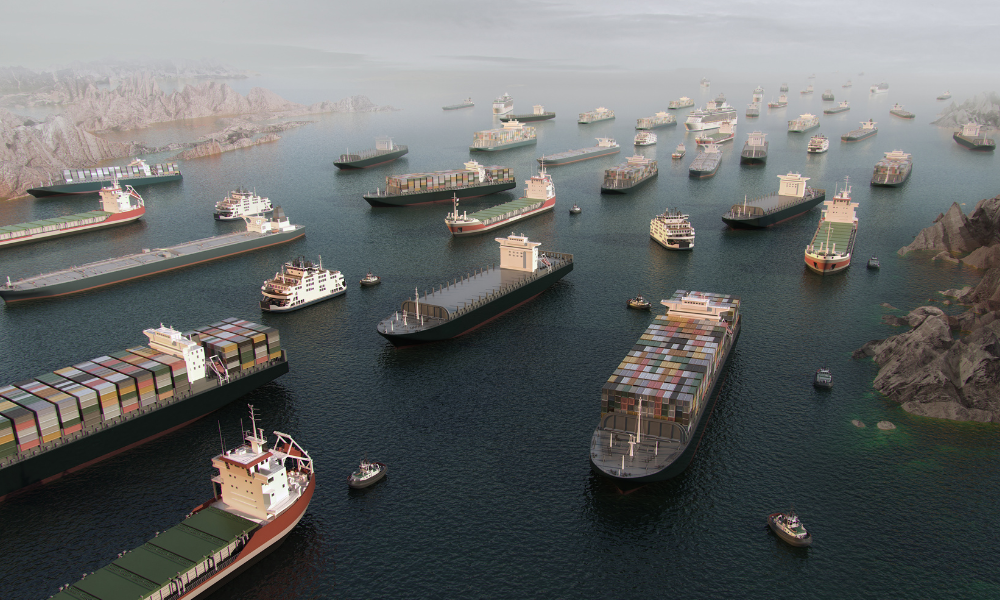
By April 2026, the Strait of Hormuz became a flashpoint in escalating geopolitical tensions when Iran fired warning shots and the U.S. seized an Iranian cargo ship, causing ship traffic to plummet from the usual 130 vessels in 12 hours to just three. This dramatic disruption not only heightened fears of prolonged supply interruptions but also pushed war risk insurance rates up from 2% to around 3% of a ship's value, reflecting a sharp increase in market risk perception. Consequently, oil prices reacted swiftly, surging about 5% amid Iran's refusal to engage in new peace talks and its vow of retaliation.
By September 2026, the geopolitical landscape further deteriorated with attacks on oil tankers near the Bab el-Mandeb Strait, a critical chokepoint threatened by the ongoing conflict between Yemen's Houthi movement and Saudi-backed forces. These assaults sent Brent and WTI crude oil futures soaring over 6%, reaching approximately $108 and $102 per barrel respectively, as markets priced in the escalating risk. The intensifying conflict raised the geopolitical risk premium significantly, jeopardizing key shipping routes and driving up freight, insurance, and delivery costs for crude oil shipments, thereby amplifying the immediate economic impact on global oil markets.

Tanker Market in Turmoil
War risk premiums and shadow fleets have fractured the tanker industry, driving up freight rates and operational costs as legitimate and illicit vessels compete for shrinking safe passage.
Sustained geopolitical tensions in critical maritime chokepoints such as the Strait of Hormuz and Bab al-Mandeb have dramatically increased war risk insurance premiums for oil tankers, with rates soaring from a pre-conflict 0.25% of hull value to between 3% and 10%, and insurance costs now exceeding 10% of cargo value. These heightened risks, compounded by targeted attacks—particularly by the Houthis against Saudi-related vessels—have necessitated armed guards and elevated operational expenses, pushing tanker freight rates to record highs and contributing to a volatile oil market marked by sharp price surges, including a 25% rise in Brent crude within a single month.
Geopolitical disruptions have fractured the global tanker fleet into a compliant segment and a shadow fleet, which now constitutes about 22% of the total, effectively shrinking available tanker capacity for traditional markets despite the physical presence of all vessels. This fragmentation, combined with longer, less efficient shipping routes—such as rerouting oil shipments from a 6,000 km journey to a 12,000 km voyage around Africa—has inflated ton-mile demand, forcing charterers to pay premium freight rates that remain elevated regardless of oil price fluctuations, thereby intensifying shipping costs and market volatility.
The financial impact of soaring shipping costs is evident in the stock performance of tanker companies like Frontline, whose shares have reached new highs amid Middle East tensions driving a 40% increase in freight rates. Analysts anticipate that these elevated rates will translate into significant earnings growth in the latter half of the year, even as capacity constraints at chokepoints and sustained war risk premiums keep the tanker market expensive. Meanwhile, governments are stepping in to secure energy exports, exemplified by ADNOC's purchase of older tankers crewed by military personnel and reliance on US Navy shuttle services, signaling a strategic shift in managing geopolitical shipping risks.
The normalization of high war risk premiums and insurance costs, driven by a new era of maritime piracy, sanctions, and terrorism, has locked in elevated shipping expenses that underpin ongoing oil price volatility. Industry experts warn that unless geopolitical tensions—such as those involving Iran, Israel, and the broader Middle East—ease, tanker freight rates will remain at historically high levels for the foreseeable future, sustaining upward pressure on crude oil prices and complicating market stability.


Energy Security Trumps Climate
The Hormuz crisis forced governments and companies to prioritize energy security over renewables, accelerating pipeline projects and revealing how fragile Asia’s oil supply chains have become.
The 2026 Hormuz crisis marked a watershed moment in global energy policy, shifting the focus from climate-driven renewables to urgent energy security concerns. Asian economies, heavily reliant on Gulf oil for up to 30% of their trade, faced immediate disruptions that underscored vulnerabilities in supply chains. Companies are now bracing for prolonged instability, anticipating that even with a ceasefire and reopening of the Strait of Hormuz, full restoration of oil and LPG supplies could take one to two years due to necessary repairs and supply rebuilding.
In response to heightened geopolitical risks and chokepoint vulnerabilities at the Straits of Hormuz, Malacca, and Bab el-Mandeb, there is a robust global push to diversify shipping routes and invest in alternative infrastructure. This includes new ports, toll discussions in Indonesia, and significant investments in bypass pipelines, particularly by the UAE and Saudi Arabia, aiming to reroute oil flows away from these high-risk maritime corridors. For instance, the UAE plans to drastically reduce exports through Hormuz by channeling oil via a pipeline from Abu Dhabi to Fujairah, while Saudi Arabia is expanding its east-west pipeline capacity to enhance resilience.
Despite these infrastructure advances, challenges remain: many bypass pipelines are aging, underutilized, and costly to maintain without guaranteed consumer offtake, as highlighted by the Japanese government’s pipeline financing concerns. Moreover, geopolitical complexities, such as the need for pipelines to cross international borders, complicate efforts by Iraq and Kuwait to develop alternative export routes. This underscores a broader strategic recalibration away from reliance on supertankers and just-in-time maritime delivery toward diversified, more resilient energy transport options amid escalating geopolitical tensions.
The elevated risks in key chokepoints have driven up oil prices and insurance premiums significantly, with war risk insurance for Hormuz transits soaring from 0.25% to between 3% and 10% of hull value. Targeted attacks in the Bab el-Mandeb Strait, especially on Saudi-linked vessels by the Houthis, have necessitated armed guards and heightened risk mitigation measures. Meanwhile, the Strait of Hormuz operates as a complex 'sieve' rather than a binary open or closed state, with disruptions absorbed through demand destruction, alternative routes, and inventory draws. This protracted geopolitical standoff is expected to keep oil prices elevated in the near term while potentially paving the way for a global oil surplus by 2028, reflecting a nuanced evolution in energy security strategy.




Shadow Fleet Undermines Order
A parallel, unregulated shipping system now circumvents sanctions and erodes trust, as weak enforcement of maritime law fuels operational risks and skyrocketing insurance costs.
By mid-2026, the Consultative Shipping Group (CSG) highlighted a growing fragmentation in maritime governance, warning of a bifurcated shipping system where an unregulated shadow fleet operates outside established safety, insurance, and transparency norms. This parallel system not only circumvents sanctions but also undermines trust and predictability in maritime markets, contributing directly to increased costs such as the $8 per barrel war risk insurance premium amid the Iran conflict, as reported by Lloyd's List editor David Osler.
The root of these challenges lies not in the absence of legal frameworks but in their inconsistent enforcement across jurisdictions. The CSG emphasizes that existing international maritime laws under UNCLOS and the IMO provide a solid foundation, yet uneven application has led to regulatory gaps that threaten supply chain resilience. This fragmentation is evident in uneven Port State Control enforcement, with 69 vessel detentions reported in Q2 2026, and rising unregulated activities such as unauthorized cargo deliveries and non-compliant shipments, which exacerbate operational risks.
In response to these governance challenges, industry groups including the CSG and stakeholders like the International Union of Marine Insurance (IUMI) are calling for a uniform and consistent application of existing international maritime laws. They argue that such harmonization is critical to mitigating risks, maintaining stable global shipping infrastructure, and ensuring the reliability of bulk carriers and other vessels under pressure from fragmented regulatory enforcement.
Economic Dominoes Teeter
A prolonged Hormuz closure could send oil to $200 and slash U.S. GDP, while supply chain fragmentation and regulatory gaps threaten to blindside investors and destabilize global markets.
John Mearsheimer’s stark warning in mid-2026 about a potential energy shock underscores the fragile interconnectedness of global geopolitics and energy markets, where disruptions from the Houthi threat in the Red Sea to China’s resurging oil demand and Russia’s crippled refinery capacity could cascade into a catastrophic economic downturn. This vulnerability is compounded by the Consultative Shipping Group’s (CSG) alert on maritime governance fragmentation, which has spawned an unregulated shadow fleet operating outside established insurance and safety frameworks, thereby amplifying risks not only in shipping lanes but across global supply chains and investment portfolios.
The economic stakes of maritime disruptions are soaring, with Wood Mackenzie projecting that a prolonged closure of the Strait of Hormuz could catapult Brent crude prices toward $200 per barrel by the end of 2026, simultaneously dragging U.S. GDP growth below 1 percent. This grim outlook is exacerbated by rising war risk insurance premiums, which David Osler of Lloyd's List quantifies as adding approximately $8 per barrel to crude costs amid ongoing Iran-related conflicts, squeezing corporate margins and inflating consumer prices in an already precarious macroeconomic environment.
While the legal scaffolding for maritime order exists through UNCLOS and the International Maritime Organization, the CSG emphasizes that inconsistent enforcement is deepening market fragmentation and economic uncertainty. This regulatory patchiness, coupled with the growing prominence of supply chain diversification as a macroeconomic investment theme, highlights that companies heavily reliant on chokepoints like the Strait of Hormuz face elevated risk premiums that are not yet fully priced into valuations, signaling potential shocks for investors who underestimate geographic concentration risks.
Underlying these dynamics is a looming oil price surge from the $90 range to between $110 and $120 per barrel, driven not only by geopolitical disruptions but also by the intertwined effects of shipping lane instability, rising insurance costs, and dwindling crude inventories. This price inflation threatens to tip the fragile global economy into a black swan event, as Mearsheimer cautions, leaving virtually no buffer for shocks and underscoring the urgent need for coordinated international responses to stabilize energy markets and maritime governance.


Shipping Routes Redrawn
Arctic corridors, new pipelines, and massive tanker orders are reshaping global oil flows, while the Hormuz ‘sieve’ keeps prices high and a looming surplus hints at future volatility.
By 2026, the global oil shipping landscape is witnessing a profound realignment as emerging trade corridors like the Arctic 'Ice Silk Road' and the International North South Transport Corridor reshape traditional routes. The Arctic passage, championed by China, promises to halve transit times to Europe from 40 to 20 days by navigating the Northwest Passage with icebreaking technology, while Russia’s corridor offers a strategic alternative circumventing the geopolitically fraught Strait of Hormuz by linking the Baltic and Arctic Seas to the Arabian Sea through a multi-country route including Azerbaijan and Iran. Concurrently, structural and climatic challenges at chokepoints such as the Panama Canal have intensified interest in alternative pathways, including overland transport through Mexico, underscoring a broader shift away from vulnerable maritime bottlenecks.
The tanker market is undergoing a complex transformation driven by aging fleets and geopolitical sanctions that fragment capacity and extend shipping distances. With approximately 18–21% of major tankers over 20 years old and a 'shadow fleet' transporting sanctioned oil now constituting about 22% of global tanker capacity, the traditional market faces a capacity squeeze. This fragmentation, coupled with lengthened routes due to sanctions and regional tensions, has paradoxically reduced effective tanker availability, pushing freight rates to historic highs despite fluctuating oil prices. In response, shipowners have surged new tanker orders, with over 96 million deadweight tonnes commissioned by mid-2026—exceeding previous annual records and representing more than 30% of the existing fleet—signaling a significant medium-term market recalibration.
The Strait of Hormuz remains a critical yet precarious juncture in global oil flows, operating less as a binary gateway and more as a 'sieve' that modulates supply through a complex interplay of partial transits, demand destruction, and inventory adjustments. This nuanced dynamic, described by analyst Lakshmi Sreekumar as 'Schrödinger’s Strait,' underpins a prolonged geopolitical stalemate that keeps oil prices elevated in the near term as global powers engage in a strategic 'staring contest.' However, this tension is expected to culminate in a potential global oil surplus by 2028, as efforts to financially pressure entities like the IRGC reshape supply-demand fundamentals.
Long-term market outlooks are further complicated by structural demand shifts, notably China’s significant and possibly permanent decline in oil consumption. This downturn challenges traditional assumptions about growth-driven demand and influences the viability and strategic importance of emerging trade routes, particularly those linked to Chinese export corridors like the Arctic passage. As global supply and demand patterns evolve, these factors collectively suggest a future oil market landscape marked by both new logistical pathways and altered consumption profiles.